Sukhoi Design Bureau
Sukhoi Su-17/22 Fitter
First flight 2 August 1966
Introduction 1970
Status In limited service Produced 1969–1990
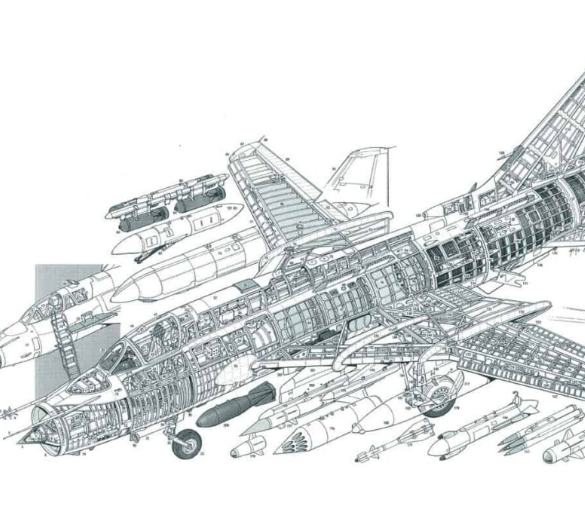

Sukhoi Design Bureau Sukhoi Su-17/22 Fitter
 |
|
| Role | Fighter-bomber |
|---|---|
| National origin | Soviet Union |
| Manufacturer | Sukhoi |
| First flight | 2 August 1966 |
| Introduction | 1970 |
| Status | In limited service |
| Primary users | Soviet Air Forces (historical) Syrian Air Force Polish Air Force Vietnam People's Air Force |
| Produced | 1969–1990 |
| Number built | 2,867 |
| Developed from | Sukhoi Su-7 |
.
History Sukhoi Design Bureau
Сухой Су-17/22
Su-17/22 Fitter
The Sukhoi Su-17 (izdeliye S-32; NATO reporting name: Fitter) is a variable-sweep wing fighter-bomber developed for the Soviet military. Developed from the Sukhoi Su-7, the Su-17 was the first variable-sweep wing aircraft to enter Soviet service and featured updated avionics. The aircraft also has variants which were designed to be exported to non-Soviet states such as the Sukhoi Su-22 and the less popular Su-20.
It was produced from 1967–1990. The Su-17/20/22 series had a long career and has been operated by many air forces, including those of the Russian Federation, former Soviet republics, former Warsaw Pact, countries in the Arab world, Angola, and Peru. The Russian Federation retired its fleet in 1998.
Development

Shortly after the Su-7 fighter-bomber was put into service, the Sukhoi Design Bureau was ordered to develop a modernization program. The program would be aimed primarily at updating on-board avionics and takeoff/landing characteristics. The concept of variable-geometry wings - something gaining wider attention at that time - was adopted. The program was to be led by Sukhoi's head designer, Nikolay Zyrin.
0
KmCeiling
0
KmCombat RANGE
0
MachAircraft Speed
0
Max Crew
Photo Gallery
Sukhoi Design Bureau
Сухой Су-17/22
Sukhoi Su-17/22 Fitter

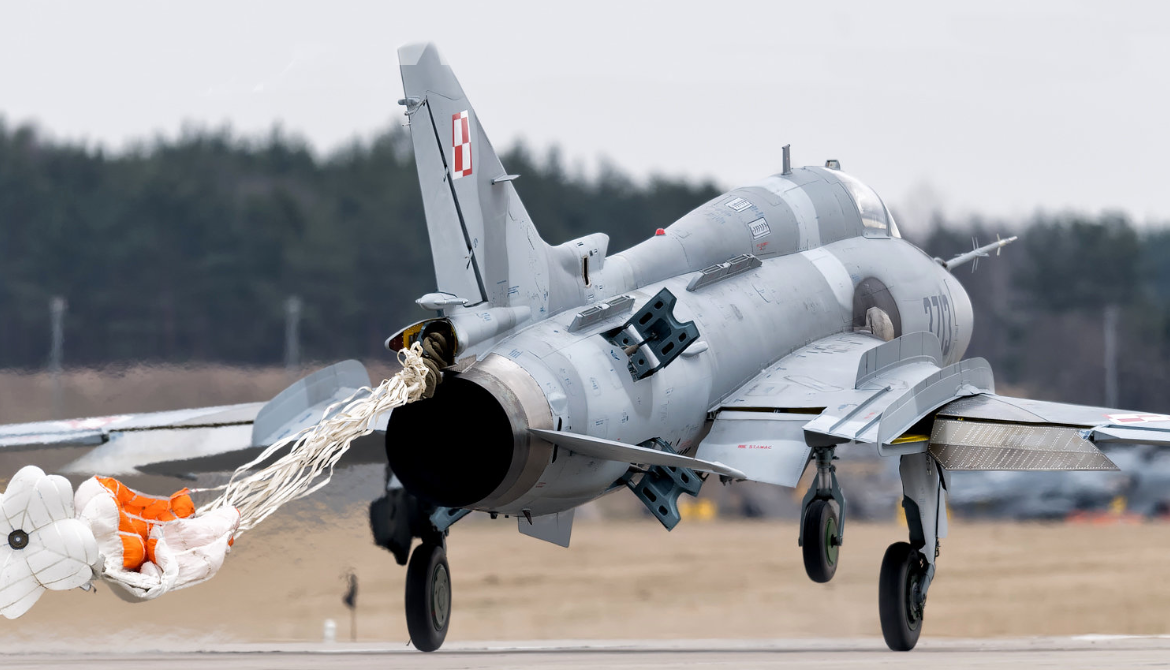



Sukhoi Design Bureau Сухой Су-17/22
Sukhoi Su-17/22 Fitter
General Info
-
-
-
- Crew: 1
- Length: 19.02 m (62 ft 5 in)
- Wingspan: 13.68 m (44 ft 11 in) wings spread
-
-
-
- 10.02 m (33 ft) wings swept
-
-
- Height: 5.12 m (16 ft 10 in)
- Wing area: 38.5 m2 (414 sq ft) wings spread
-
-
-
- 34.5 m2 (371 sq ft) wings swept
-
-
-
-
Powerplant
-
-
-
- Empty weight: 12,160 kg (26,808 lb)
- Gross weight: 16,400 kg
- Max takeoff weight: 19,430 kg
- Fuel capacity: 3,770 kg
- Powerplant: 1 × Lyulka AL-21F-3 afterburning turbojet engine, 76.4 kN (17,200 lbf) thrust dry, 109.8 kN (24,700 lbf) with afterburner
-
-

Performance
-
- Maximum speed: 1,400 km/h (870 mph, 760 kn) / M1.13 at sea level
-
-
-
- 1,860 km/h (1,160 mph; 1,000 kn) at altitude
-
-
- Combat range: 1,150 km (710 mi, 620 nmi) hi-lo-hi attack with 2,000 kg (4,409 lb) warload
- Ferry range: 2,300 km
- Service ceiling: 14,200 m
- g limits: +7
Related development
-
-
Guns:
- 2 × 30 mm Nudelman-Rikhter NR-30 autocannons (80 rounds per gun, 160 rounds total)
- UPK-23 or SPPU-22 gun pods for 2 × Gryazev-Shipunov GSh-23L autocannons
- Hardpoints: 12 hardpoints with a capacity of up to 4,000 kg (8,800 lb) of stores,
-
Guns:
Links to Youtube & Others
The S-52U two-seat combat-trainer, export version of the Su-17UM, with a completely re-designed nose housing the tandem cockpits for student and instructor. Gun pods such as the GSh-23 based UPK-23 and SPPU-22 were utilized by the Su-17, Su-20, and Su-22. The SPPU-22 ground attack variant featured 30 degrees of traverse.

Sukhoi Design Bureau
Sukhoi Su-17/22 Fitter
On 19 August 2003, a Polish Air Force Su-22M4K was accidentally shot down by friendly fire during an exercise by a Polish 2K12 Kub missile battery.

Youtube Link
On 11 August 2009, Yemeni armed forces started Operation Scorched Earth in northern Yemen to fight Houthi rebels.

Read more in Sukhoi Design Bureau
Sukhoi Su-27 Flanker