.
About Display team Baltic Bees
Amazing The Baltic Bees Jet Team "Tukums, Latvia".
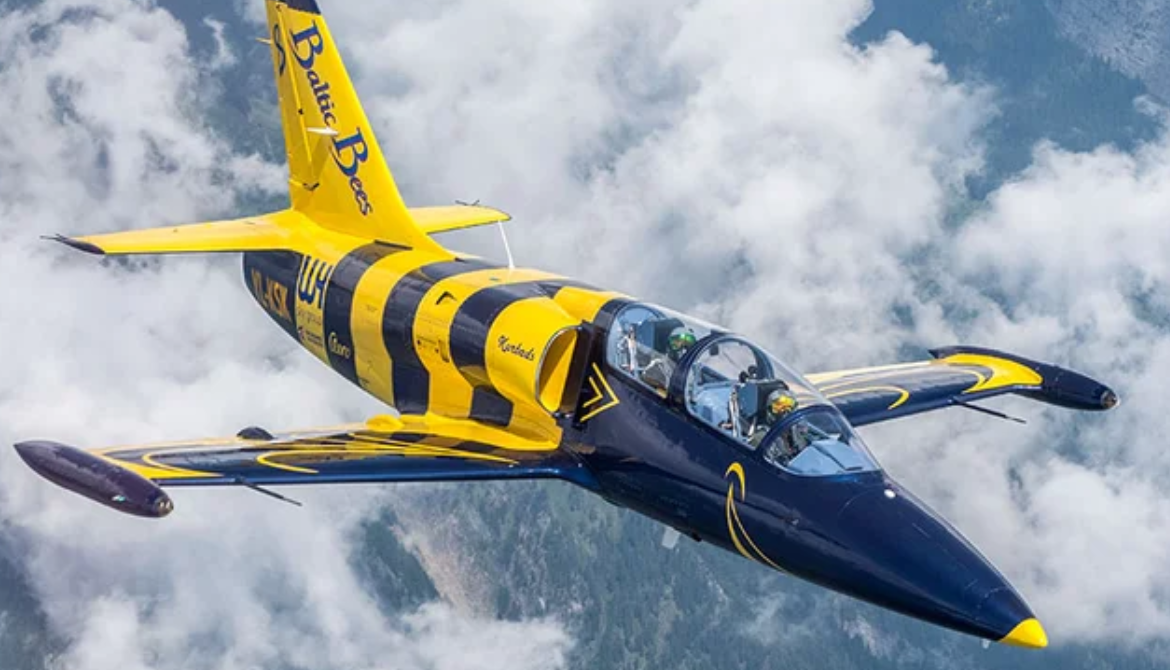
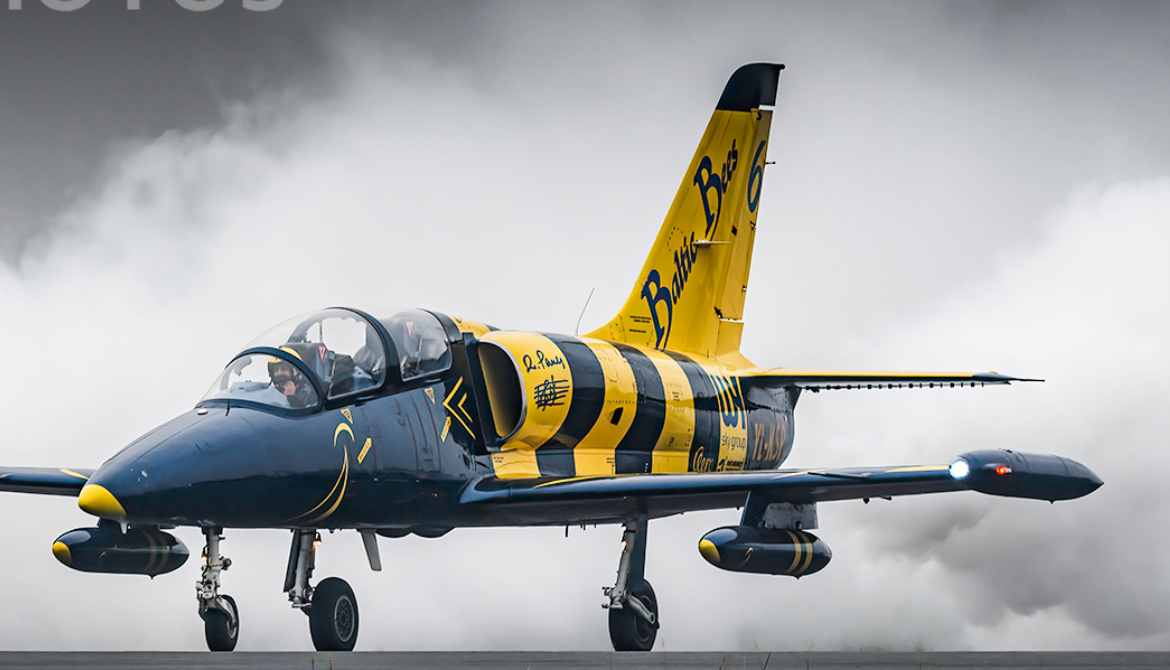
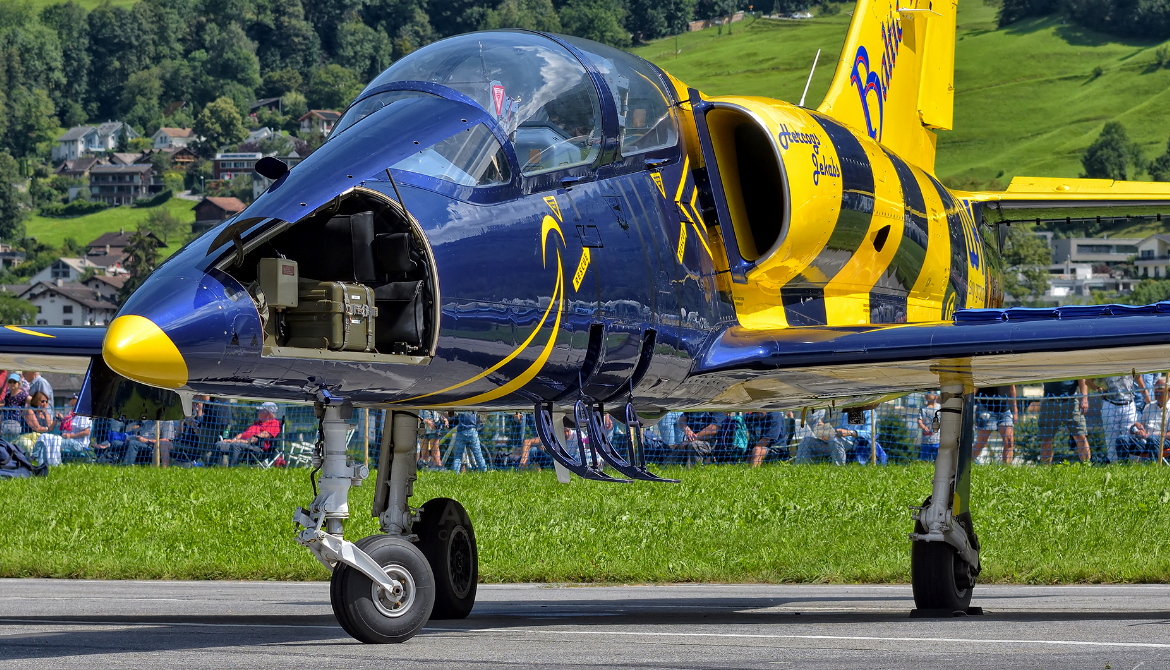
is a civilian aerobatic display team based in Tukums, Latvia, 60 km west of the capital, Riga. It flies six Czech Aero L-39 Albatros jets. The team flies a display lasting around 20 minutes that includes formation flying, opposition passes, solo routines, and synchronized maneuvers..
HeadGing 3
Baltic Bees Wikipedia link
Heading 6
The Baltic Bees Jet Team is a civilian aerobatic display team based in Tukums, Latvia, 60 km west of the capital, Riga. It flies six Czech Aero L-39 Albatros jets.
Amazing Team Baltic Bees
The Baltic Bees Jet Team is a civilian aerobatic display team based in Tukums, Latvia, 60 km west of the capital, Riga. It flies six Czech Aero L-39 Albatros jets. The team flies a display lasting around 20 minutes that includes formation flying, opposition passes, solo routines, and synchronized maneuvers..
Team Baltic Bees "Private Latvian "
Baltic Bees Jet Team was formed in 2008. First flights were flown in a two-ship formation. In the following years two more jets were added to the team and a full aerobatic display program was created. From the very beginning, flight instructor and creator of the display program is the well known skilled aerobatic pilot Valery Sobolev. The program was developed in a very short period of time and Baltic Bees Jet Team gained reputation as a professional civilian aerobatic display team. Homebase of the team is Jūrmala Airport (EVJA), 60 km west of Riga, Latvia.
Created in 2008
|
|||||||||||||||

|
|
||
|
||
|---|---|---|
Team Baltic Bees "Latvia"
Aerobatic Team baltic Bees.
Aerobatic Team Baltic Bees.)
Display consists of complex and tricky vertical maneuvers in a six L-39C aircraft formation and exceptional individual performance with unique and top difficulty concept.
Team Aerolet L-39C Albatros history.
History Aero L-39C Albatros
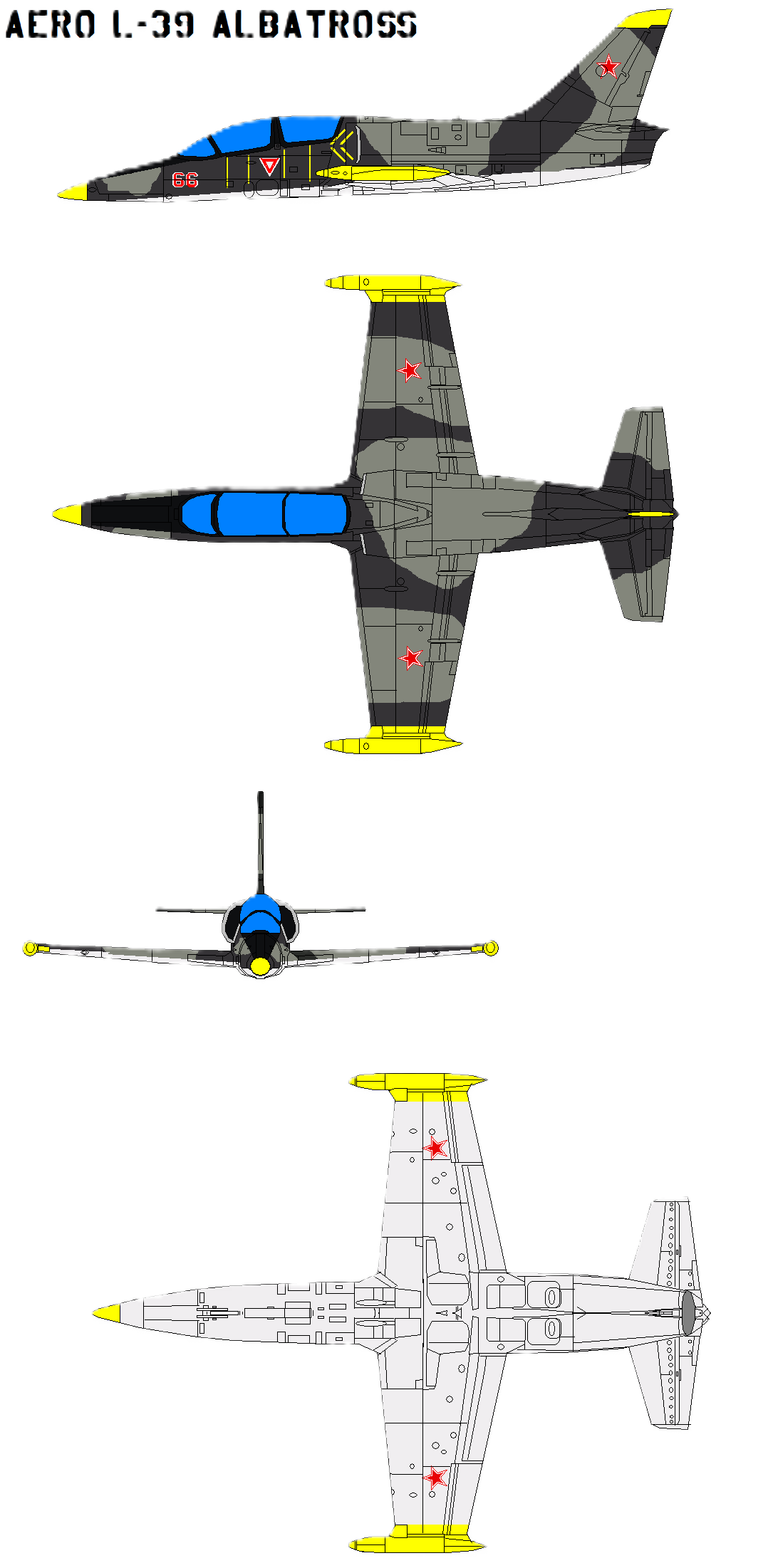
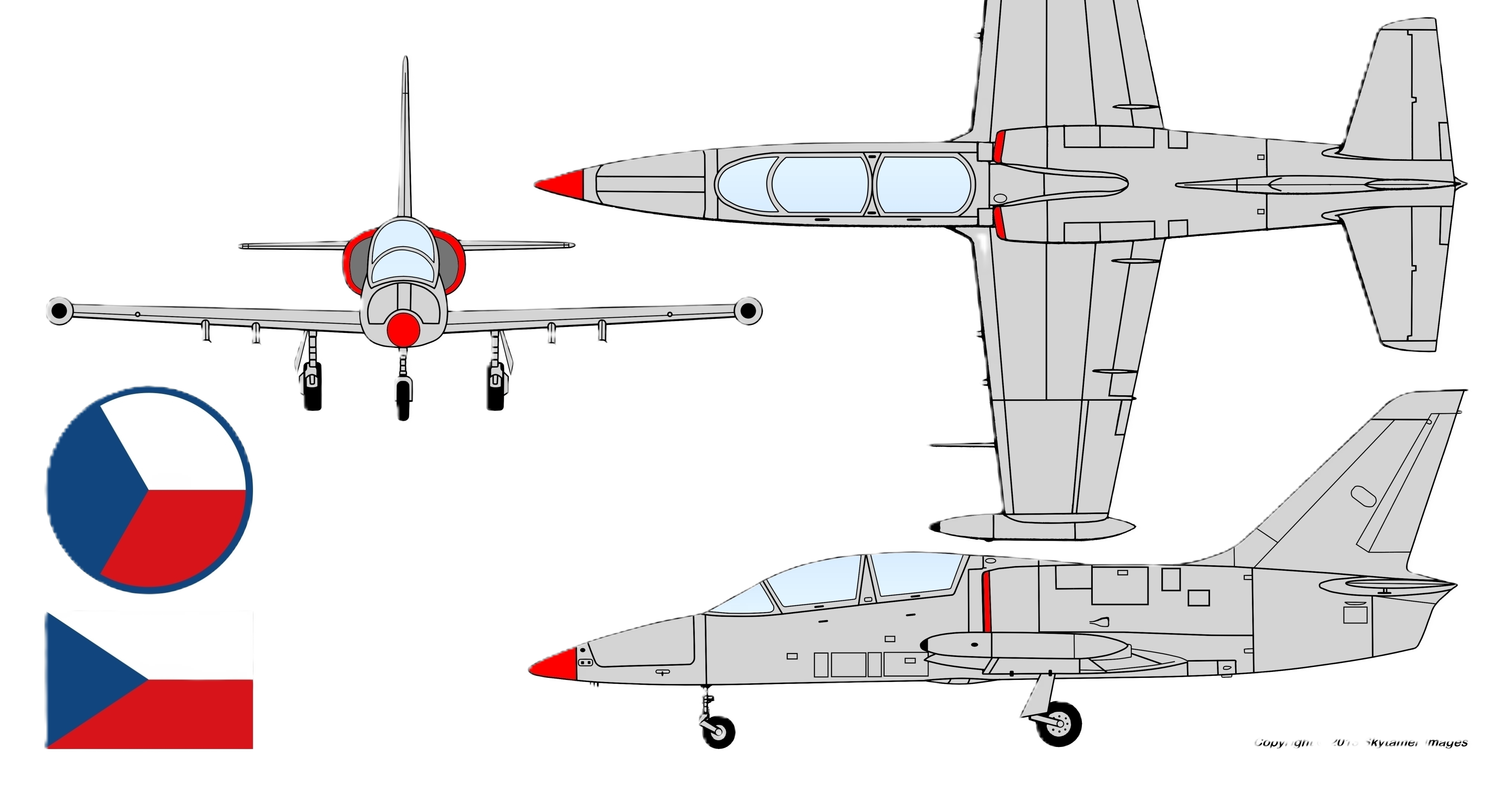
The Aero L-39 Albatros is a high-performance jet trainer designed and produced in Czechoslovakia by Aero Vodochody. It is the most widely used jet trainer in the world; in addition to performing basic and advanced pilot training, it has also flown combat missions in a light-attack role. Unusually, the aircraft never received a NATO reporting name.
The L-39 Albatros was designed to be a cost-effective jet-powered trainer aircraft, which is also capable of performing ground attack missions. For operational flexibility, simplicity, and affordability, the majority of onboard systems have been simplified to avoid incurring high levels of maintenance, as well as to minimize damage caused by mishandling when flown by inexperienced air crew. It could be readily flown from austere airstrips such as frozen lakebeds, enabled through the rugged design of the landing gear and favourable low landing speeds
Photo Gallery
Team Baltic Bees "Tukums, Latvia"
Latvia AF aircraft
The Latvian Air Force was first founded during the Latvian War of Independence. On 7 June 1919 an Air Group was formed, commanded by Lt. Alfrēds Valleika.
Latvian Air Force (Latvian: Latvijas Gaisa spēki) is the aviation branch of the National Armed Forces. The first air force (AF) units were established 1992. It has no air combat capability, thus the defense of Latvian air space is maintained by NATO, with rotating detachments of four aircraft to Lithuania at four-monthly intervals (see Baltic Air Policing).
Aircraft In service
Aircraft Origin Type Variant In service Notes
Transport: Antonov An-2 Soviet Union transport 3 1 on conservation
Helicopters: UH-60 Black Hawk United States utility UH-60M 3 1 on order
Trainer: AircraftPelegrin Tarragon Latvia basic trainer 2 also used for reconnaissance[
Aero Vidichody Logo
Aero Vodochody (commonly referred to as Aero) is a Czech aircraft company.
Aero L-39 Albatros
The Aero L-39 Albatros is a high-performance jet trainer, by Aero Vodochody.
Pelegrin Tarragon
The Tarragon is a Latvian ultralight aircraft that is produced by Pelegrin LTD since 2012.


Aero Vodochody
Aero L-39 Albatros
General Info
-
-

General information Type Military trainer aircraft
Light ground-attack aircraftNational origin Czechoslovakia Manufacturer Aero Vodochody Designer Jan Vlček Status In service Number built 2,900 History Introduction date 28 March 1972 with the First flight 4 November 1968 Developed from Aero L-29 Delfín Developed into Aero L-59 Super Albatros
Aero L-159 Alca
Aero L-39 Skyfox
-
.jpg)

Performance
- Maximum speed: 750 km/h (470 mph, 400 kn) at 5,000 m (16,404 ft)
- Never exceed speed: 980 km/h (610 mph, 530 kn) / M0.8
- Range: 1,100 km (680 mi, 590 nmi)(internal fuel)
- Ferry range: 1,750 km (1,090 mi, 940 nmi) (internal and external fuel)
- Endurance: two hours and 30 minutes (internal fuel), three hours and 50 minutes (internal and external fuel)
- Service ceiling: 11,000 m (36,000 ft)
- Rate of climb: 21 m/s (4,100 ft/min)
- Time to altitude: 5,000 m (16,404 ft) in 5 minutes
Armament
- Up to 2,425 pounds of weapons on four underwing hardpoints, including bombs, 57- or 130-mm rocket pods, gun pods, a five-camera reconnaissance pod, or two fuel drop-tanks. Centerline point carried a pod-mounted 23-mm twin-barrel GSh-23 cannon with 180 rounds
.png)
.png)
.png)