.

About A flying boat is a seaplane with a hull, allowing it to land on water.


Amazing Flying boat iA flying boat is a fascinating blend of aviation and maritime engineering—a seaplane designed with a hull that allows it to float and take off from water. Unlike conventional planes with pontoons, flying boats rely on their boat-like fuselage for buoyancy.

These versatile aircraft were popular in the early-to-mid 20th century, serving in roles from luxury transatlantic travel to military reconnaissance.

Models like the famous Boeing 314 Clipper transported passengers across oceans in style, while others, like the PBY Catalina, played a vital role in World War II for patrol, rescue, and transport missions.
Top

Heading 3

Boeing Int. Wikipedia link

Modern aviation has largely replaced flying boats with amphibious aircraft and conventional airliners, but they still capture the imagination of aviation enthusiasts. Some companies continue developing futuristic flying boat concepts, envisioning eco-friendly and innovative designs for travel over water. 

Amazing flying boat is a seaplane with a hull, allowing it to land on water.


A flying boat is a type of fixed-winged seaplane with a hull, allowing it to land on water. It differs from a floatplane in having a fuselage that is purpose-designed for floatation, while floatplanes rely on fuselage-mounted floats for buoyancy.

History

The quest for an aircraft that could takeoff or land from water began with float planes, which are not flying boats. The Frenchman Alphonse Pénaud filed the first patent for a flying machine with a boat hull and retractable landing gear in 1876 but failed to build one. Austrian Wilhelm Kress is credited by some with attempting to build the first successful seaplane Drachenflieger, a floatplane, in 1898, although its two 30 hp Daimler engines were inadequate for take-off and it later sank when one of its two floats collapsed. On 6 June 1905, Gabriel Voisin took off and landed on the River Seine with a towed kite glider on floats. The first of his unpowered flights was 150 yards. He later built a powered floatplane in partnership with Louis Blériot, but the machine was unsuccessful.

First World War

Curtiss and Porte's plans were interrupted by the outbreak of the First World War. Porte sailed for England on 4 August 1914 and rejoined the Navy, as a member of the Royal Naval Air Service. Appointed Squadron Commander of Royal Navy Air Station Hendon, he soon convinced the Admiralty of the potential of flying boats and was put in charge of the naval air station at Felixstowe in 1915. Porte persuaded the Admiralty to commandeer (and later, purchase) the America and a sister craft from Curtiss. This was followed by an order for 12 more similar aircraft, one Model H-2 and the remaining as Model H-4's. Four examples of the latter were assembled in the UK by Saunders. All of these were similar to the design of the America and, indeed, were all referred to as Americas in Royal Navy service. 

A flying boat is a seaplane with a hull, allowing it to land on water.

Beriev Flying Boats:
Beriev A-40 Albatros / Beriev A90 EkranoplaneBeriev Be - 6 Madge /
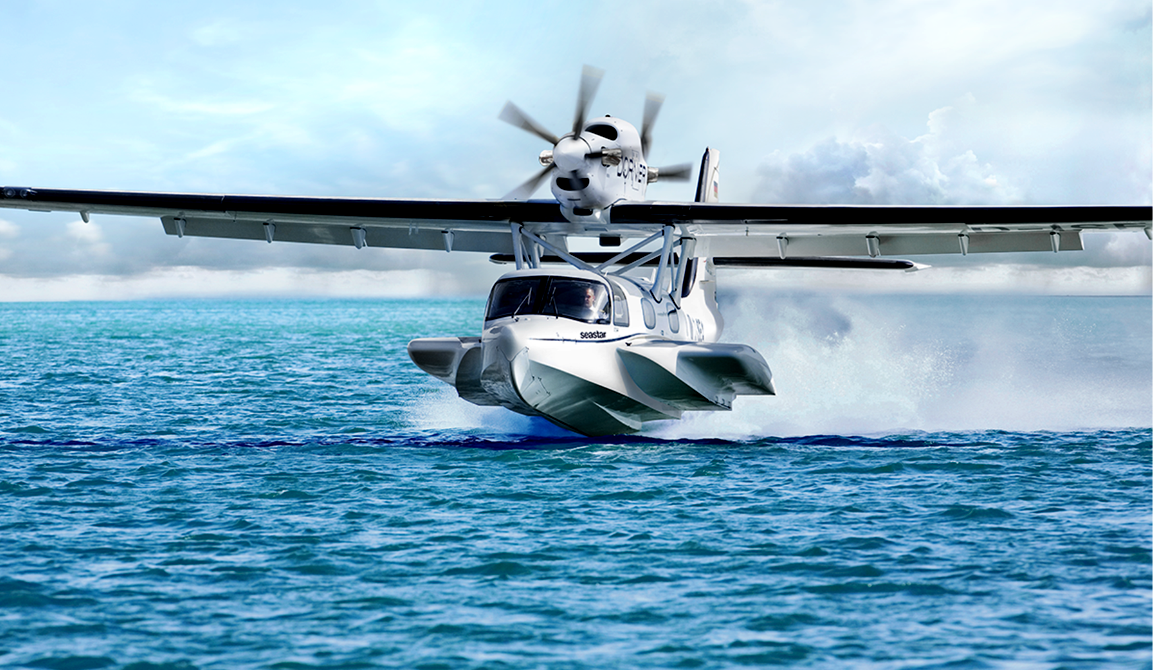
Beriev Be 12 Chaika / Beriev -103 Bekas  / Dornier Seastar / Beriev Be-200 Altair / L-65 Seabear
Blohm & Voss
Blohm&Voss BV222 / Blohm&Voss BV238
Cantieri Aeronautici e Navali Triestini
Cant Z.501 Gabbiano 
Curtiss Flying Boats
Curtiss NC4 Flying Boat
Grumman Flying Boats:

Grumman J2F Duck / Grumman G-21 Goose some modified as Super or Turbo Goose - Grumman G-44 Widgeon / Grumman G-73 Mallard / Grumman HU-16 Albatross / Grumman Columbia XJL / Loening C-2  / Grumman J2F Duck / Grumman G-21 Goose some modified as Super or
Turbo Goose - Grumman G-44 Widgeon / Grumman G-73 Mallard / Grumman HU-16 Albatross / Grumman Columbia XJL / Loening C-2
Martin Flyig Boats:

Martin PBM-1 Mariner - Martin P5M Marlin - Martin JRM Mars
Consolidated:
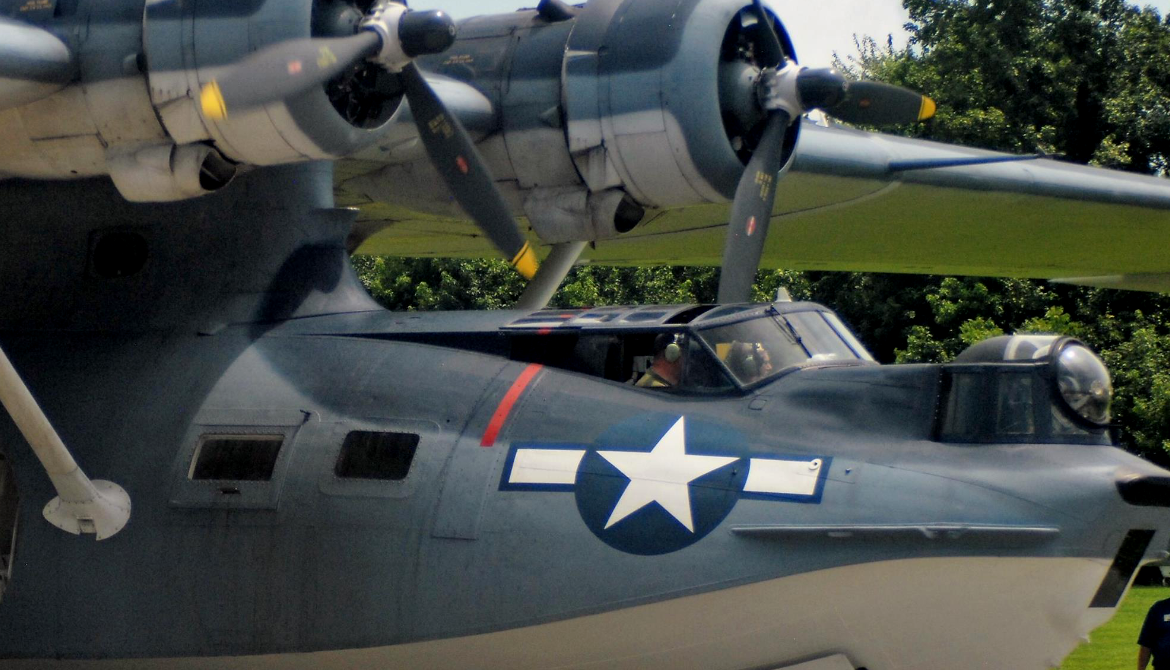
Cosolidated PBY Catalina
Sikorsky:
Sikorsky S-38: eight-seat, two-engine sesquiplane flying boat (US Navy PS) (1928–1933)
Sikorsky RS: transport flying boat (US Navy RS)
Sikorsky S-39: five-seat, single-engine variant of S-38 (1929–1932)
Sikorsky S-40: four-engine, 28-passenger monoplane flying boat (1931)
Sikorsky S-41: twin-engine monoplane flying boat (1931) (USN RS-1)
Sikorsky XP2S: twin-engine patrol flying boat prototype (1932)
Sikorsky XSS: Naval scout flying-boat (1933)
Sikorsky S-42 "Clipper": four-engine flying boat (1934–1935)
Sikorsky XBLR-3: Bomber aircraft (1935-1936)
Sikorsky S-43 "Baby Clipper": twin-engine, amphibious flying boat (1935–1937) (Army OA-1, USN JRS-1); downsized, twin-engine version of S-42
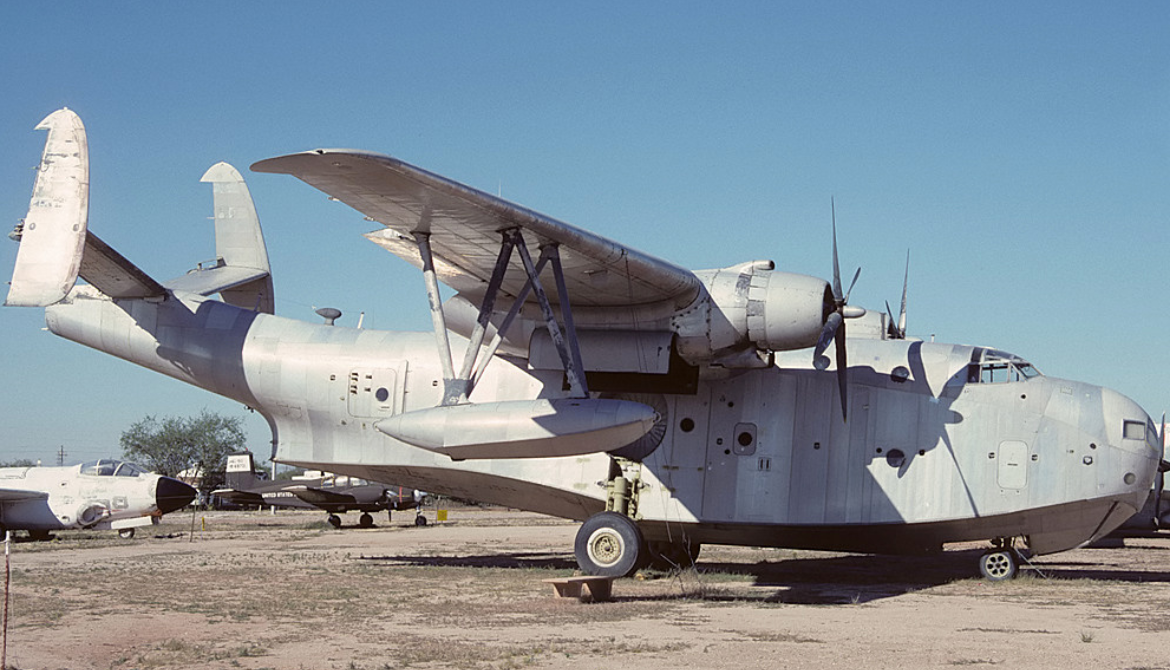
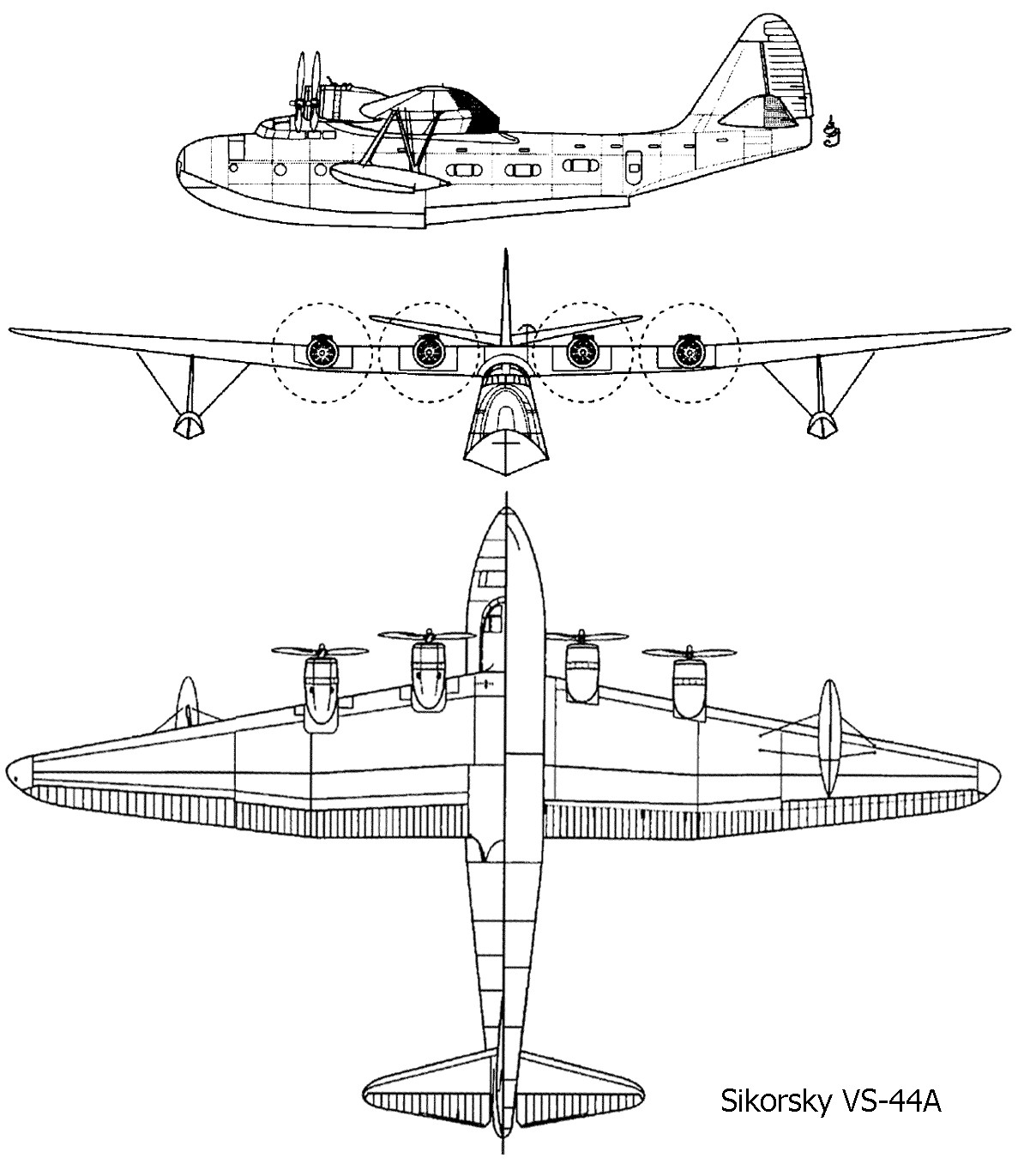
Sikorsky VS-44 "Excalibur": four-engine flying boat (1937)
Short Flying Boats
Short Sunderland
Sikorsky Flying Boats
Sikorsky VS-44 Excambiam
Avic China: 
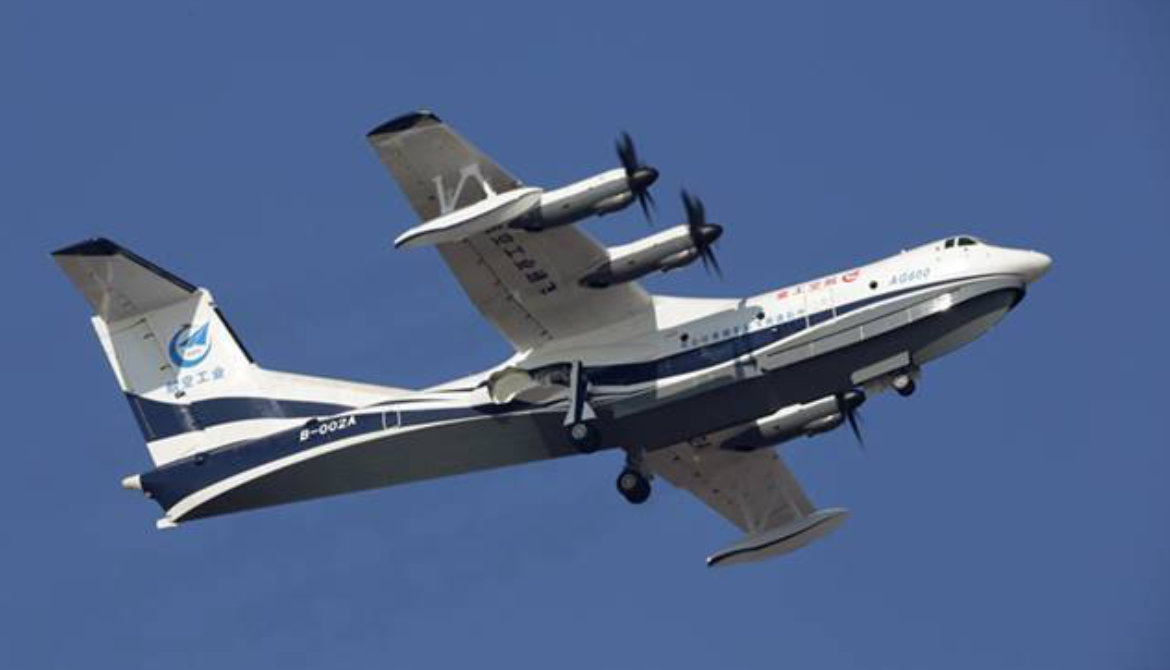
AVIC AG600 Kunlong

.

Famous  Aircraft Boeing International  Aviation.

About A flying boat is a seaplane with a hull, allowing it to land on water.

Learn More

Flying Boats Logo

A flying boat relies on its main hull for buoyancy, while a floatplane  aircraft fuselage

Douglas Dolphin

Douglas Dolphin is an American amphibious flying boat. While only 58 were built,

Curtiss NC4 Nancy

NC-4 is a Curtiss NC flying boat  was the first aircraft to fly across the Atlantic Ocean

Cantz Z.501 Gabbiano

CANT Z.501 Gabbiano (Italian: Gull) was a high-wing central-hull flying boat.

Martin PBM Mariner

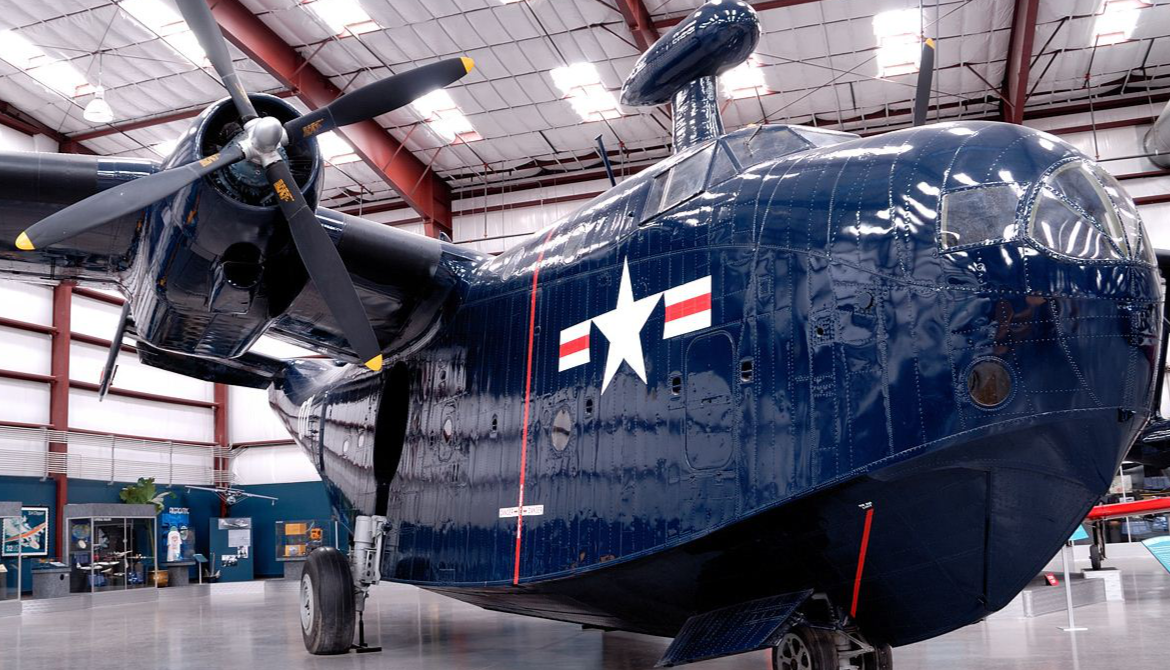
Martin PBM Mariner was a twin-engine American patrol bomber flying boat.

AVIC AG600 Kunlong

AVIC AG600 Kunlong ( kūnlóng; lit. 'Kun Dragon') is a large amphibious aircraft

element
element
Famous aircraft Sikorsky International

Silorsky VS-44 Excalibur

1

General characteristics

Excambian
Role Flying boat
National origin United States
Manufacturer Sikorsky Aircraft
Designer Igor Sikorsky
First flight 13 August 1937
Introduction 10 February 1942
Retired 1968
Primary users American Export Airlines
Tampico Airlines
Avalon Air TransportAntilles Air Boats
Number built 3 (plus 2 XPBS-1 prototypes)
plane
.
2

Specifications

Crew: 4-5 Capacity: 24 to 47 passengers
Length: 79 ft 3 in (24.16 m)
Wingspan: 124 ft 0 in (37.80 m)   Empty weight: 26,407 lb (11,978 kg)Gross weight: 48,540 lb (22,017 kg)Max takeoff weight: 57,500 lb (26,082 kg) Powerplant: 4 × Pratt & Whitney R-1830-S1C3-G 14-cylinder two-row air-cooled radial piston engines, 1,200 hp (890 kW) each  propellersPerformance Maximum

 speed: 210 mph (340 km/h, 180 kn) Cruise speed: 175 mph (282 km/h
Range: 5,790 km, 
Service ceiling:  (5,790 m)
Maximum speed:  482 km/h)
Service ceiling: 20,000 ft (6,100 m)

brand
brand
brand
brand
brand