Lockheed Martin Company
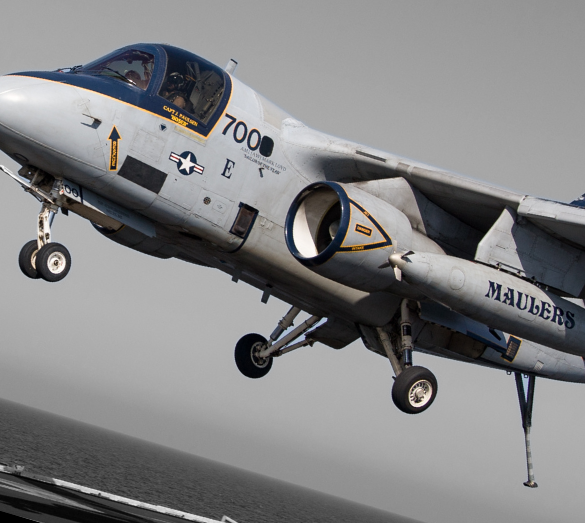
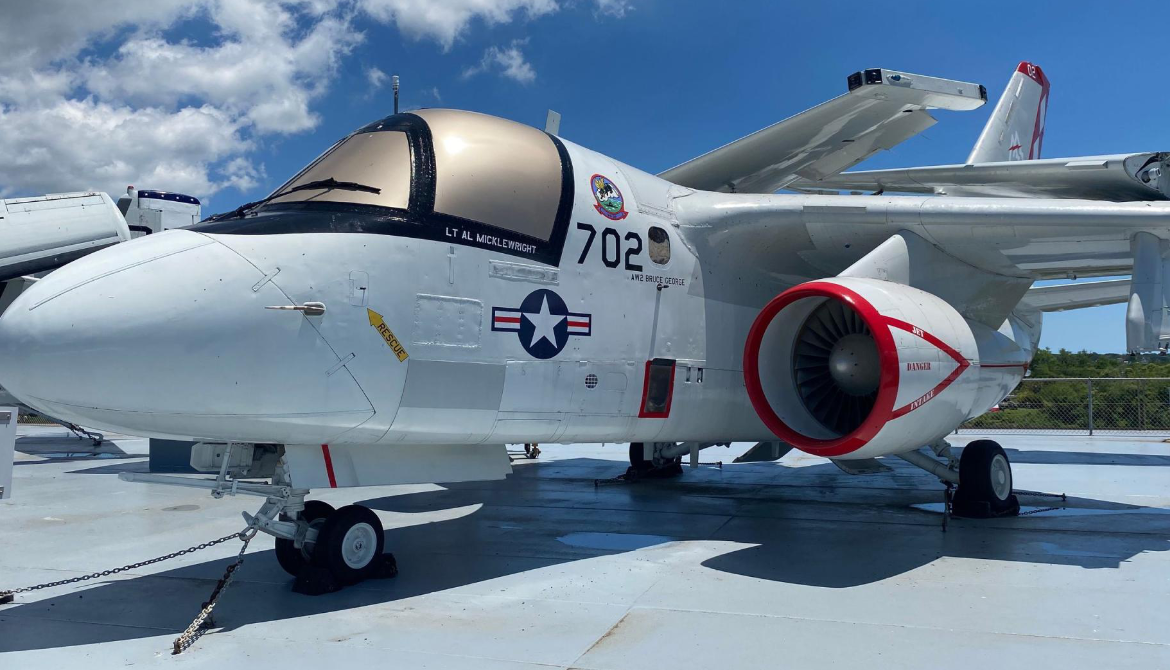
Lockheed S-3A Viking

Lockheed S-3A Viking
|
|
|---|
.jpg) An S-3A Viking from ASW squadron VS-37 Sawbucks |
|
| General information | |
|---|---|
| Type | Carrier-based anti-submarine aircraft |
| National origin | United States |
| Manufacturer | Lockheed Corporation |
| Primary users | United States NavyNASA |
| Number built | 188 |
| History | |
| Manufactured | 1974–1978 |
| Introduction date | 20 February 1974 |
| First flight | 21 January 1972 |
| Retired | 2016 (Navy)2021 (NASA) |
.
History Lockheed Martin Company
Lockheed S-3A Viking
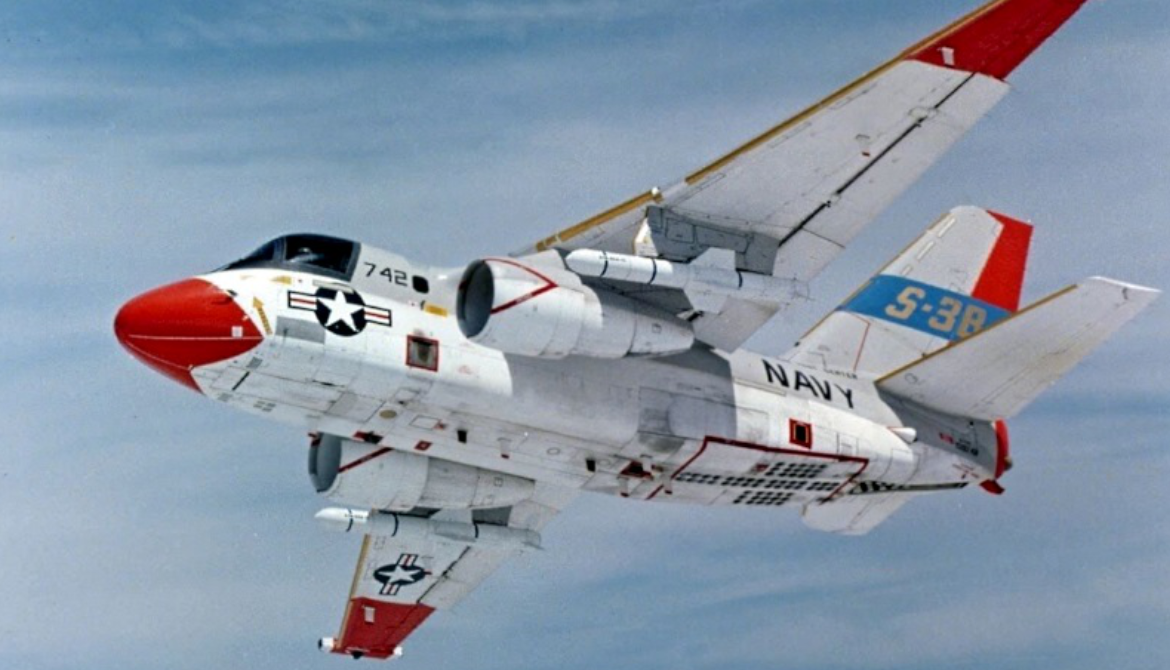
The Lockheed S-3 Viking is a four-crew, twin-engine turbofan-powered jet aircraft designed and produced by the American aerospace manufacturer Lockheed Corporation. Because of its characteristic sound, it was nicknamed the "War Hoover" after the vacuum cleaner brand.
The S-3 was developed in response to the VSX program conducted by the U.S. Navy (USN) to procure a successor anti-submarine warfare (ASW) aircraft to the Grumman S-2 Tracker. It was designed, with assistance from Ling-Temco-Vought (LTV), to be a carrier-based, subsonic, all-weather, long-range, multi-mission aircraft.
Design
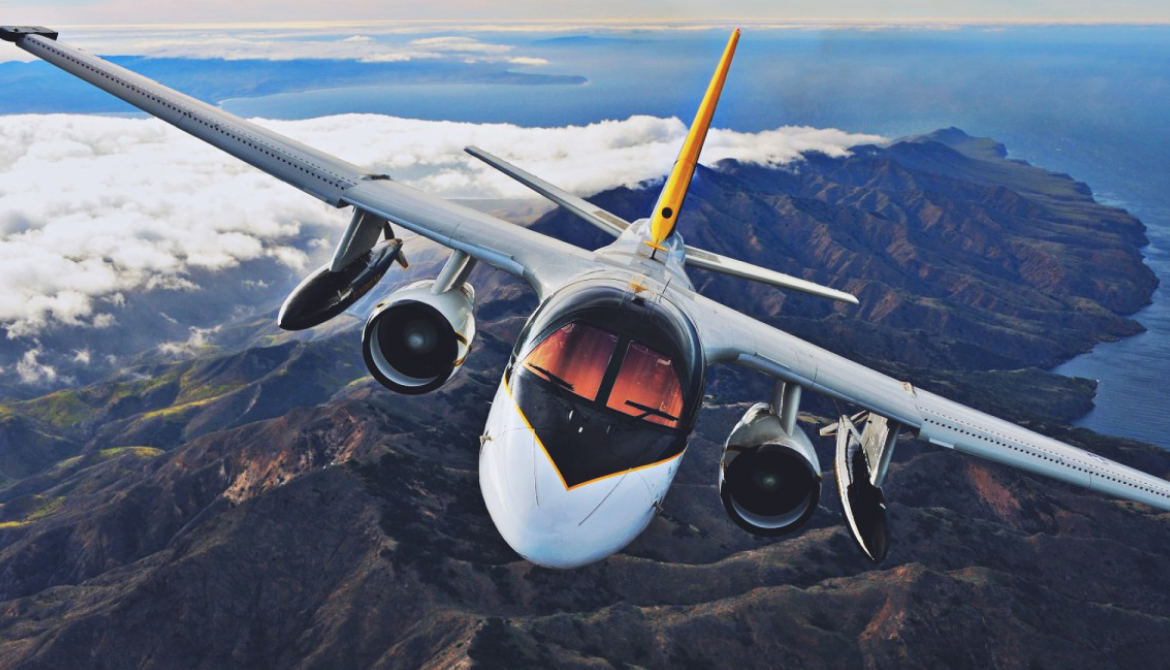
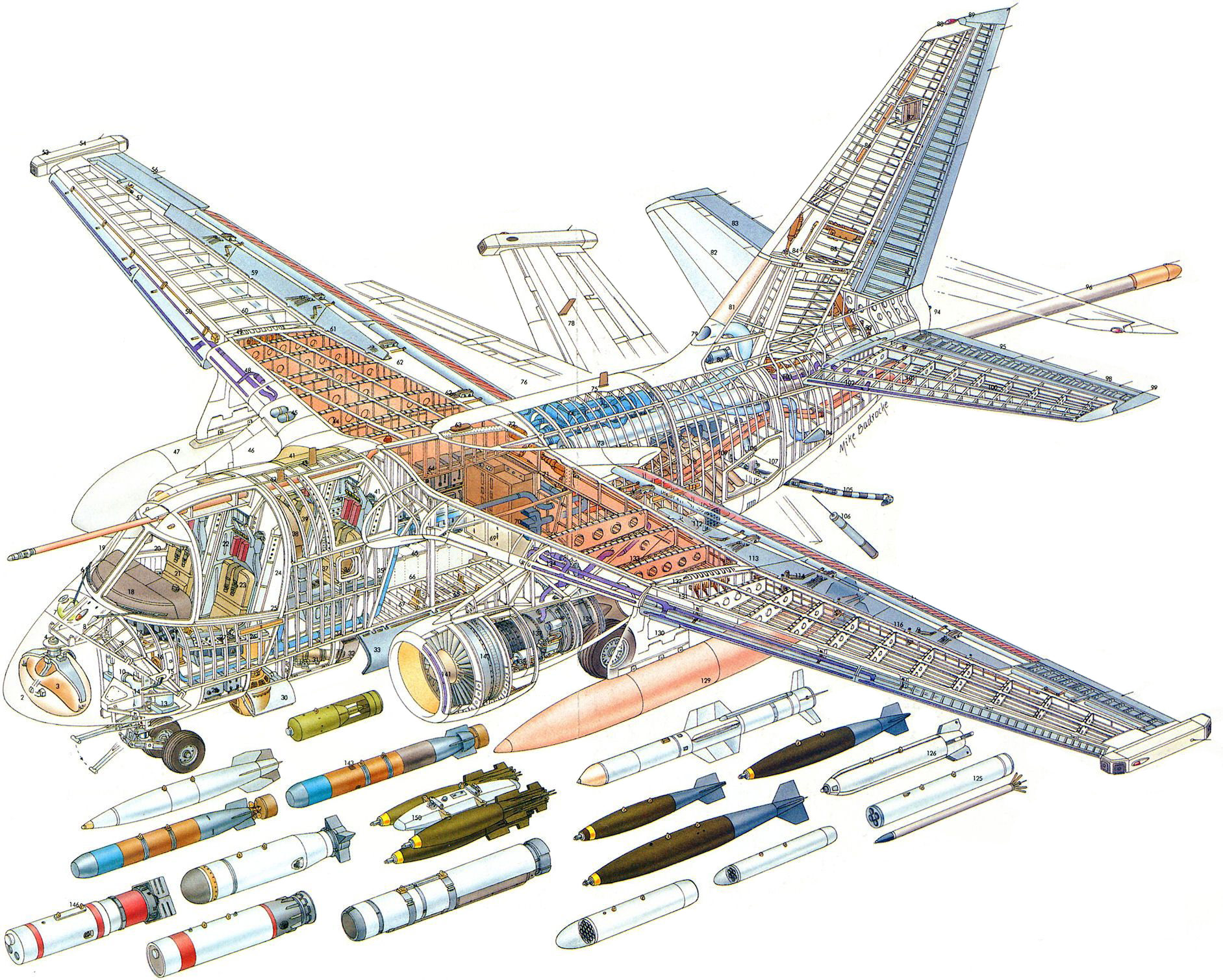
The Lockheed S-3 Viking is a conventional monoplane with a cantilever shoulder wing, very slightly swept with a leading edge angle of 15° and an almost straight trailing edge. Its twin GE TF-34 high-bypass turbofan engines mounted in nacelles under the wings provide excellent fuel efficiency, providing the Viking with the required long range and endurance, while also maintaining relatively docile engine-out characteristics.
.jpg)
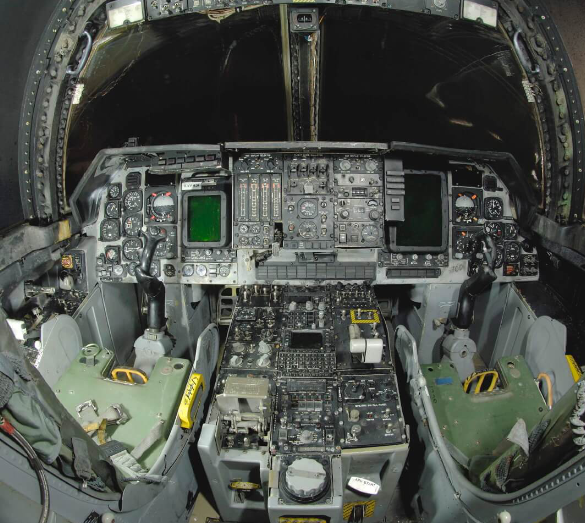
The aircraft can seat four crew members (three officers and one enlisted) with pilot and copilot/tactical coordinator (COTAC) in the front of the cockpit and the tactical coordinator (TACCO) and sensor operator (SENSO) in the back. Entry is via a hatch/ladder folding down out of the lower starboard side of the fuselage behind the cockpit, in between the rear and front seats on the starboard side. When the aircraft's anti-submarine warfare (ASW) role ended in the late 1990s, the enlisted SENSOs were removed from the crew. In tanker crew configuration, the S-3B typically flew with a pilot and co-pilot/COTAC.[] The wing is fitted with leading edge and Fowler flaps. Spoilers are fitted to both the upper and the lower surfaces of the wings. All control surfaces are actuated by dual hydraulically boosted irreversible systems. In the event of dual hydraulic failures, an Emergency Flight Control System (EFCS) permits manual control with greatly increased stick forces and reduced control authority
0
KmCeiling
0
KmCombat Range
0
MachAircraft Speed
0
Max Crew
Photo Gallery
Lockheed/Martin Aircraft Company
Lockheed S-3A Viking

Lockheed/Martin Aircraft Company
Lockheed S-3A Viking
General characteristics
-
- Crew: 4 (pilot, co-pilot, TACCO, sensor operator)
- Length: 53 ft 4 in (16.26 m)
- Wingspan: 68 ft 8 in (20.93 m)
- Width: 29 ft 6 in (8.99 m) folded
- Height: 22 ft 9 in (6.93 m) *
Height tail folded: 15 ft 3 in (5 m) - Wing area: 598 sq ft (55.6 m2)
Powerplant
-
- Empty weight: (12,057 kg)
- Gross weight: (17,324 kg)
- Max takeoff weight: (23,831 kg)
- Fuel capacity: * Internal fuel capacity: 1,933 US gal (1,610 imp gal; 7,320 L) of JP-5 fuel
- External fuel capacity: 2 × 300 US gal (250 imp gal; 1,100 L) drop tanks
- Powerplant: 2 × General Electric TF34-GE-2 turbofan engines, 9,275 lbf (41.26 kN) thrust each
Specifications
-
- Maximum speed: 795 km/h) at sea level
- Maximum speed: Mach 0.79
- Cruise speed: (400 mph, 650 km/h)
- Stall speed: (112 mph, 180 km/h)
- Range: 2,765 nmi (3,182 mi, 5,121 km)
- Combat range: 460.5 nmi (529.9 mi, 852.8 km)
- Ferry range: 3,368 nmi (3,876 mi, 6,238 km)
- Service ceiling: 40,900 ft (12,500 m)
Armament
- Up to 4,900 pounds (2,200 kg) on 4 internal and 2 external hardpoints, including:
- 10 × 500 pounds (230 kg) Mark 82 bombs
- 2 × 1,000 pounds (450 kg) Mark 83 bombs
- 2 × 2,000 pounds (910 kg) Mark 84 bombs
- 6 × CBU-100 cluster bombs
- 2 × Mark 50 torpedoes
-
Links to Youtube & Others
During April 2014, Lockheed Martin announced that they would offer refurbished and remanufactured S-3s, dubbed the C-3, as a replacement for the Northrop Grumman C-2A Greyhound for carrier onboard delivery. The requirement for 35 aircraft would be met from the 91 S-3s currently in storage

Lockheed/Martin Lockheed S-3A Viking
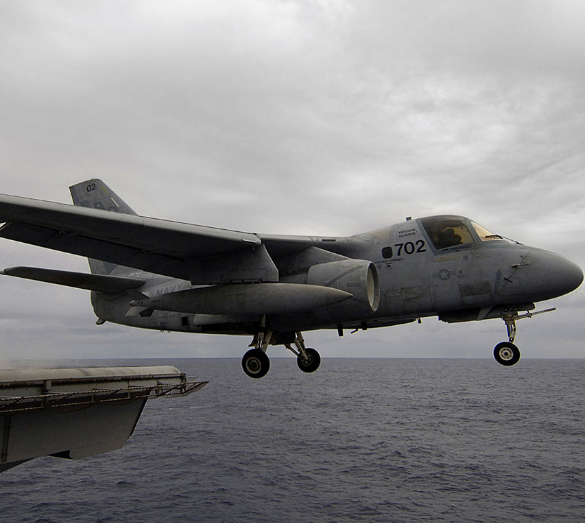
Designed as a carrier-based, subsonic, all-weather, long-range, electronic reconnaissance (ELINT) aircraft.
Youtube Link
Conversion of six aircraft for overland surveillance and Elint missions. May have dropped ground sensors in the Bosnian War.
Read more in Lockheed/Martin Aerospace
.


.svg.png)