
Hongdu JL-8 (Nanchang JL-8), Karakorum-8
First flight 21 November 1990
Produced 1990-present
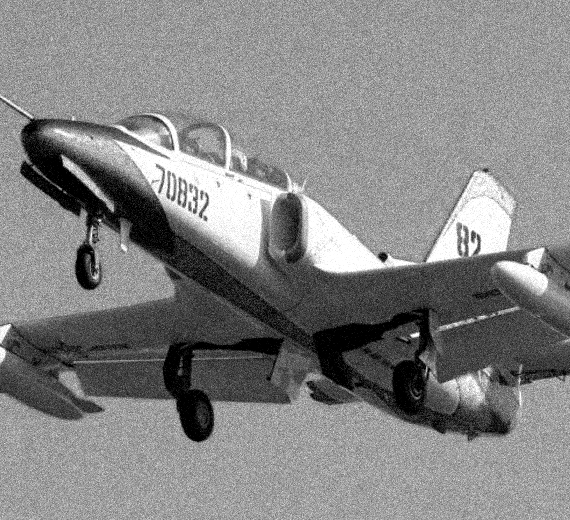

Hongdu JL-8 (Nanchang JL-8), Karakorum-8
.jpg) |
|
| K-8 of the Bangladesh Air Force | |
| Role | Jet trainerLight attack |
|---|---|
| Manufacturer | Hongdu Aviation Industry Corporation Pakistan Aeronautical Complex |
| First flight | 21 November 1990 |
| Introduction | 21 September 1994 |
| Status | Operational |
| Primary users | PLA Air Force Pakistan Air Force Egyptian Air Force Myanmar Air Force |
| Produced | 1990-present |
| Number built | 500+ |
|
|
|---|
.
History Hongdu Aviation Industry Group Ltd. (HAIG)
Hongdu JL-8 (Nanchang JL-8), Karakorum-8
First flight 21 November 1990
Produced 1990-present

.
.
Development

The JL-8 trainer was proposed as a joint cooperation effort between the governments of Pakistan and the People's Republic of China in 1986. The name was changed on the suggestion of Pakistan's President Zia ul Haq to Karakoram-8 to represent the friendship between the two countries. Work on the design started in 1987 at Nanchang Aircraft Manufacturing Company (NAMC) at Nanchang, Jiangshi Province in South Central China. The Chinese chief designer of the aircraft was Shi Ping (石屏), heading a team of over 100 Chinese Engineers, while Air Cdr Muhammad Younas Tbt (M), SI(M) was the chief designer from the Pakistani side leading a team of over 20 Pakistani engineers.
Design

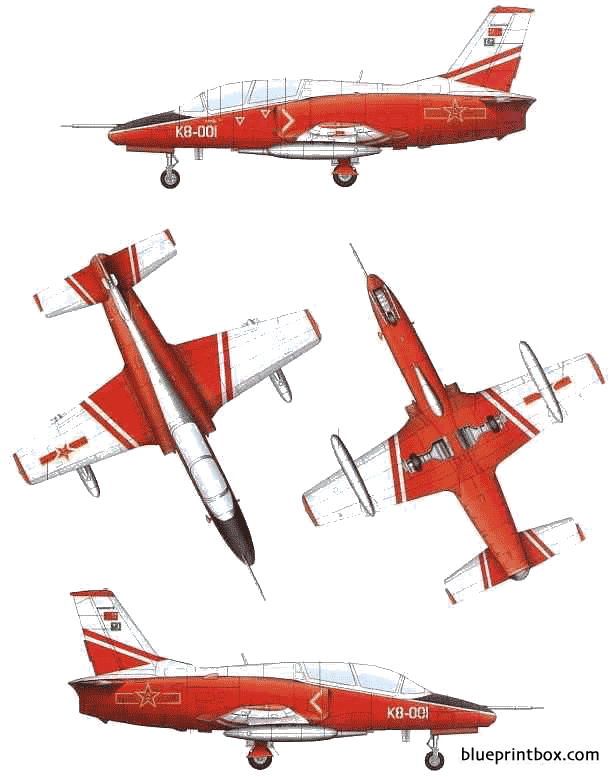
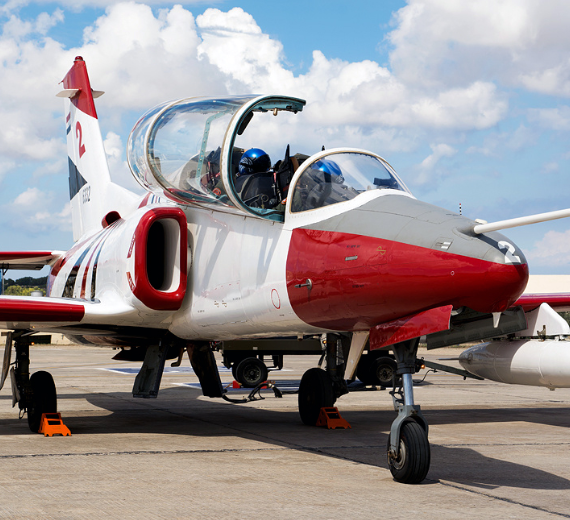
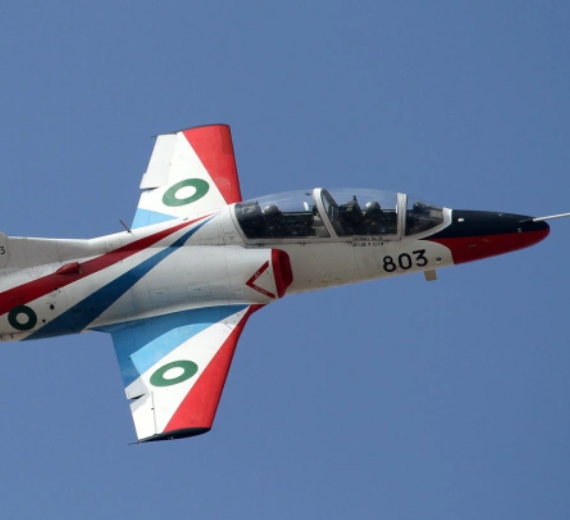
The JL-8 / K-8 has a multi-role capability for training and, with little modification, can also be used for airfield defense. The aircraft is supposed to be as cost-effective as possible, with a short turn-around time and low maintenance requirements. The JL-8 for the domestic Chinese market and its export variants, K-8E and K-8P, have different powerplants and avionics
0
KmCeiling
0
KmMAX RANGE
0
Km/hAircraft Speed
0
Max Crew
Photo Gallery
Hongdu Aviation Industry Group Ltd. (HAIG)
Hongdu JL-8 (Nanchang JL-8), Karakorum-8
First flight 21 November 1990
Produced 1990-present
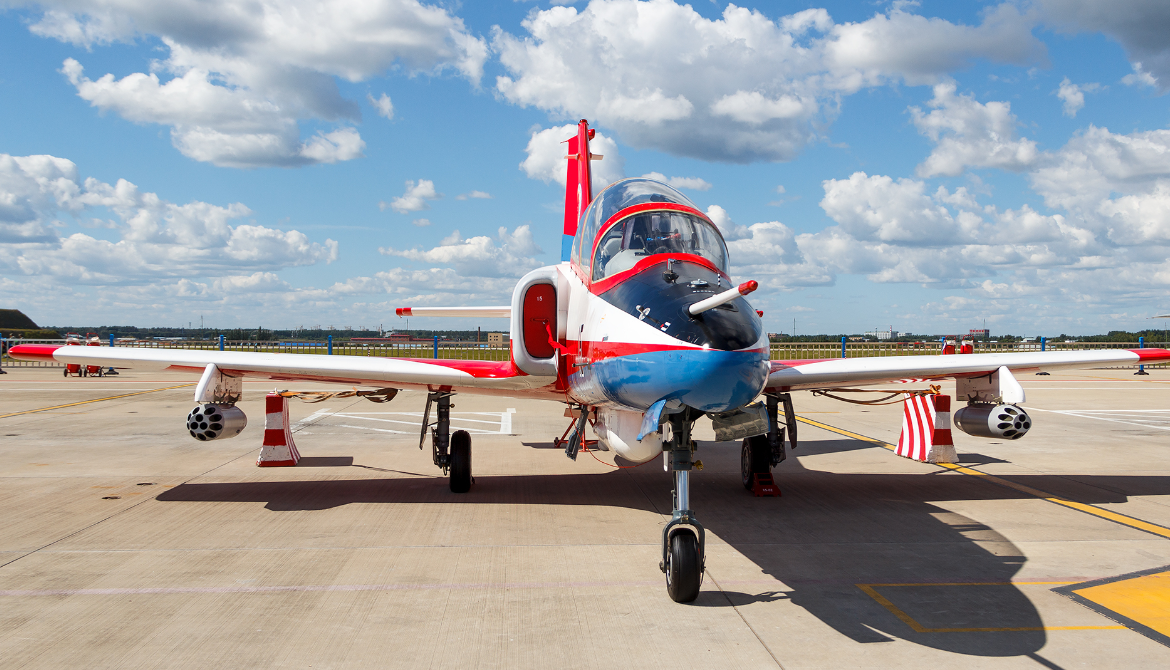
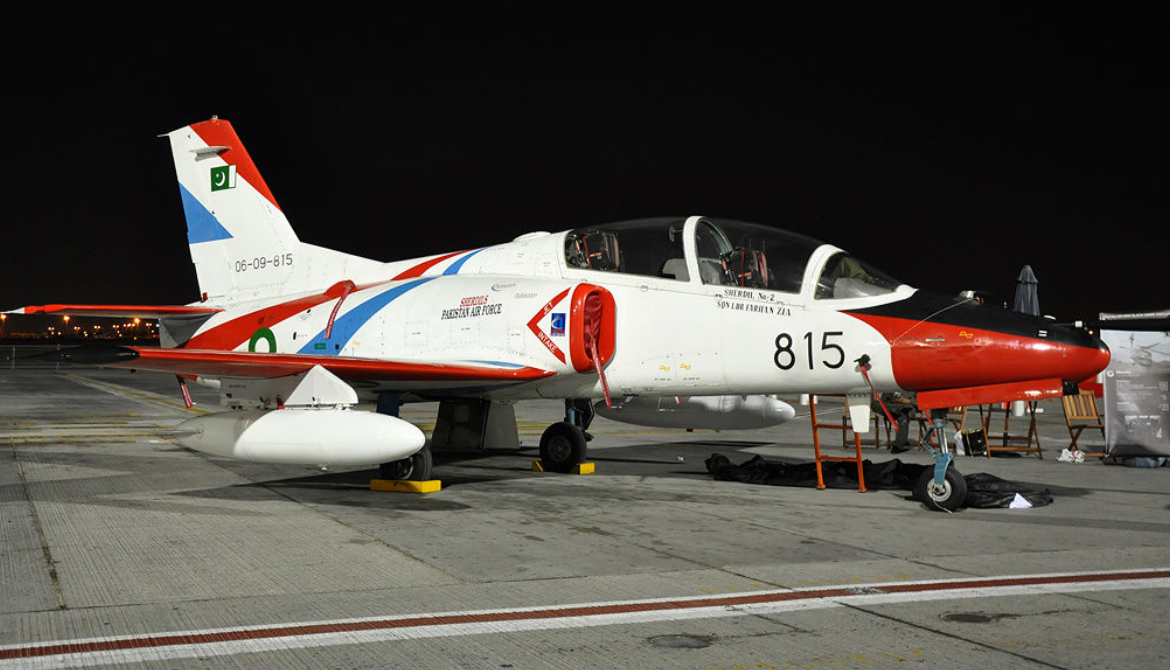
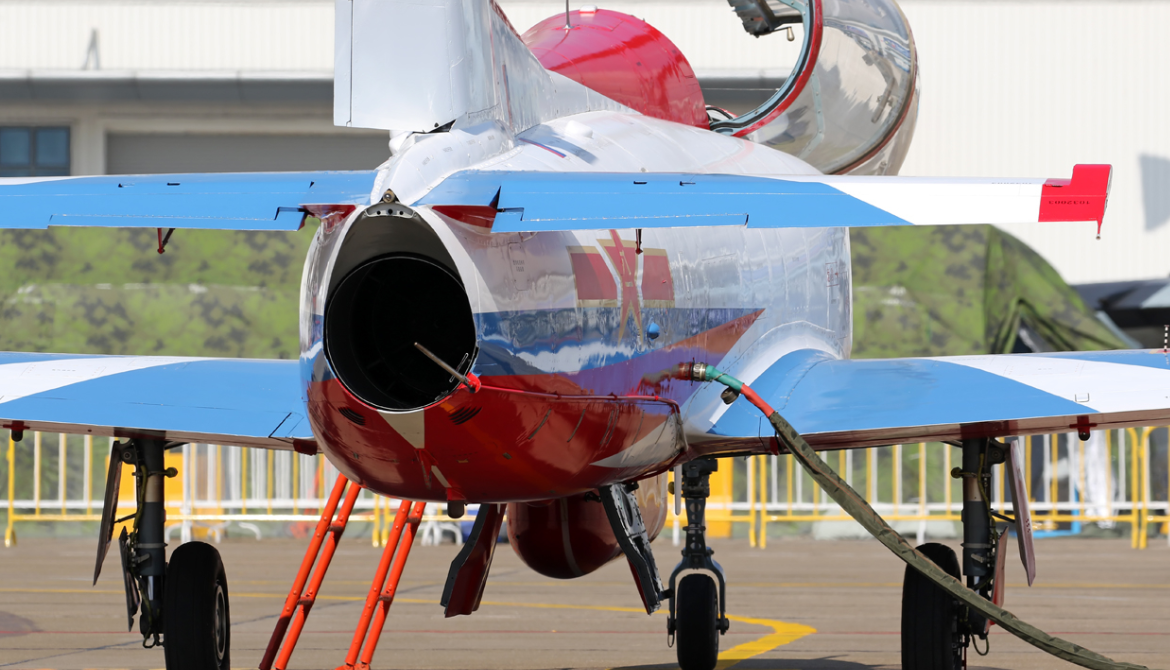


Hongdu Aviation Industry Group Ltd. (HAIG)
Hongdu JL-8 (Nanchang JL-8), Karakorum-8
General characteristics
-
- Crew: 2
- Length: 11.6 m (38 ft 1 in)
- Wingspan: 9.63 m (31 ft 7 in)
- Height: 4.1 m (13 ft 5 in)
- Empty weight: 2,687 kg (5,924 lb)
- Max takeoff weight: 4,330 kg
- Powerplant: 1 × Honeywell TFE731-2A turbofan engine, 16.01 kN (3,600 lbf) thrust
-
Powerplant
-
Type Geared turbofan National origin United States Manufacturer Garrett AiResearch
Honeywell AerospaceFirst run 1970 Major applications AIDC AT-3
CASA C-101
Cessna Citation IIIHongdu JL-8
Dassault Falcon 900
Hawker 800
Learjet 31
Textron AirLand Scorpion
Lockheed Martin RQ-170 Sentine
Specifications
-
- Maximum speed: 800 km/h
- Maximum speed: Mach 0.75
- Range: 2,250 km
- Service ceiling: 13,000 m
- g limits: +7.33 -3.0
Armament
-
-
- Guns: 1× 23 mm cannon pod (mounted on centreline hardpoint)
- Hardpoints: Up to 5 hardpoints (varies on variants), total capacity 1,000 kg (2,205 lb) external fuel and ordnance:
- 4× under-wing, capacity 250 kg each
- 1× under-fuselage (23 mm cannon pod mount)
- Rockets: 57 mm unguided rocket pods, capacity 24 rounds (2 x pods with 12 rounds each)
- Air-to-air missiles: PL-5, PL-7
- Air-to-ground missiles: TL-10, TL-20, YJ-9E (Anti ship). NG Version only.
- Bombs: 200 kg, 250 kg unguided bomb. 50 kg, 100 kg Laser guided bomb. NG Version only.
-
-
-
Links to Youtube & Others
On 29 November 2015, COMAC delivered the first ARJ21-700 to Chengdu Airlines.[17] The first commercial flight took off from Chengdu Shuangliu Airport on June 28, 2016, landing in Shanghai two hours later.

Hongdu JL-8 (Nanchang JL-8), Karakorum-8
Several Western sources claim the ARJ21 closely resembles either the McDonnell Douglas MD-80 or the MD-90, which were produced under licence in China.
Read more in China Aviation

.png)