


 |
|
| General information | |
|---|---|
| Type | Fighter |
| Manufacturer | Albatros Flugzeugwerke |
| Designer | Robert Thelen |
| Primary users | LuftstreitkräfteKaiserliche Marine Polish Air Force Ottoman Air Force |
| Number built | c. 2,500 |
| History | |
| First flight | April 1917 |
| Developed from | Albatros D.III |
In April 1917, Albatros received an order from Inspektion der Fliegertruppen () for an improved version of the D.III. The design process was headed by the aeronautical engineer Robert Thelen, the company's chief designer at Johannisthal. Development proceeded at a rapid pace, the resulting D.V prototype performed its maiden flight late in April 1917. This prototype retained the standard rudder of the Johannisthal-built D.III; subsequent production aircraft used the enlarged rudder featured on D.IIIs built by the Ostdeutsche Albatroswerke (OAW), in what was known as the independent city of Schneidemühl. The D.V had a larger spinner and ventral fin and closely resembled the D.III with the same 127 kW (170 hp) Mercedes D.IIIa engine. The most notable difference was a new, elliptical cross-section fuselage which was 32 kg (71 lb) lighter than the partially flat-sided fuselage of the earlier D.I to D.III designs. The new elliptical cross-section required an additional longeron on each side of the fuselage and the fin, rudder and tailplane initially remained unchanged from the D.III.
.jpg)
Compared to the D.III, the upper wing of the D.V was 121 mm (4.75 in) closer to the fuselage, while the lower wings attached to the fuselage without a fairing. The D.V wings were almost identical to those of the standard D.III, which had adopted a sesquiplane wing arrangement broadly similar to the French Nieuport 11. The only significant difference between wings of the D.III and D.V was a revised routing of the aileron cables that placed them entirely within the upper wing. Idflieg conducted structural tests on the fuselage but not the wings of the D.V.[

Ceiling
MAX RANGE
Aircraft Speed
Max Crew




During August 1917, Idflieg placed orders for 262 D.Va aircraft; follow-on orders for another 250 aircraft were received in September and as 550 during the following month. Ostdeutsche Albatros Werke, which had been engaged in production of the D.III, received orders for 600 D.Va aircraft in October. Deliveries of the D.Va commenced in October 1917.

The D.V entered service with the German Air Force in May 1917 .
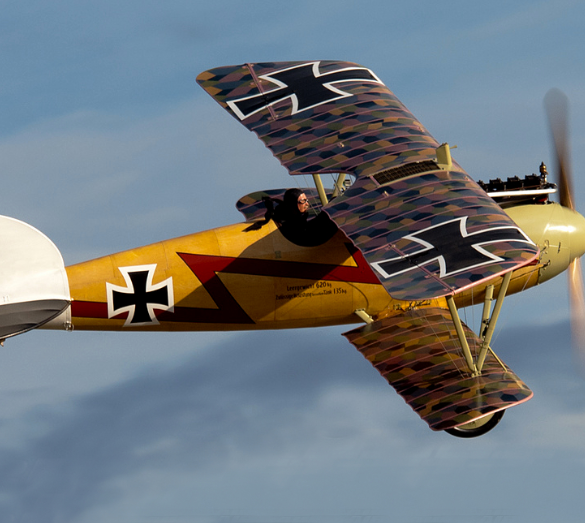
The D.V entered service with the German Air Force in May 1917 but losses attributed to structural failures of the lower wing occurred




.svg.png)


