NcDonnell Douglas
DC-10-30 Wide-body
Produced 1968–1989
Number built DC-10: 386 KC-10: 60


McDonnell Douglas DC-10 Trijet
 |
|
| General information | |
|---|---|
| Type | Wide-body airliner |
| National origin | United States |
| Manufacturer | McDonnell Douglas |
| Status | In limited non-passenger service |
| Primary users | FedEx Express (historical)
|
| Number built | 386 |
| History | |
| Manufactured | 1969–1989 |
| Introduction date | August 5, 1971, with American Airlines |
| First flight | August 29, 1970; 54 years ago |
| Retired | February 24, 2014 (passenger service) |
| Variants | |
| Developed into | McDonnell Douglas MD-11 |
.
History
McDonnell Douglas DC-10 Trijet Produced 1968–1989
The McDonnell Douglas DC-10 is an American trijet wide-body aircraft manufactured by McDonnell Douglas. The DC-10 was intended to succeed the DC-8 for long-range flights. It first flew on August 29, 1970; it was introduced on August 5, 1971, by American Airlines.
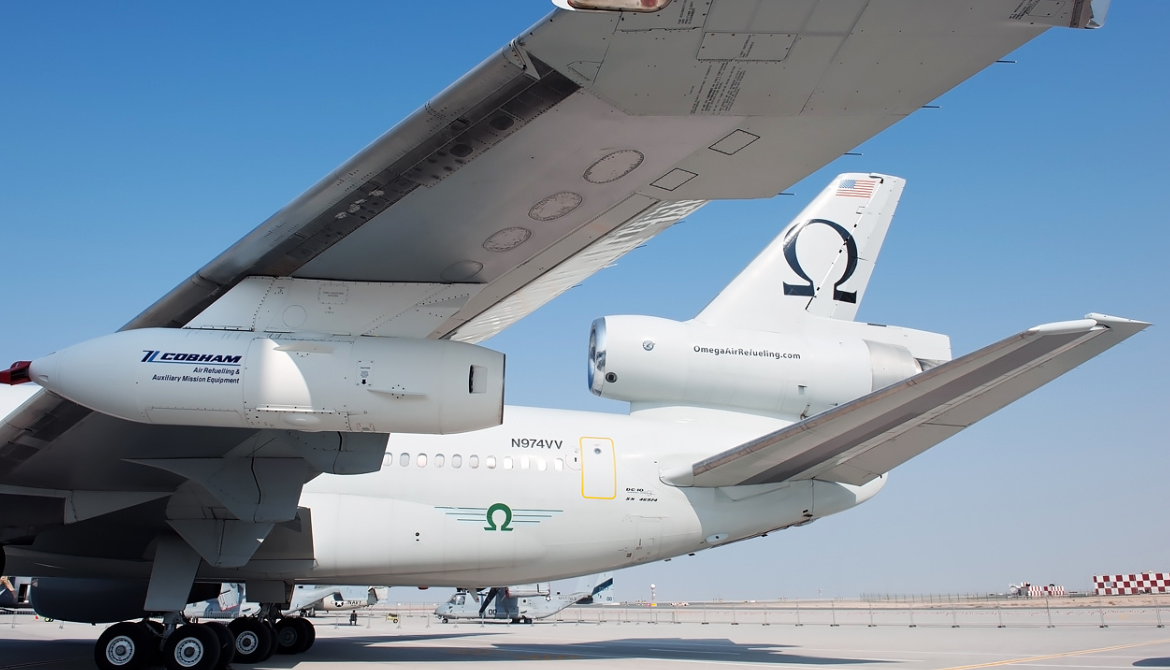
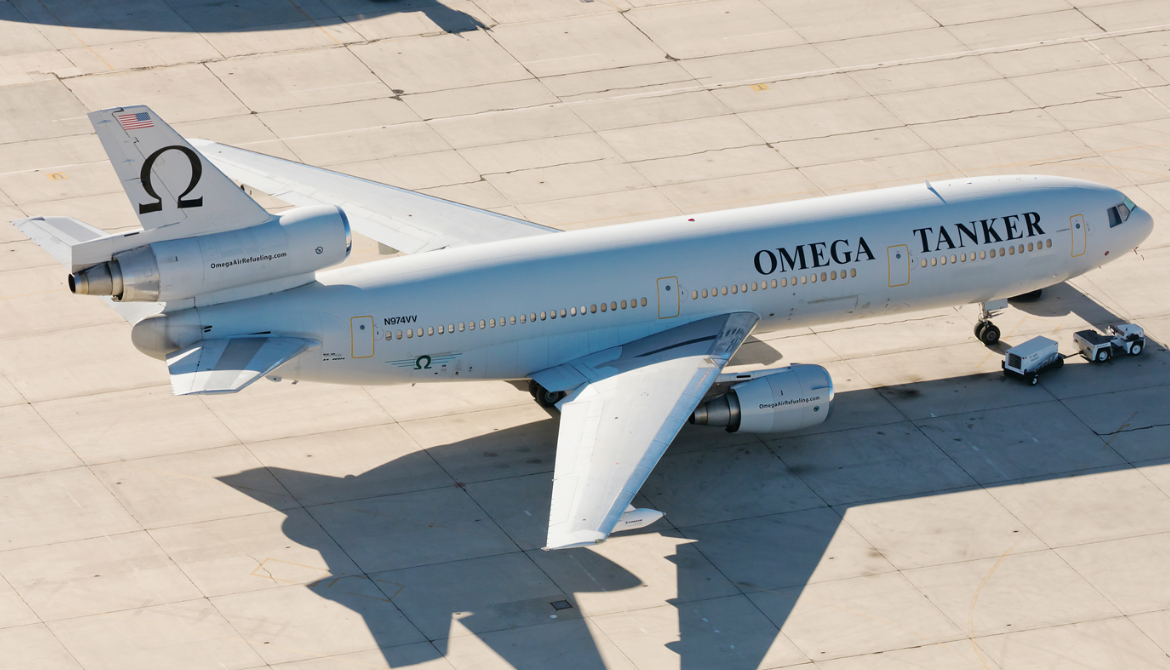
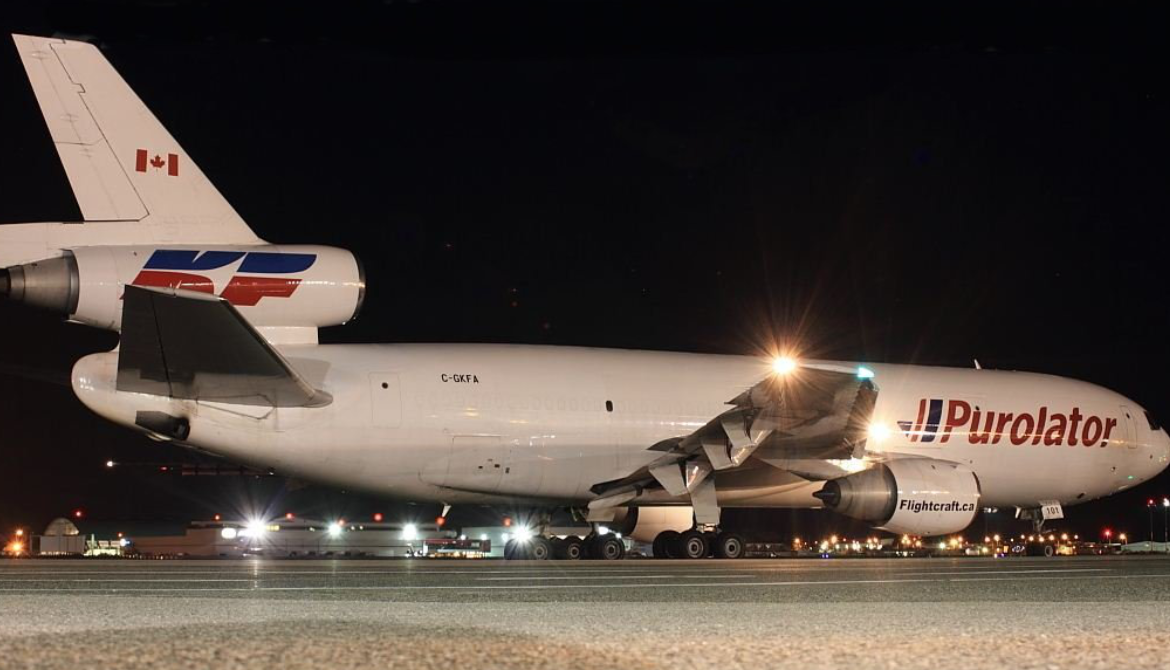
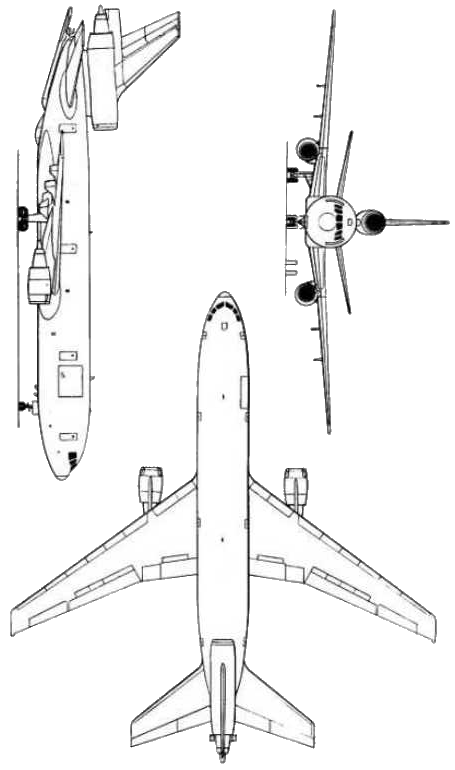
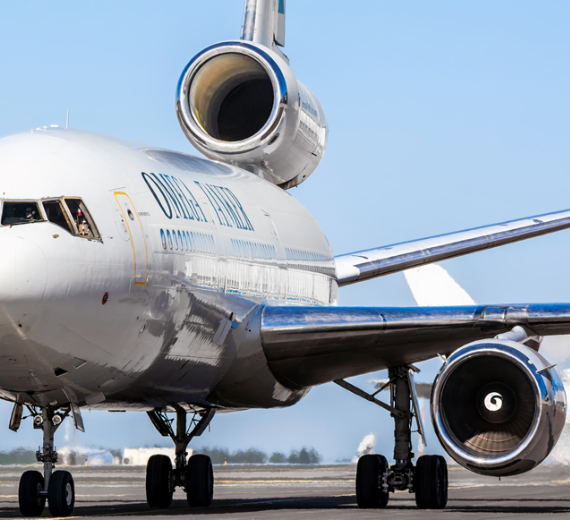
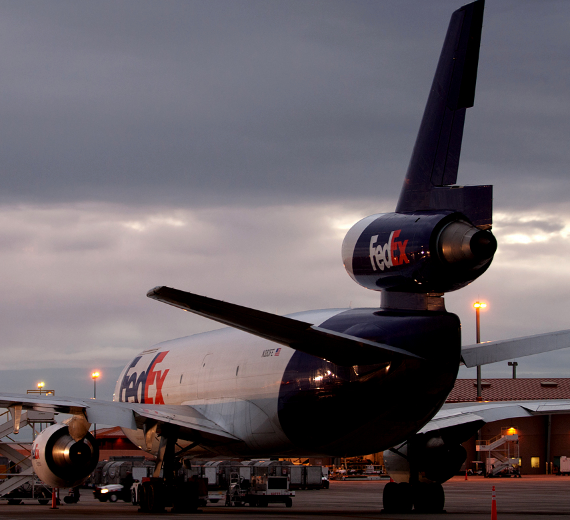
The trijet has two turbofans on underwing pylons and a third one at the base of the vertical stabilizer. The twin-aisle layout has a typical seating for 270 in two classes. The initial DC-10-10 had a 3,500 nmi (6,500 km) range for transcontinental flights. The DC-10-15 had more powerful engines for hot and high airports. The DC-10-30 and −40 models (with a third main landing gear leg to support higher weights) each had intercontinental ranges of up to 5,200 nmi (9,600 km). The KC-10 Extender (based on the DC-10-30) is a tanker aircraft operated primarily by the United States Air Force.
Layout

.jpg)
The 3-4-3 (left) and 2-5-2 (right) seating configuration
0
KmCeiling
0
KmRANGE DC-10-30
0
MachAircraft Speed
0
Max Crew
Photo Gallery
McDonnell Douglas DC-10 Trijet
Produced 1968–1989


McDonnell Douglas DC-10 Trijet
Produced 1968–1989
General Info
-
-
-
Crew3Passengers255 - 270, max. 380)
Wing Span 50,41 m Length 55,50 m Height 17,70 m Empty Weight 121.200 kg max. Takeoff Weight 263.084 kg
-
Crew3Passengers255 - 270, max. 380)
-
Powerplant
-
-
-
Propulsion 3 Turbofan Engines Engine Model General Electric CF6-50C Engine Power (each) 226,0 kN 50800 lbf alternative Engine Variant
-
-
Performance
-
Cruise Mach 0.82 (473 kn; 876 km/h; 544 mph) typical, Mach 0.88 (507 kn; 940 km/h; 584 mph) MMo
Aircraft of comparable role
Links to Youtube & Others
The KC-10 Extender is a military version of the DC-10-30CF for aerial refueling. The aircraft was ordered by the U.S. Air Force and delivered from 1981 to 1988. A total of 60 were built.[69] These aircraft are powered exclusively by General Electric CF6 turbofan engines.

McDonnell Douglas
DC-10 Trijet
A long-range model and the most common model produced. It was built with General Electric CF6-50 turbofan engines, with larger fuel tanks and a larger wingspan.
Youtube Link
The DC-10 is capable of performing all-weather operations, a function that many preceding jetliners had been incapable of.
Read more in McDonnell Douglas