Vickers Limited Armstrong Whitworth & Co Ltd
Vickers F.B.5 the "Gunbus"
First flight 17 July 1914
Introduction November 1914

Vickers Limited
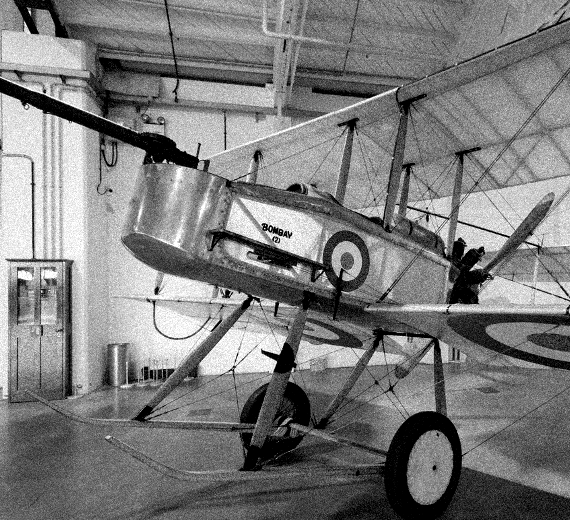
Vickers F.B.5 "Gunbus"
 |
|
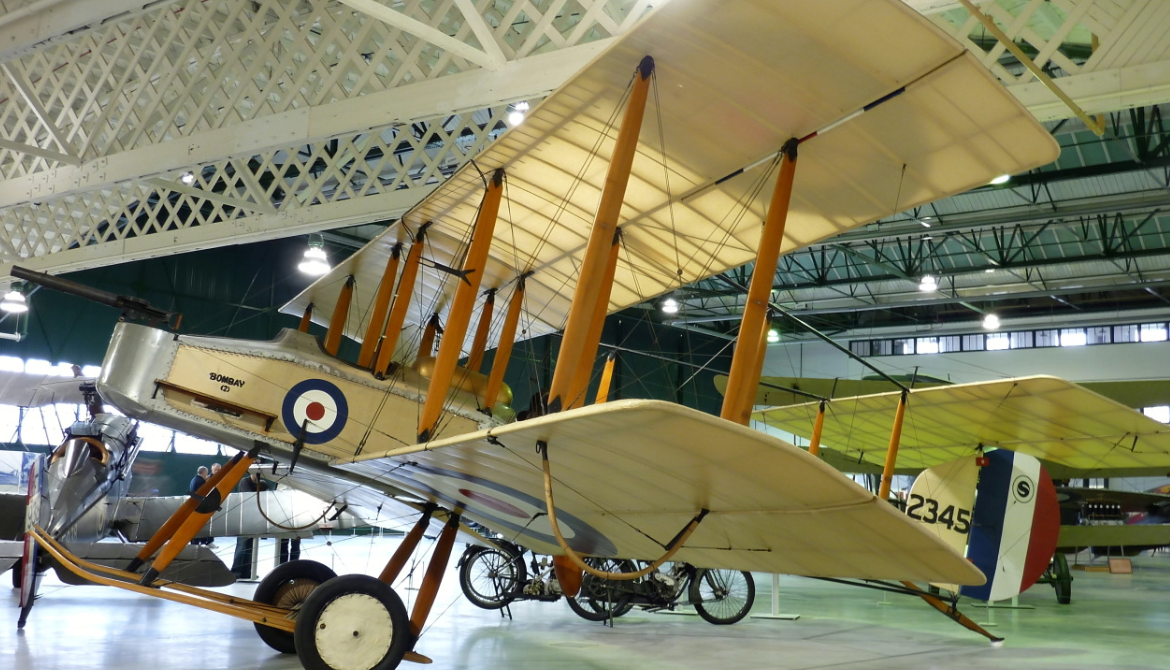
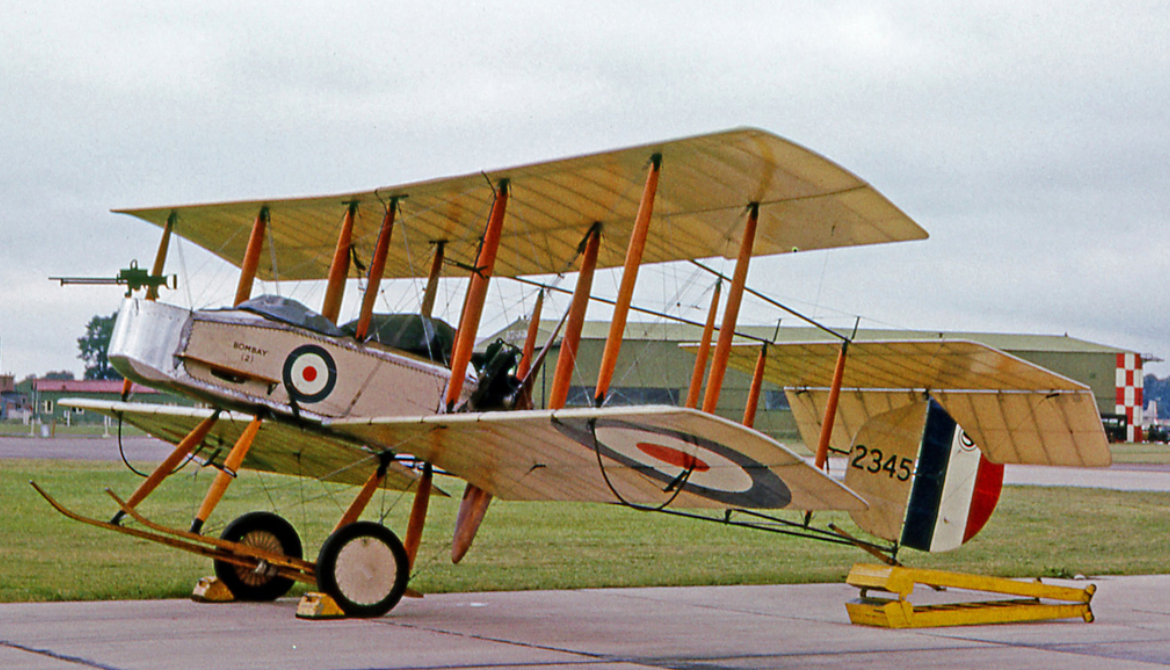
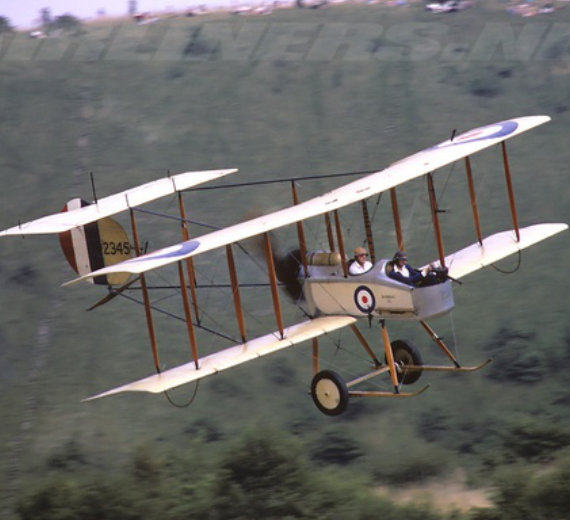
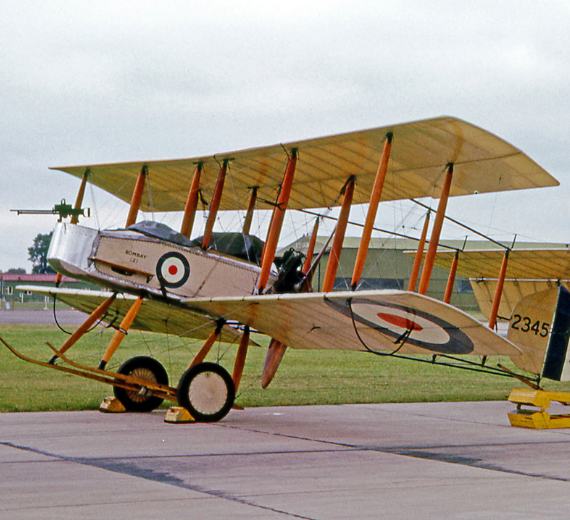
| Airworthy Gunbus replica built in 1966 and painted in RFC colours | |
| Role | Fighter |
|---|---|
| Manufacturer | Vickers Limited |
| Designer | Archibald Reith Low |
| First flight | 17 July 1914 |
| Introduction | November 1914 |
| Retired |
|
| Primary user | Royal Flying Corps |
| Number built |
|
.
History Vickers Limited Armstrong Whitworth & Co Ltd
Vickers F.B.5 (known as the "Gunbus")
First flight 17 July 1914
Introduction November 1914
Vickers Limited was a British engineering conglomerate. The business began in Sheffield in 1828 as a steel foundry and became known for its church bells, going on to make shafts and propellers for ships, armour plate and then artillery. Entire large ships, cars, tanks and torpedoes followed. Airships and aircraft were added, and Vickers jet airliners were to remain in production until 1965.
Design
Vickers began experimenting with the concept of an armed warplane designed to destroy other aircraft in 1912. The first resulting aircraft was the "Destroyer" (later designated Vickers E.F.B.1) which was shown at the Olympia Aero Show in February 1913, but crashed on its maiden flight. This aircraft was of the "Farman" pusher layout, to avoid the problem of firing through a tractor propeller, and was armed with a single belt-fed Vickers gun. Vickers continued to pursue the development of armed pusher biplanes, and their Chief Designer Archie Low drew up a new design, the Vickers Type 18, or Vickers E.F.B.2. This was a two-bay biplane powered by a single 80 hp (60 kW) Gnome Monosoupape nine-cylinder rotary engine; the aircraft had a steel tube structure, with fabric-covered wings and tail, and a duralumin-covered nacelle with large celluloid windows in the sides. The unequal-span wings were unstaggered, with lateral control by wing warping, while the aircraft had a large semi-circular tailplane. Armament remained a single Vickers gun mounted in the nose of the nacelle, with limited movement possible, and a very poor view for the gunner.
.jpg)
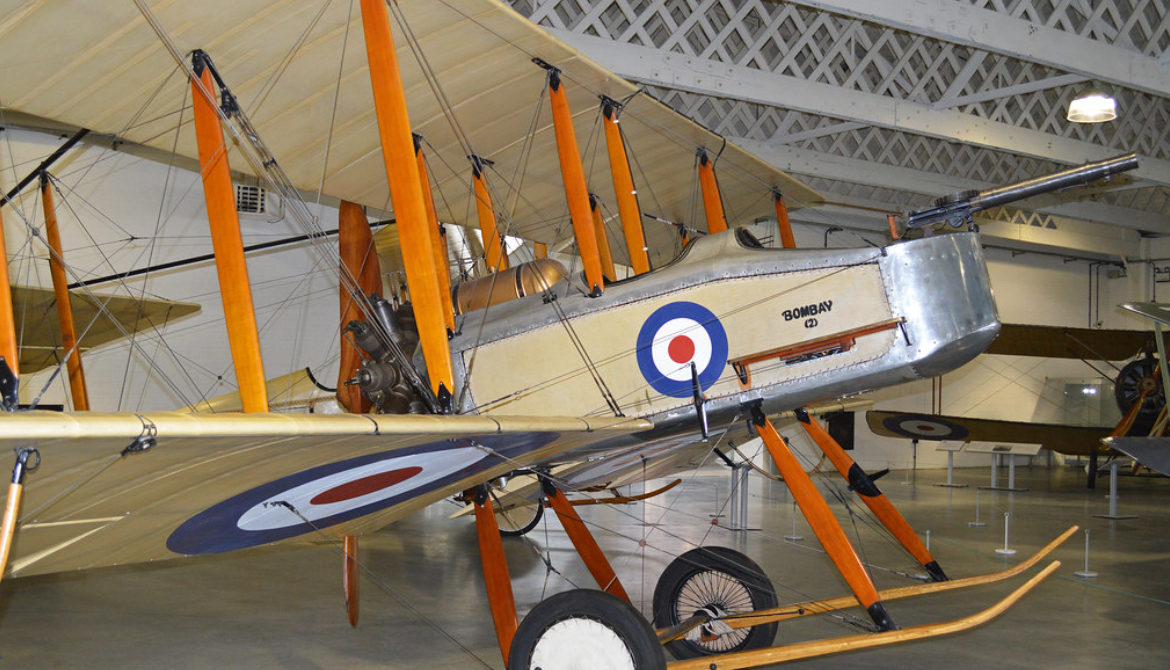
Bombay (2), an F.B.5ahe F.B.5 first flew on 17 July 1914. It was powered by a single 100 hp (75 kW) Gnome Monosoupape nine-cylinder rotary engine driving a two-bladed propeller, and was of simple, clean, and conventional design compared with its predecessors. F.B.6 The Vickers F.B.6 was a development of the F.B.5 with an increased span on the upper wing. Only one was built. F.B.9 A further development of the F.B.5, the Vickers F.B.9, had a more streamlined nacelle and an improved ring mounting (either Vickers or Scarff) for the Lewis gun. Fifty were delivered to Royal Flying Corps training units. A few served in some F.E.2b squadrons while they were waiting for their new aircraft between late 1915 and early 1916.
0
KmCeiling
0
KmCombat RANGE
0
Km/hAircraft Speed
0
Max Crew
Photo Gallery
Vickers Limited Armstrong Whitworth & Co Ltd
Vickers F.B.5 (known as the "Gunbus")


Vickers Limited Armstrong Whitworth & Co Ltd
Vickers F.B.5 (Fighting Biplane 5)
General Info
-
-
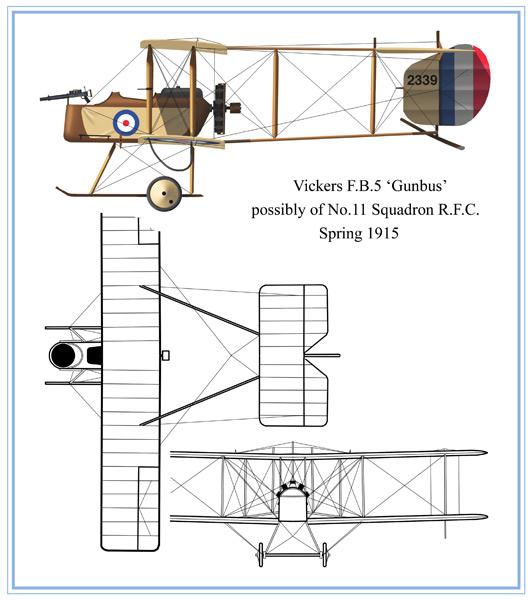
- Crew: Two, pilot & observer/gunner
- Length: 27 ft 2 in (8.28 m)
- Wingspan: 36 ft 6 in (11.13 m)
- Height: 11 ft 0 in (3.35 m)
- Wing area: 382 sq ft (35.5 m2)
-
Powerplant
-
- Empty weight: 1,220 lb (553 kg)
- Gross weight: 2,050 lb (930 kg)
- Powerplant: 1 × Gnome Monosoupape 9-cylinder rotary engine, 100 hp (75 kW)
-
Performance
- Maximum speed: 70 mph (110 km/h, 61 kn) at 5,000 ft (1,500 m)
- Range: 250 mi (400 km, 220 nmi)
- Endurance: 4 hours 30 minutes
- Service ceiling: 9,000 ft (2,700 m)
- Time to altitude: 16 min to 5,000 ft (1,500 m)
Links to Youtube & Others
The F.B.5 first flew on 17 July 1914. It was powered by a single 100 hp (75 kW) Gnome Monosoupape nine-cylinder rotary engine driving a two-bladed propeller, and was of simple, clean, and conventional design compared with its predecessors.

Vickers F.B.5
(Fighting Biplane 5)
The belt-fed machine gun proved problematic, and the weapon was changed to the lighter, handier, drum-fed .303 in (7.7 mm) Lewis gun.
Youtube Link
The Vickers F.B.6 was a development of the F.B.5 with an increased span on the upper wing. Only one was built.
Read more in Vickers F.B.5
(known as the "Gunbus")