
Boeing Military
YF-118G Bird of Prey
Number built 1
First flight September 11, 1996
Retired April 1999
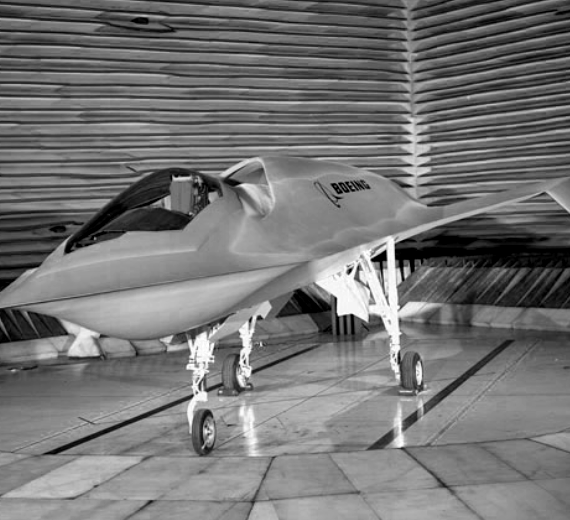

Boeing Airplanes
YF-118G Bird of Prey
 |
|
| General information | |
|---|---|
| Type | Experimental stealth testbed |
| Manufacturer | McDonnell Douglas / Boeing |
| Status | On display |
| Number built | 1 |
| History | |
| First flight | September 11, 1996 |
| Retired | April 1999 |
| Preserved at | National Museum of the United States Air Force |
.
History Boeing YF-118G Bird of Prey
Number built 1First flight September 11, 1996
Retired April 1999
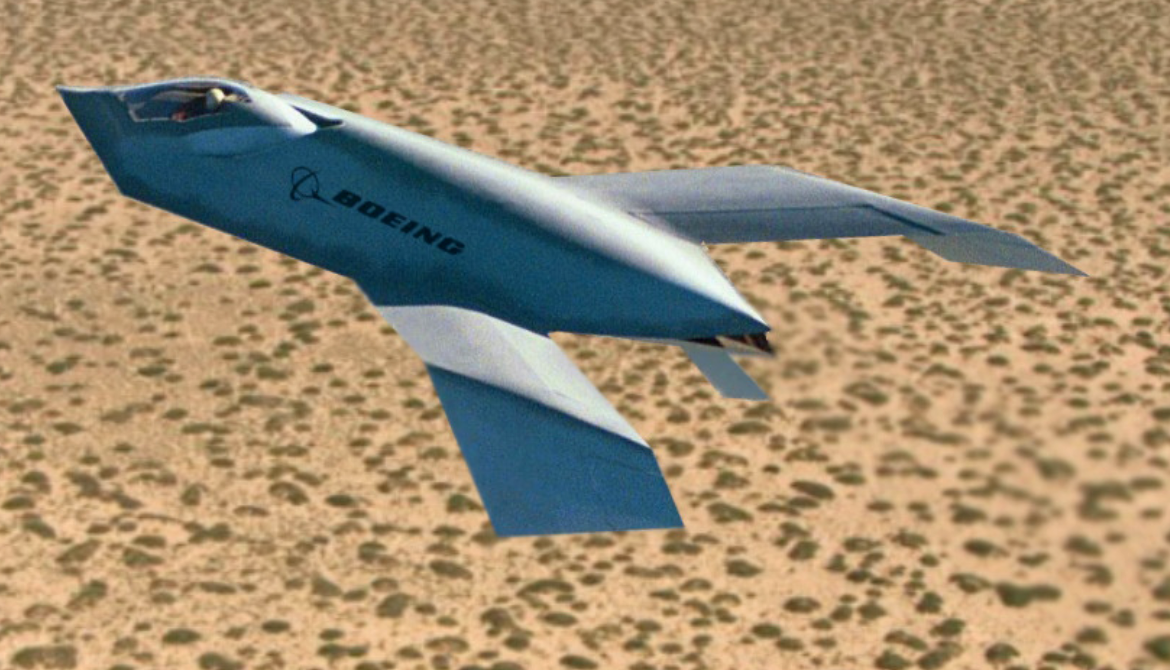
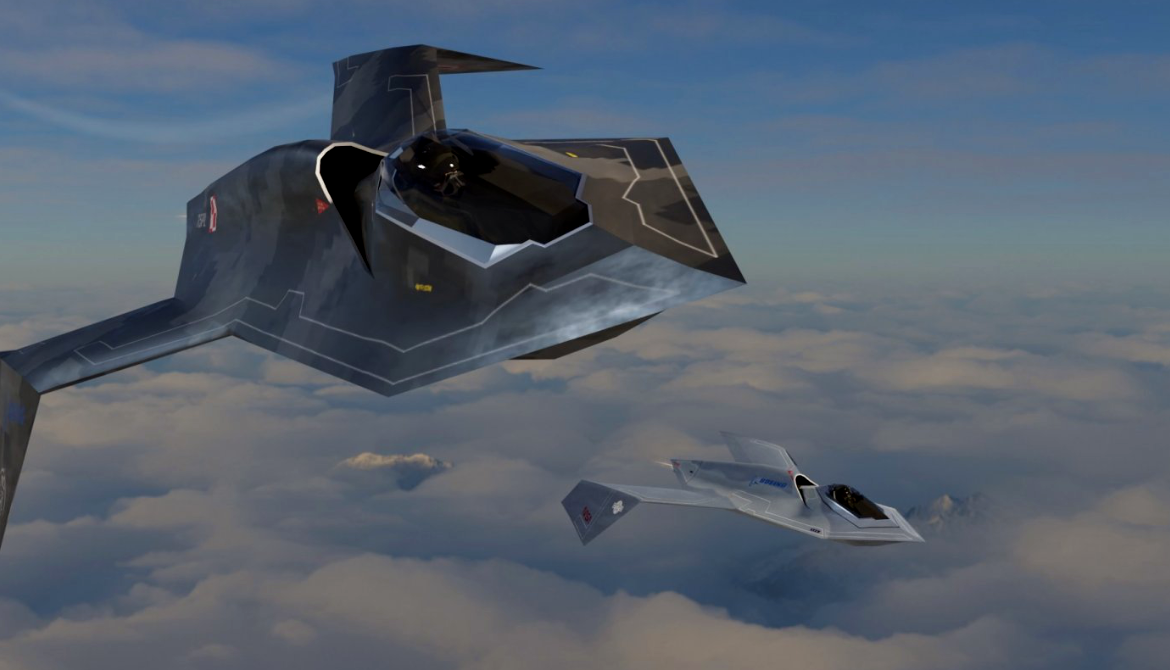
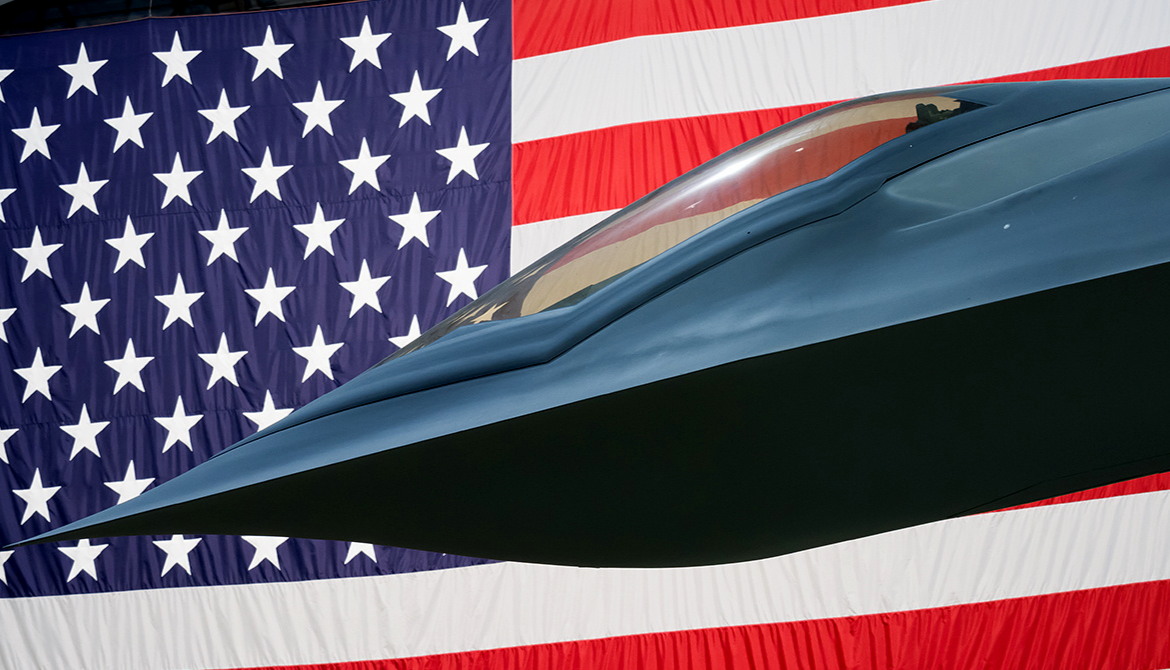
The Boeing Bird of Prey was a black project aircraft, intended to demonstrate stealth technology. It was developed by McDonnell Douglas and Boeing in the 1990s. The company provided $67 million of funding for the project; it was a low-cost program compared to many other programs of similar scale. It developed technology and materials which would later be used on Boeing's X-45 unmanned combat air vehicle. As an internal project, this aircraft was not given an X-plane designation. There are no public plans to make this a production aircraft. It is characterized as a technology demonstrator.
Development of the Bird of Prey began in 1992 by McDonnell Douglas's Phantom Works division for special projects, at Area 51. The aircraft's name is a reference to the Klingon Bird of Prey warship from the Star Trek television series. Phantom Works later became part of Boeing Integrated Defense Systems after the Boeing–McDonnell Douglas merger in 1997.0
KmCeiling
0
KgWeight
0
km/hAircraft Speed
0
Max Crew
Photo Gallery
Boeing YF-118G Bird of Prey


Boeing Military Airplanes
YF-118G Bird of Prey
Number built 1 First flight September 11, 1996
Retired April 1999
General characteristics
- Crew: 1
- Length: 46 ft 8 in (14.22 m)
- Wingspan: 22 ft 8 in (6.91 m)
- Height: 9 ft 3 in (2.82 m)
- Wing area: 220 sq ft (20.4 m2) (estimated)
Powerplant
- Max takeoff weight: 7,400 lb (3,356 kg)
- Powerplant: 1 × Pratt & Whitney Canada JT15D-5C , 3,190 lbf (14.2 kN) thrust
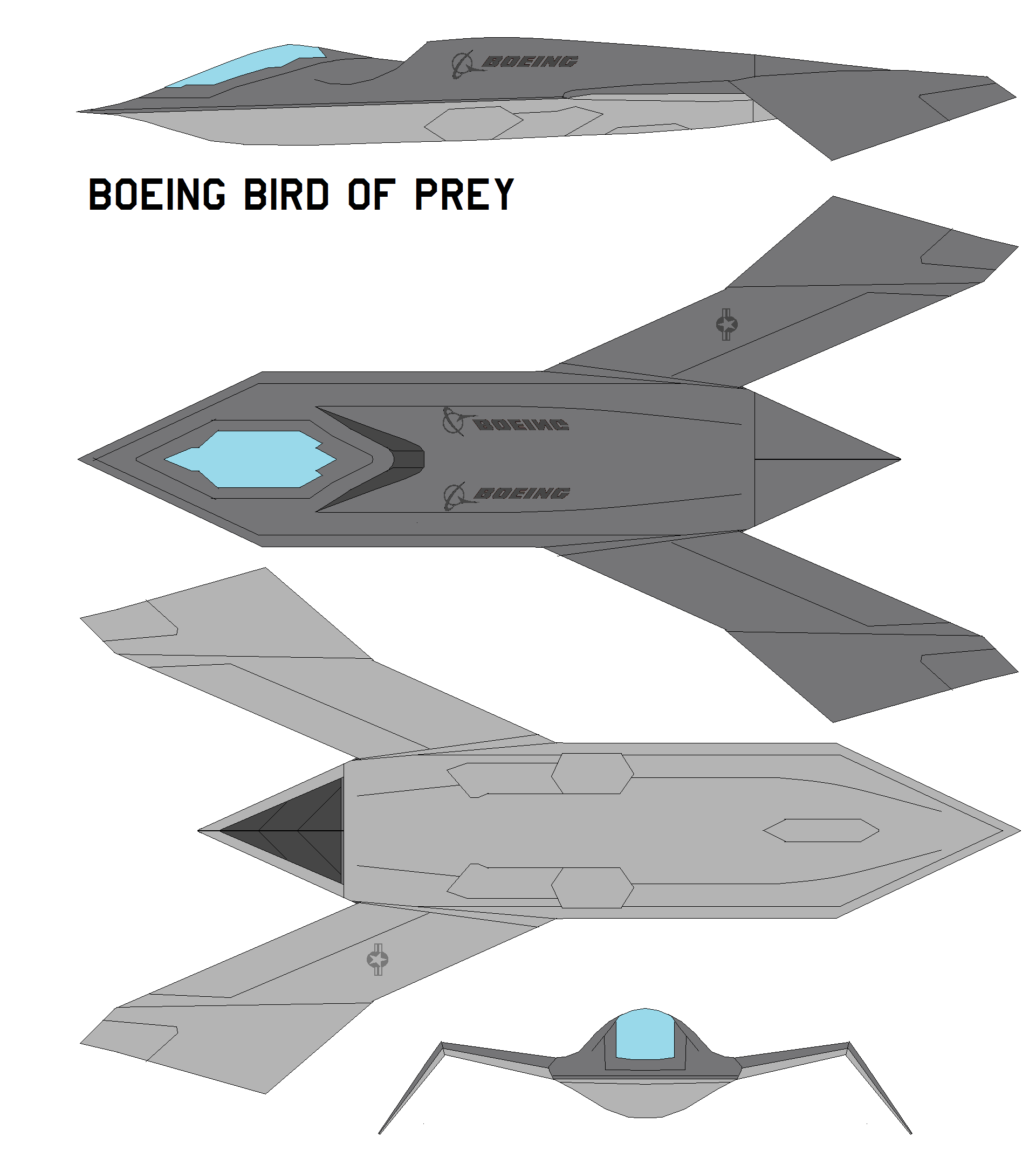
Specifications
- Maximum speed: 260 kn (299 mph, 482 km/h)
- Service ceiling: 20,000 ft (6,100 m)
Armament
- None
-
YF-118G Bird of Prey
Links to Youtube & Others
The North American Rockwell OV-10 Bronco is an American twin-turboprop light attack and observation aircraft.

YF-118G Bird of Prey
After World War II, thousands of surplus PT-17s were auctioned off to civilians and former military pilots. Many were modified for cropdusting use.
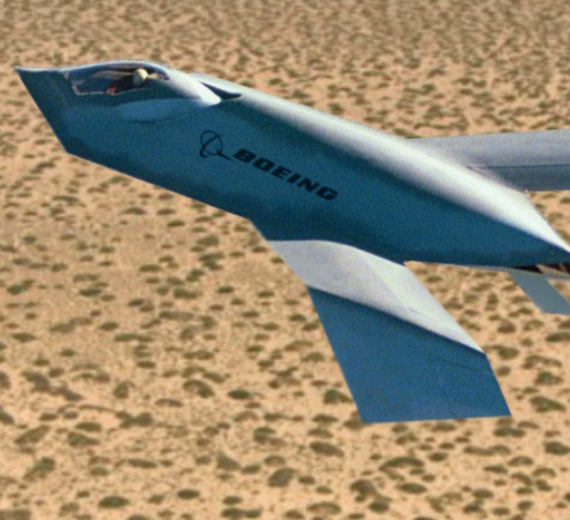
Youtube Link
Throughout the 1990s, a team of engineers from McDonnell Douglas’ Phantom Works developed and tested a unique stealth fighter shrowded in the secrecy of Area 51, known to most as the Bird of Prey.
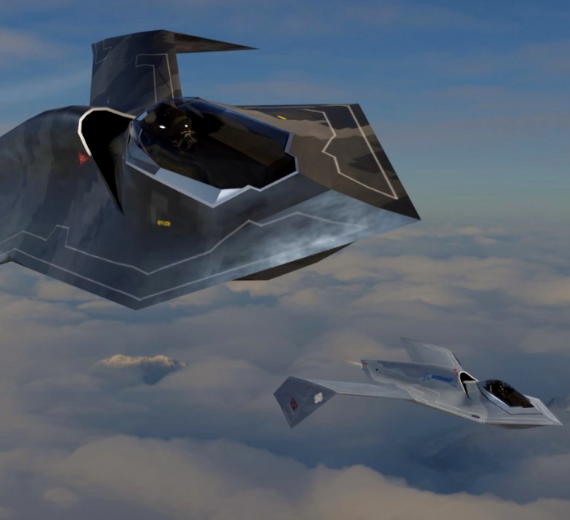
Read more in USAF / USA Air Force





.svg.png)