Northrop Grumman
B-21 Raider Stealth bomber
First flight 10 November 2023
(16 months ago)

Northrop Grumman
B-21 Raider
 |
|
| General information | |
|---|---|
| Type | Stealth strategic bomber |
| National origin | United States |
| Manufacturer | Northrop Grumman |
| Status | Low rate initial production[1] |
| Primary user | United States Air Force |
| Number built | 3 |
| History | |
| First flight | 10 November 2023 (16 months ago) |
| Initiated | 2011 |
| Predecessors | Northrop B-2 Spirit |
.
History Northrop Grumman
Northrop Grumman
B-21 Raider
First flight 10 November 2023 (16 months ago)
Design and development

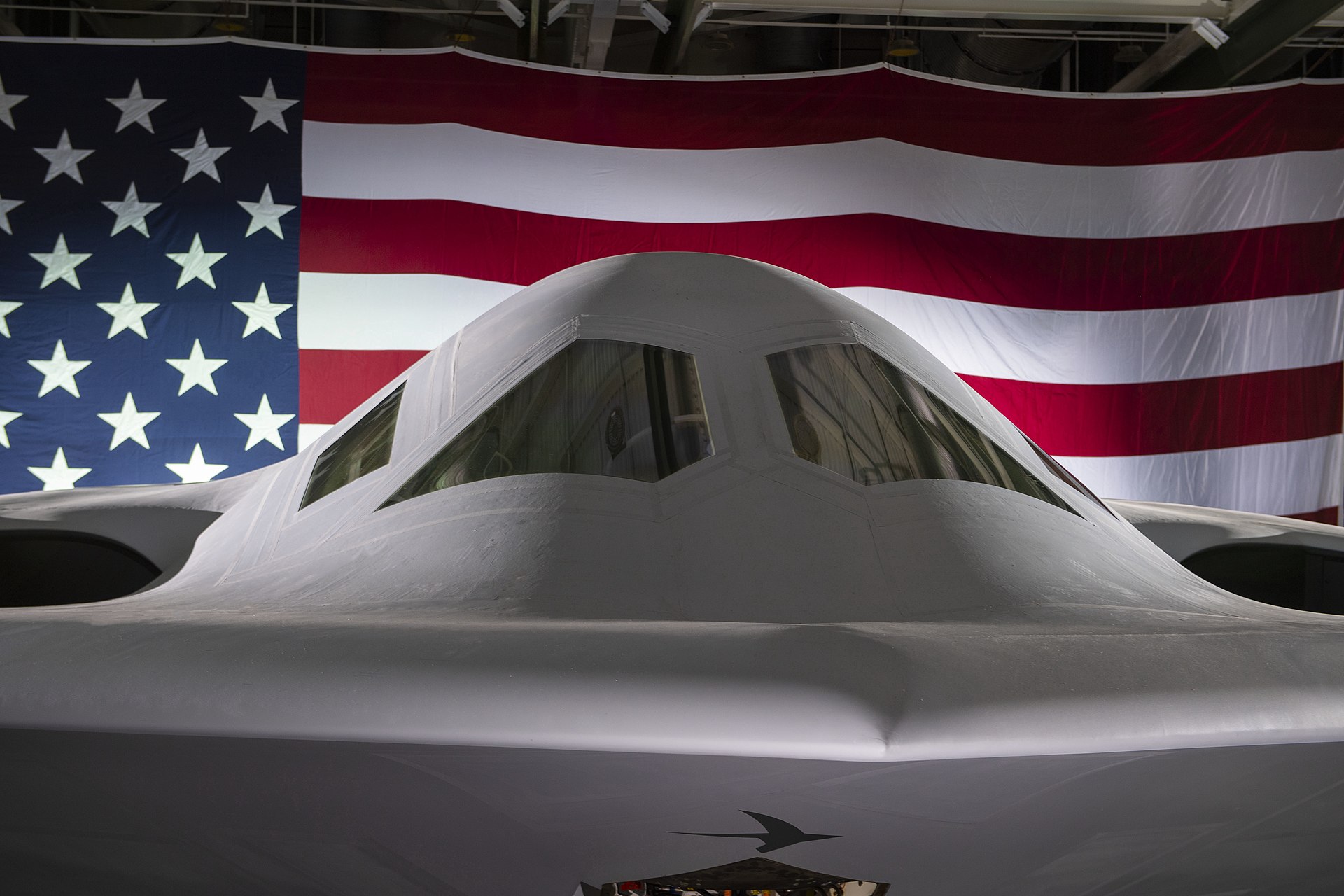
The classified Long Range Strike Bomber (LRS-B) program began in 2011, to create a stealth intercontinental strategic bomber for the USAF, able to deliver conventional and thermonuclear weapons. The Air Force issued a request for proposal to develop an LRS-B aircraft in July 2014. A development contract was awarded to Northrop Grumman in October 2015. Boeing and Lockheed Martin, who submitted losing bids for the project, filed bid protests; in October 2016, the Government Accountability Office (GAO) rejected the challenges and sustained the USAF's decision to award the LRS-B contract to Northrop Grumman. The GAO report revealed that cost was the deciding factor in selecting Northrop Grumman over the Boeing-Lockheed Martin team
0
KmCeiling
0
nmiMAX RANGE
0
MachAircraft Speed
0
Max Crew
Photo Gallery
Northrop Grumman
B-21 Raider
First flight 10 November 2023 (16 months ago)




Northrop Grumman Aircraft
Northrop Grumman
B-21 Raider
First flight 10 November 2023 (16 months ago)
Program Cost
In December 2022, the cost of a B-21 aircraft was estimated to be $700 million; at the time, Air Force officials estimated that they would spend at least $203 billion over 30 years to develop, purchase, and operate a fleet of 100 B-21s.)
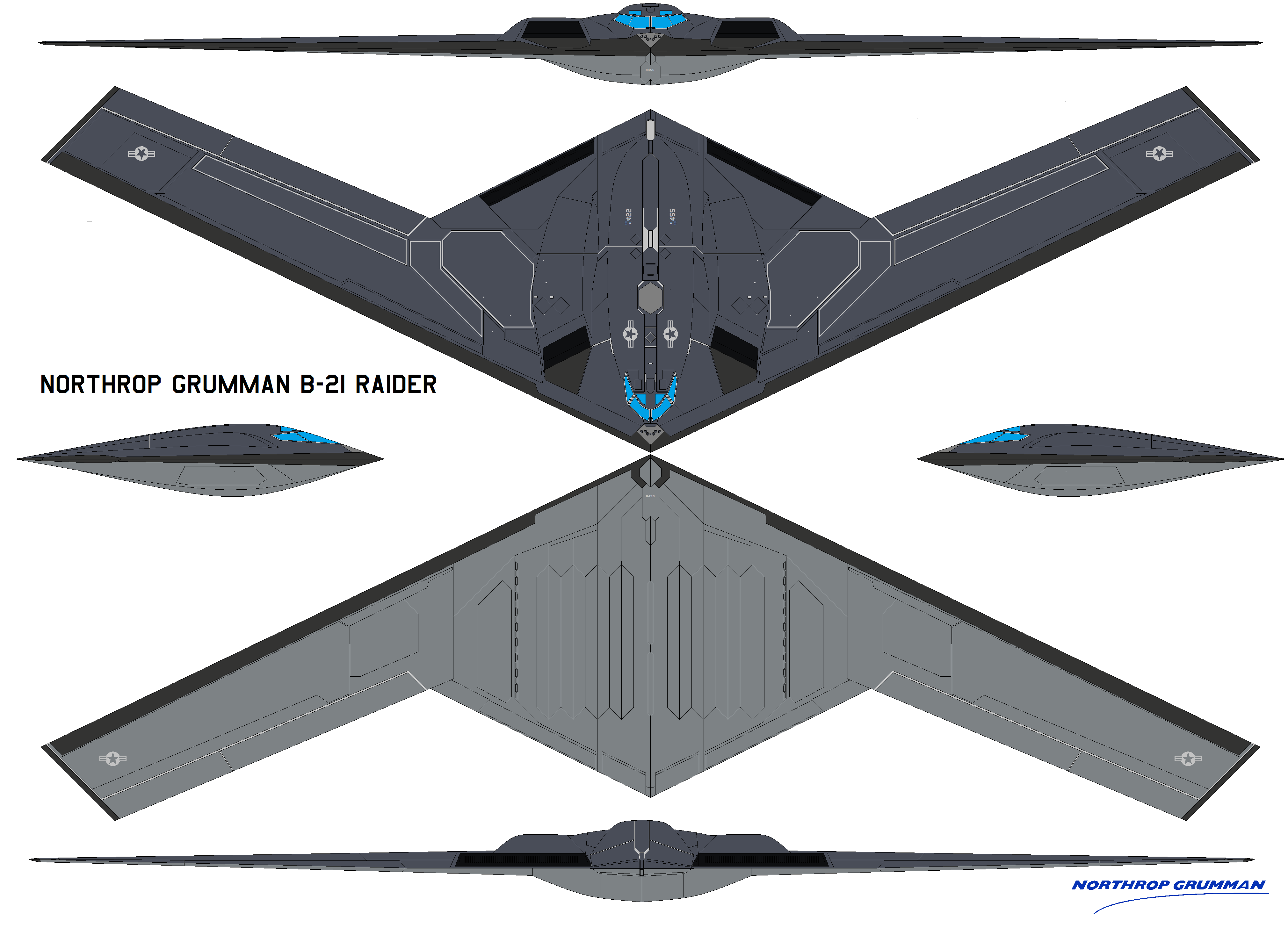
General characteristics
- Crew: 2
- Length: 54 ft (16 m)
- Wingspan: 132 ft (40 m)
- Empty weight: 70,000 lb (31,751 kg)
- Max takeoff weight: 180,000 lb (81,647 kg)
- Powerplant: 2 × Pratt & Whitney PW9000 non-afterburning turbofans, 27,000 lbf (120 kN) thrust each
Performance
- Maximum speed: Mach 0.8+
- Service ceiling: 50,000 ft (15,000 m)
Armament
- Hardpoints: 1 × main weapons bay with a capacity of 20,000 lb (9,100 kg) weapon load
- Missiles: AGM-181 LRSO
- Bombs: JDAM family of munitions
Links to Youtube & Others
American reconnaissance satellites first spotted the advanced Soviet Su-27 and MiG-29 fighter prototypes in 1978, which caused concern in the U.S. Both Soviet models were expected to reduce the maneuverability advantage of contemporary US fighter aircraft.

Northrop GrummanB-21 Raider
"The new aircraft is expected to strike targets anywhere across a continent in less than an hour."
Youtube Link
Bedankt voor het kijken! Sorry het geluid is een beetje slecht in deze video. Op dit moment proberen te bezuinigen op mijn kosten en ben ik moeten verhuizen naar een nieuw appartement met slechte akoestiek.
Read more in Northrop Aviation
.


.png)
.png)