Curtiss Wright
Curtiss C-46 Commando
First Flight 26 March 1940
Produced 1940–1945

Curtiss wright
C-46 Commando
Role Military transport aircraft
National origin United States
Manufacturer
Curtiss-Wright
Higgins Aircraft
First flight 26 March 1940
Introduction 1941
Status Active in limited civilian use
Primary users United States Army Air Forces
United States Air Force
United States Marine Corps
United States Navy
Produced 1940–1945
Number built 3,181
.
History Curtiss Wright
Curtiss C-46 Commando "the Whale"
First Flight 26 March 1940
Produced 1940–1945
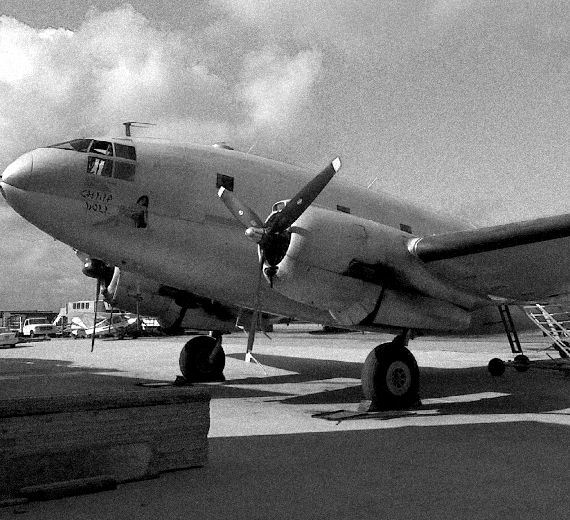
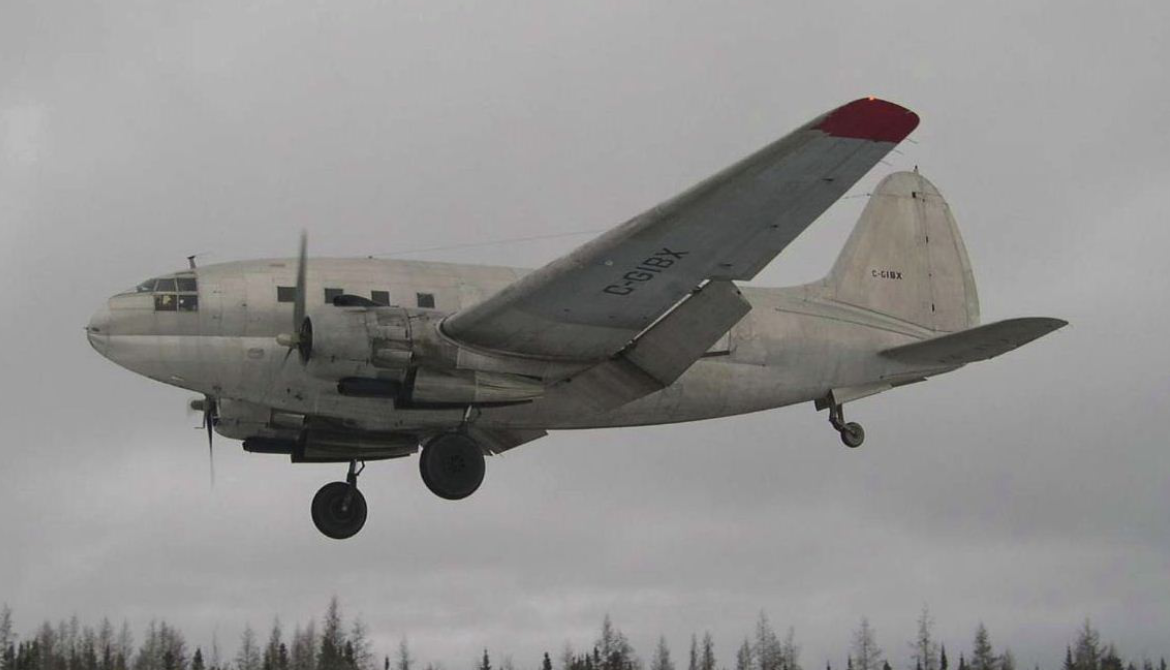
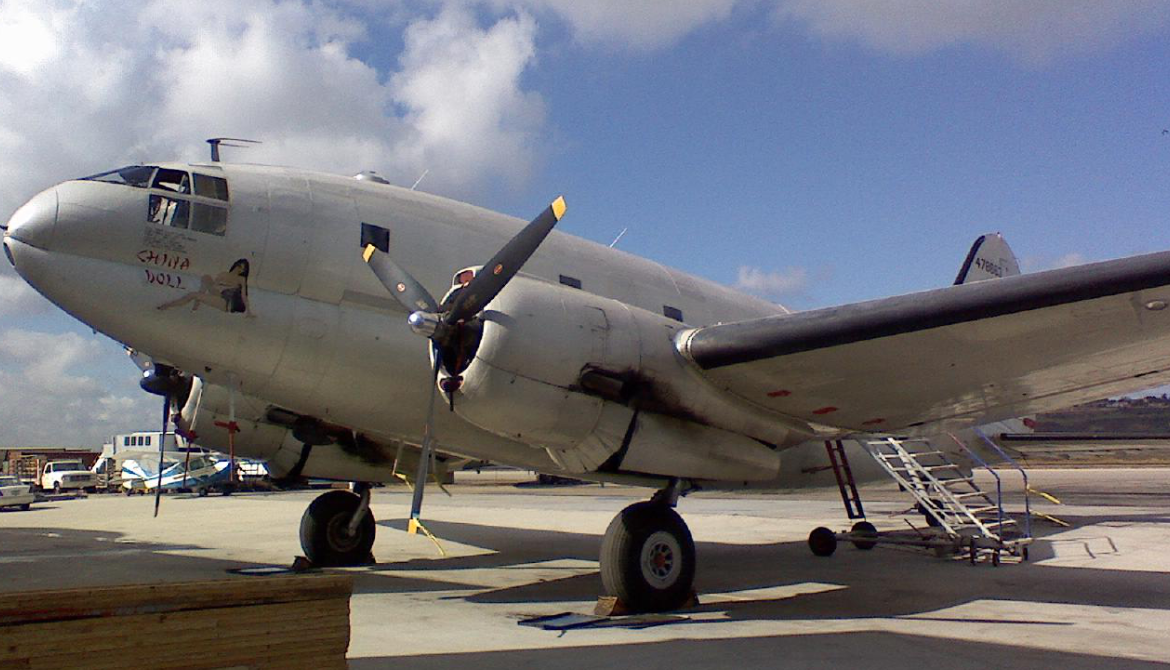
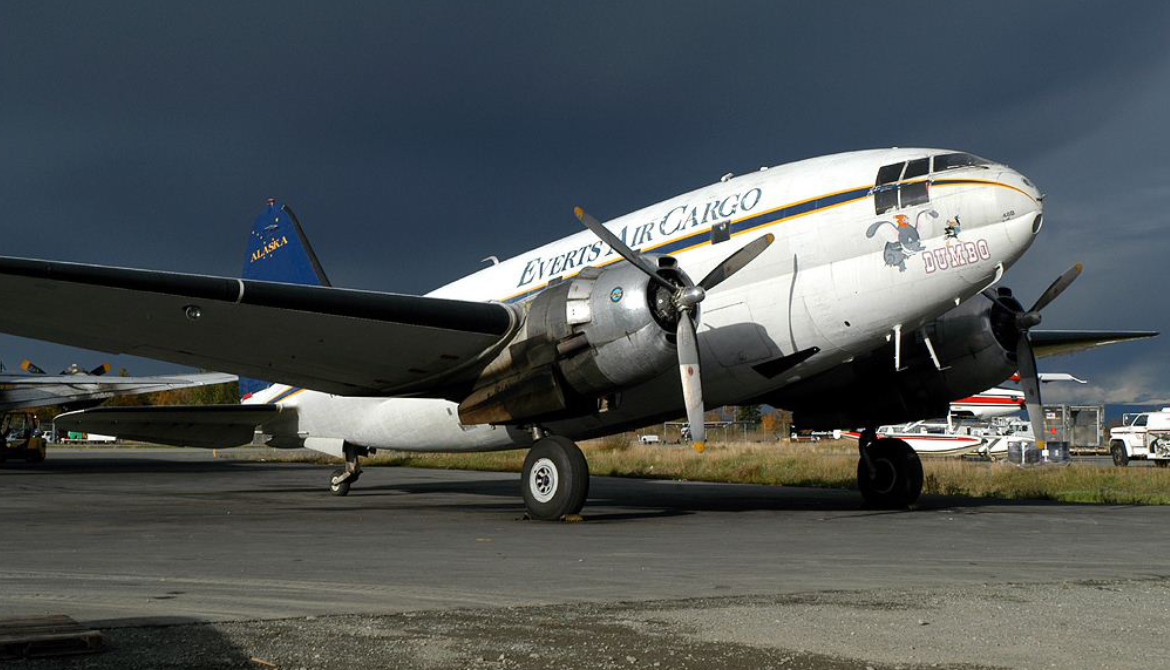
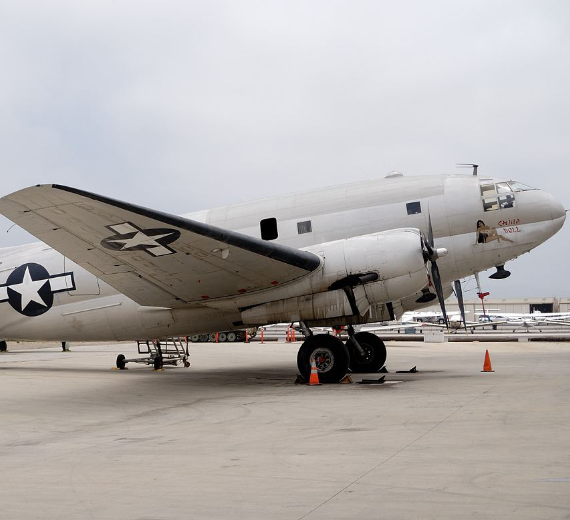
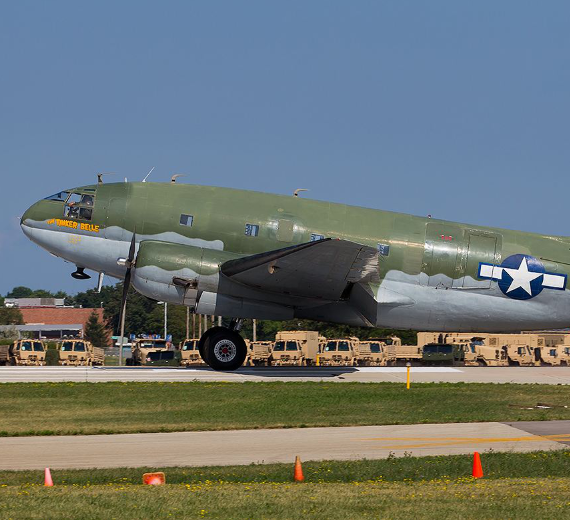
The Curtiss C-46 Commando is a low-wing, twin-engine aircraft derived from the Curtiss CW-20 pressurised high-altitude airliner design. Early press reports used the name "Condor III" but the Commando name was in use by early 1942 in company publicity. It was used primarily as a cargo aircraft during World War II, with fold-down seating for military transport and some use in delivering paratroops. Mainly deployed by the United States Army Air Forces, it also served the U.S. Navy/Marine Corps, which called it R5C. The C-46 filled similar roles as its Douglas-built counterpart, the C-47 Skytrain, with some 3,200 C-46s produced to approximately 10,200 C-47s.
The prototype for what would become the C-46, the Curtiss CW-20, was designed in 1937 by George A. Page Jr., the chief aircraft designer at Curtiss-Wright. The CW-20 was a private venture intended to compete with the four-engined Douglas DC-4 and Boeing 307 Stratoliner by the introduction of a new standard in pressurized airliners. The CW-20 had a patented fuselage conventionally referred to as a "figure-eight" (or "double-bubble"), which enabled it to better withstand the pressure differential at high altitudes. The sides of the fuselage creased at the level of the floor that separated the two portions and shared in the stress of each, rather than supporting itself. The main spar of the wing could pass through the bottom section, which was mainly intended for cargo, without intruding on the passenger upper compartment. A decision to use a twin-engine design instead of a four-engines was considered viable if sufficiently powerful engines were available, allowing for lower operating costs and a less complex structure.
Operational history

Pacific Theater
0
KmCeiling
0
KmCombat RANGE
0
Km/hAircraft Speed
0
Max Crew
Photo Gallery
Curtiss wright Curtiss C-46 Commando
First Flight 26 March 1940
Produced 1940–1945


Curtiss Wright
Curtiss C-46 Commando
First Flight 26 March 1940
Produced 1940–1945
General Info
-
-
- Crew: 4 or 5
-
Capacity: ** 40 troops or
- 30 stretcher patients or
- 15,000 lb (6,800 kg) cargo
- Length: 76 ft 4 in (23.27 m)
- Wingspan: 108 ft 0 in (32.92 m)
- Height: 21 ft 9 in (6.63 m)
- Wing area: 1,360 sq ft (126 m2)
-
Powerplant
-
-
- Empty weight: (13,911 kg)
- Gross weight: (20,412 kg)
- Powerplant: 2 × Pratt & Whitney R-2800-51 Double Wasp 18-cylinder air-cooled radial piston engines, 2,000 hp (1,500 kW) each
- Propellers: 4-bladed Curtiss Electric constant-speed propellers
-

Performance
- Maximum speed: 270 mph (430 km/h, 230 kn) at (4,600 m)
- Cruise speed: 173 mph (278 km/h,
- Range: 3,150 mi (5,070 km, 2,740 nmi) at 173 mph (150 kn; 278 km/h) ; 1,000 mi (870 nmi; 1,600 km) at 237 mph (206 kn; 381 km/h)
- Service ceiling: (7,500 m)
- Time to altitude: 10,000 ft (3,000 m) in 17 minutes 24 seconds
.
Links to Youtube & Others
The MB-339 was developed during the 1970s in response to an Italian Air Force requirement that sought a replacement for the service's existing fleet of Aermacchi MB-326s.

Curtiss C-46 Commando
An Aermacchi MB-339 jet had just taken off in formation to head to Vercelli, where it should have perform an aerial exhibition.
Read more in Curtiss Wright
.