Curtiss Wright
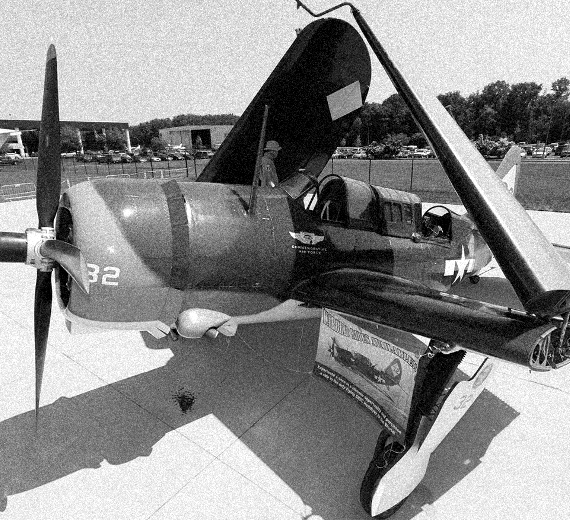
Curtiss SB2C Helldiver
First Flight 18 December 1940
Introduction December 1942

Curtiss Wright
Curtiss SB2C Helldiver
 |
|
| General information | |
|---|---|
| Type | Dive bomber |
| National origin | United States |
| Manufacturer | Curtiss-Wright |
| Built by |
|
| Primary users | United States Navy |
| Number built | 7,140 |
| History | |
| Manufactured | 1943–1945 |
| Introduction date | December 1942 |
| First flight | 18 December 1940 |
| Retired | 1959 (Italy) |
| Developed into | Curtiss XSB3C |
.
History Curtiss Wright
Curtiss SB2C Helldiver First Flight 18 December 1940
Introduction December 1942
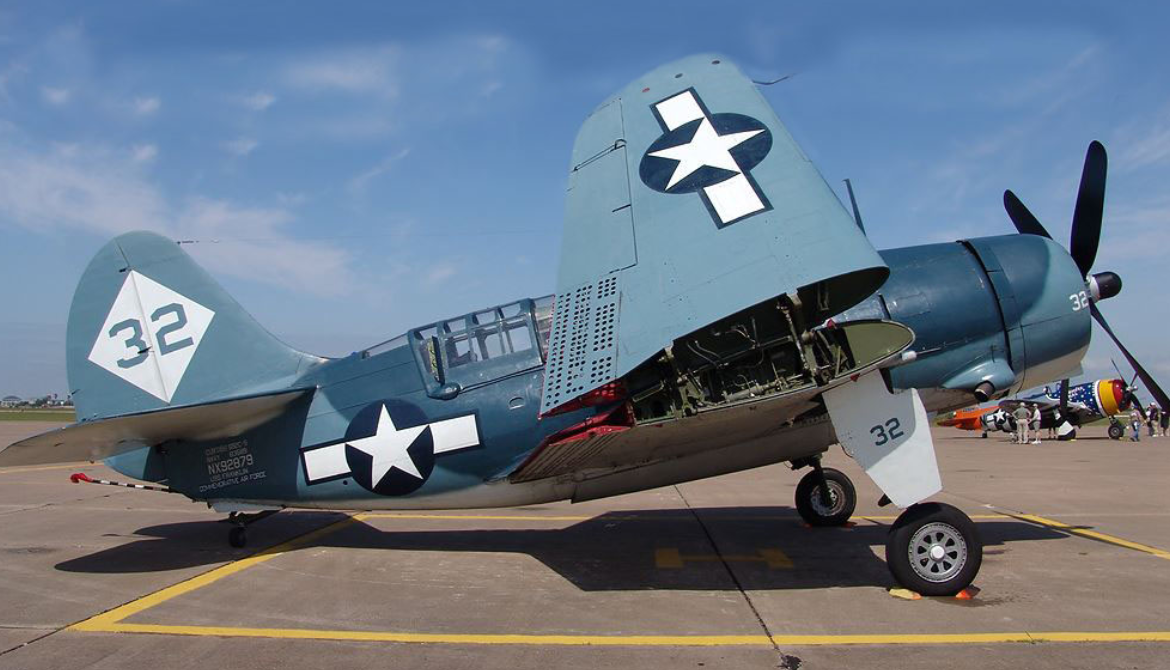
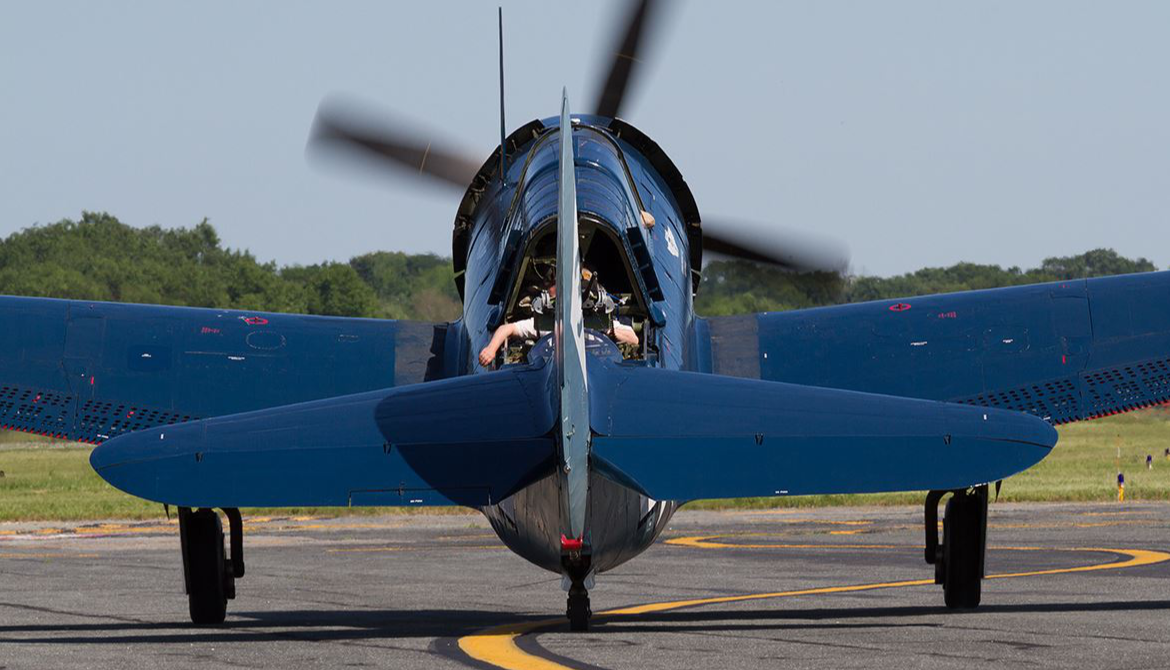
The Curtiss SB2C Helldiver is a dive bomber developed by Curtiss-Wright during World War II. As a carrier-based bomber with the United States Navy (USN), in Pacific theaters, it supplemented and replaced the Douglas SBD Dauntless. A few survivors are extant.
The Curtiss SB2C Helldiver is a dive bomber developed by Curtiss-Wright during World War II. As a carrier-based bomber with the United States Navy (USN), in Pacific theaters, it supplemented and replaced the Douglas SBD Dauntless. A few survivors are extant.
Initially poor handling characteristics and late modifications caused lengthy delays to production and deployment, to the extent that it was investigated by the Truman Committee, which turned in a scathing report. This contributed to the decline of Curtiss as a company. Neither pilots nor aircraft carrier skippers seemed to like it. Nevertheless, the type was faster than the Dauntless, and by the end of the Pacific War, the Helldiver had become the main dive bomber and attack aircraft on USN carriers.
Design and development

0
KmCeiling
0
KmCombat RANGE
0
Km/hAircraft Speed
0
Max Crew
Photo Gallery
Curtiss Wright
Curtiss SB2C Helldiver First Flight 18 December 1940
Introduction December 1942



Curtiss Wright
Curtiss SB2C Helldiver First Flight 18 December 1940
Introduction December 1942
General Info
-
-
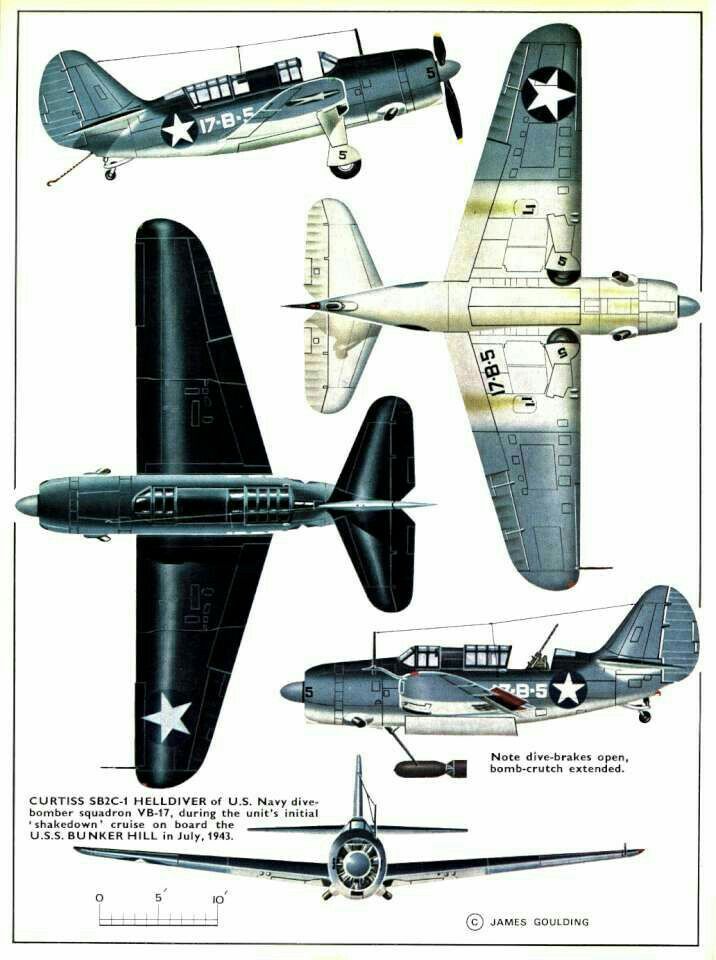
- Crew: 2
- Length: 36 ft 8 in (11.18 m)
- Wingspan: 49 ft 9 in (15.16 m)
- Height: 13 ft 2 in (4.01 m)
- Wing area: 422 sq ft (39.2 m2)
-
Powerplant
-
- Empty weight: 10,547 lb (4,784 kg)
- Gross weight: 16,616 lb (7,537 kg)
- Powerplant: 1 × Wright R-2600-20 Twin Cyclone 14-cylinder air-cooled radial piston engine, 1,900 hp (1,400 kW)
- Propellers: 4-bladed constant-speed propeller
-
Performance
- Maximum speed: 295 mph (475 km/h, 256 kn) at 16,700 ft (5,100 m)
- Cruise speed: 158 mph (254 km/h, 137 kn)
- Combat range: 1,165 mi (1,875 km, 1,012 nmi) with 1,000 lb (450 kg) bomb-load
- Service ceiling: 29,100 ft (8,900 m)
- Rate of climb: 1,800 ft/min (9.1 m/s
Armament
-
Guns: **2 × 20 mm (0.787 in) AN/M2 cannon in the wings
- 2 × 0.30 in (7.6 mm) M1919 Browning machine guns in the rear cockpit
- 4 X 0.50 in (13 mm) M2 Browning machine guns, two each in gunpods mounted on underwing hardpoints (optional)
- Rockets: 8 × 5 in (127 mm) High Velocity Aircraft Rockets
- Bombs: in internal bay: 2,000 lb (910 kg) of bombs or 1 × Mark 13-2 torpedo on underwing hardpoints: 500 lb (230 kg) of bombs each
Links to Youtube & Others
The MB-339 was developed during the 1970s in response to an Italian Air Force requirement that sought a replacement for the service's existing fleet of Aermacchi MB-326s.

Curtiss Wright
Curtiss SB2C Helldiver
Between 1949 and 1954, France bought 110 SB2C-5 Helldiver aircraft to replace their aging SBD-5 Dauntless that had been flying in combat in Vietnam.
Youtube Link
The Helldiver's service with the British resembled Australian experience with the type. A total of 26 aircraft, out of 450 ordered, were delivered to the Royal Navy's Fleet Air Arm, where they were known as the Helldiver I.
Read more in Curtiss Wright
.