Travel Air "Curtis Wright"
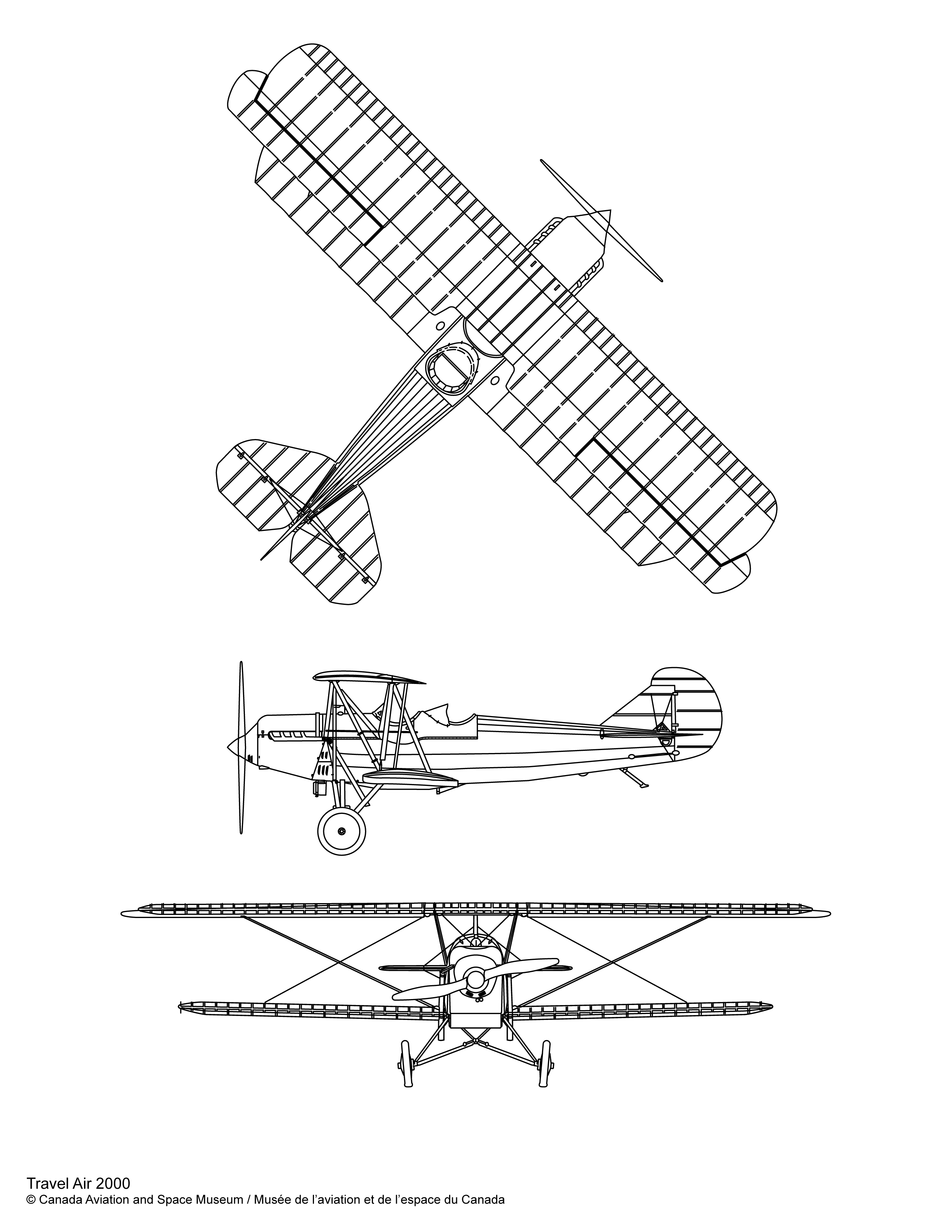
Travel Air 2000
First Flight 13 March 1925
Introduction 1925


Travel Air "Curtis Wright" Travel Air 2000
.jpg) |
|
| General information | |
|---|---|
| Type | Biplane aircraft |
| Manufacturer | Travel Air, Curtiss-Wright |
| Designer | Lloyd Stearman |
| Status | Retired |
| Primary user | Private owners, aerial sightseeing businesses |
| Number built | approx 1,300[1] |
| History | |
| Manufactured | 1925–1930 |
| Introduction date | 1925 |
| First flight | 13 March 1925 |
| Developed from | Travel Air Model B |
| Developed into | Paramount Cabinaire |
.
History Travel Air "Curtis Wright"
Travel Air 2000 First Flight 13 March 1925
Introduction 1925
The Travel Air 2000/3000/4000 (originally, the Model A, Model B and Model BH[1] were open-cockpit biplane aircraft produced in the United States in the late 1920s by the Travel Air Manufacturing Company. During the period from 1924–1929, Travel Air produced more aircraft than any other American manufacturer, including over 1,000 biplanes. While an exact number is almost impossible to ascertain due to the number of conversions and rebuilds, some estimates for Travel Air as a whole range from 1,200 to nearly 2,000 aircraft
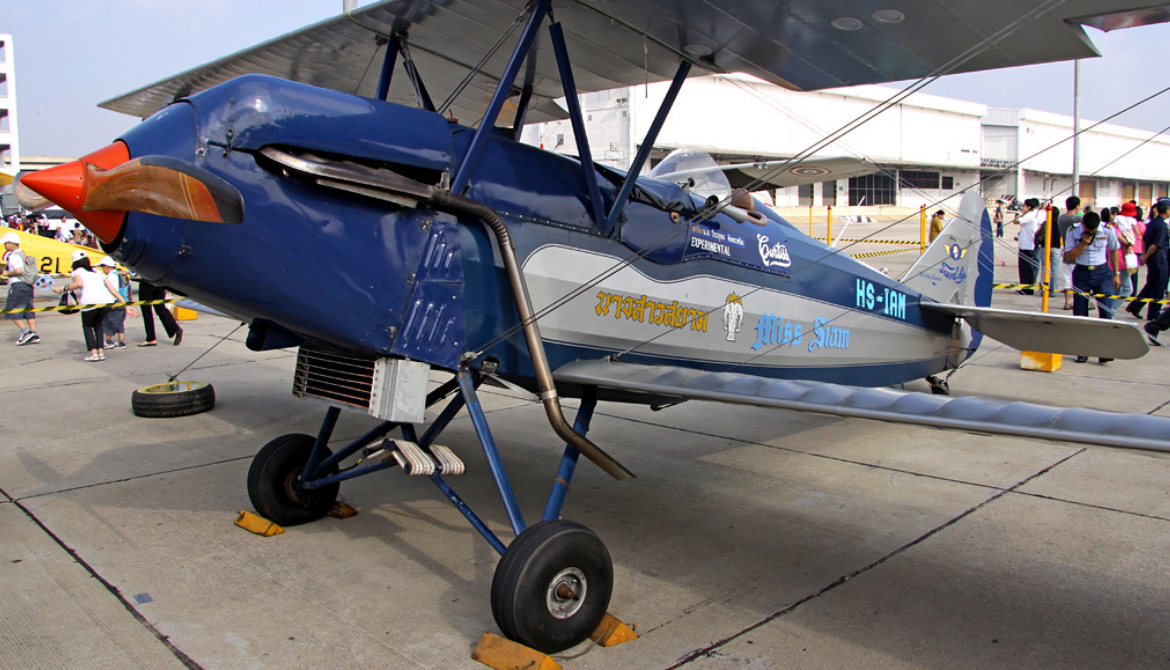
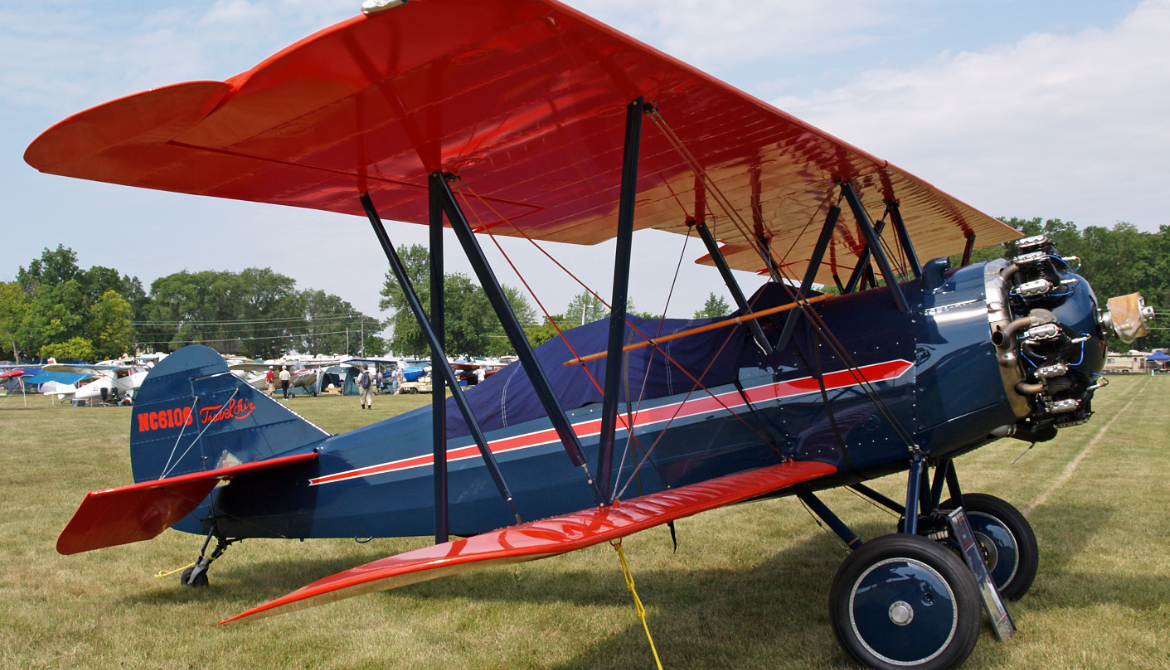
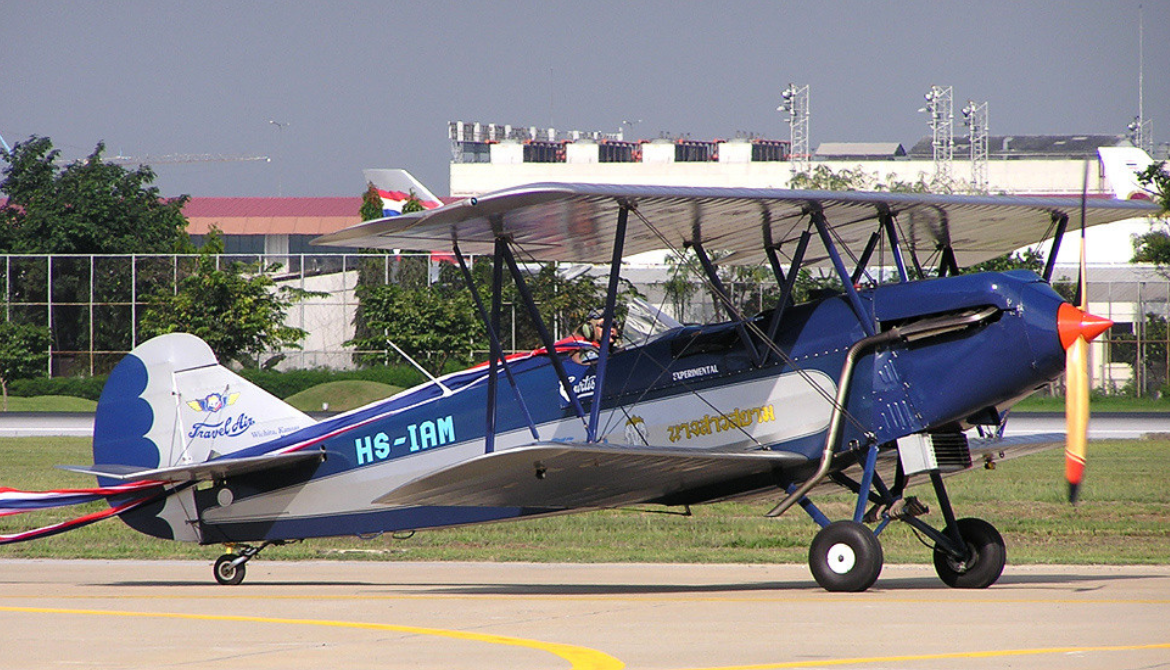
TThe Travel Air biplanes were conventional single-bay biplanes with staggered wings braced by N-struts. The fuselage was fabric-covered welded chromium-molybdenum alloy steel tubes, faired with wooden battens and they had two open cockpits in tandem, with the forward cockpit carrying two passengers side by side.
Variants
Date from Aerofiles


Early letter designations
Initially Travel Air assigned letters to each type, with a suffix denoting the engine.
-
- Model A
- 1925 Prototype, with WW1 style straight axle. 90 hp (67 kW) Curtiss OX-5 water-cooled V-8 engine
- Model B
- Similar to Model A with a split axle undercarriage, also fitted with a 90 hp (67 kW) Curtiss OX-5. Redesignated as 2000.
- Model BH
- 1926 Model B powered with a 150–180 hp (110–130 kW) Hispano-Suiza 8A or Wright model E water-cooled V-8 engine. Redesignated as 3000.
- Model BW
- 1926 Model B with a 200 hp (150 kW) Wright J-4 9-cylinder radial engine. Redesignated CW-4000
0
KmCeiling
0
KmCombat RANGE
0
Km/hAircraft Speed
0
Max Crew
Photo Gallery
Travel Air "Curtis Wright"
Travel Air 2000 First Flight 13 March 1925
Introduction 1925


Travel Air "Curtis Wright"
Travel Air 2000
General Info
-
-
- Crew: One
- Capacity: Two passengers
- Length: 24 ft 2 in (7.37 m)
- Upper wingspan: (10.57 m)
- Upper wing chord: 1.695 m)
- Lower wingspan: (8.74 m)
- Lower wing chord: .416 m)
- Height: 8 ft 11 in (2.72 m)
- Wing area: 297 sq ft (27.6 m2)
-
Powerplant
-
- Empty weight: 1,335 lb (606 kg)
- Gross weight: 2,180 lb (989 kg)
- Useful load: 845 lb (383 kg)
- Fuel capacity: 42 US gal (160 L
- Powerplant: 1 × Curtiss OX-5 water-cooled V8 engine, 90 hp
- Propellers: 2-bladed wooden fixed-pitch propeller
-
Performance
- Maximum speed: 100 mph (160 km/h, 87 kn)
- Cruise speed: 85 mph (137 km/h,
- Minimum control speed: 40 mph (64 km/h, 35 kn)
- Range: 425 mi (684 km, 369 nmi)
- Service ceiling: 10,000 ft (3,000 m) no load
- Rate of climb: 550 ft/min (2.8 m/s)
Aircraft of
comparable role
Links to Youtube & Others
In 1930, the Curtiss Wright Corporation purchased the Travel Air Company. After the final model 6000 was developed, Stearman, Cessna, and Beech would go on to contribute much to American aviation history with their own individual companies.

Travel Air "Curtis Wright"
Travel Air 2000
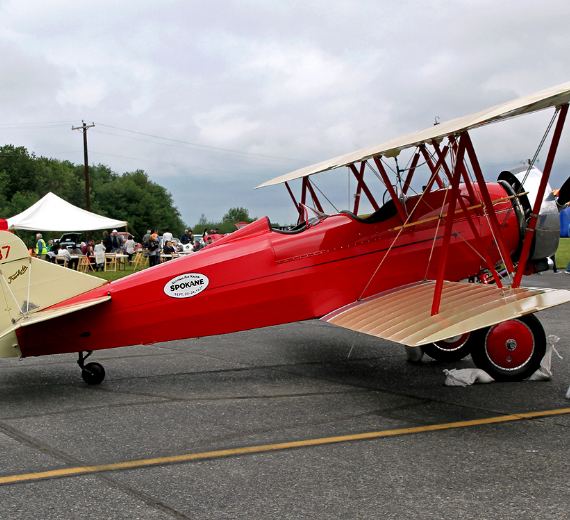
In 1924, Lloyd Stearman, Clyde Cessna, and Walter Beech formed the Travel Air Manufacturing Company in Wichita, Kansas.
Youtube Link
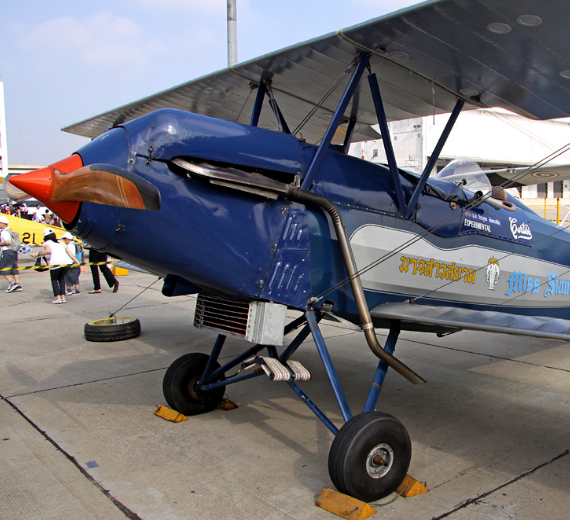
A later model, the Travel Air 2000, was built with horn-balanced control surfaces, which were copied from the famous Fokker D-VII fighter from World War I.
Read more in Travel Air "Curtiss"