


 |
|
| General information | |
|---|---|
| Type | Multi-purpose aircraft |
National origin Argentina
Manufacturer Fabrica Militar de Aviones (FMA)
First flight 26 April 1963
Introduction 1966
Retired 7 January 2007
Status Retired
Primary user Fuerza Aérea Argentina
Number built 3 prototypes + 32 series aircraft
Developed from IAe 35 Huanquero
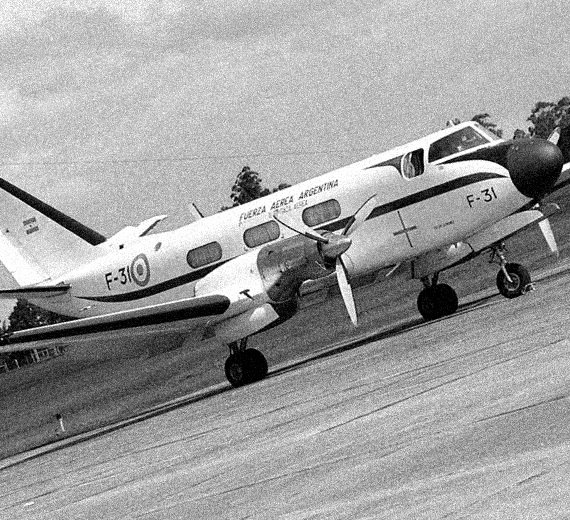
In the early 1960s, the Argentine state aviation conglomerate, DINFIA, realised that its IA 35 Huanquero twin-piston engined light transport was becoming outdated, and it was decided to develop a turboprop-engined derivative. While of similar layout to the Huanquero, with both aircraft being twin-engined low-wing monoplane of all metal construction with a twin tail, the new aircraft, the Guaraní, shared only 20% of the structure of the Huanquero. It was powered by two Turbomeca Bastan III engines each rated at 850 shaft horsepower (630 kW). It first flew on 6 February 1962
The aircraft was further developed as the Guaruani II; the main difference being a single swept fin and a shortened rear fuselage. It also used more powerful (930 shaft horsepower (690 kW)) Bastan VIA engines. The fuselage was semi-monocoque with a squared cross-section, having unswept wings and swept tailplanes. The prototype Guaraní was rebuilt to this standard and flew in this form on 26 April 1963Ceiling
MAX RANGE
Aircraft Speed
Max Crew

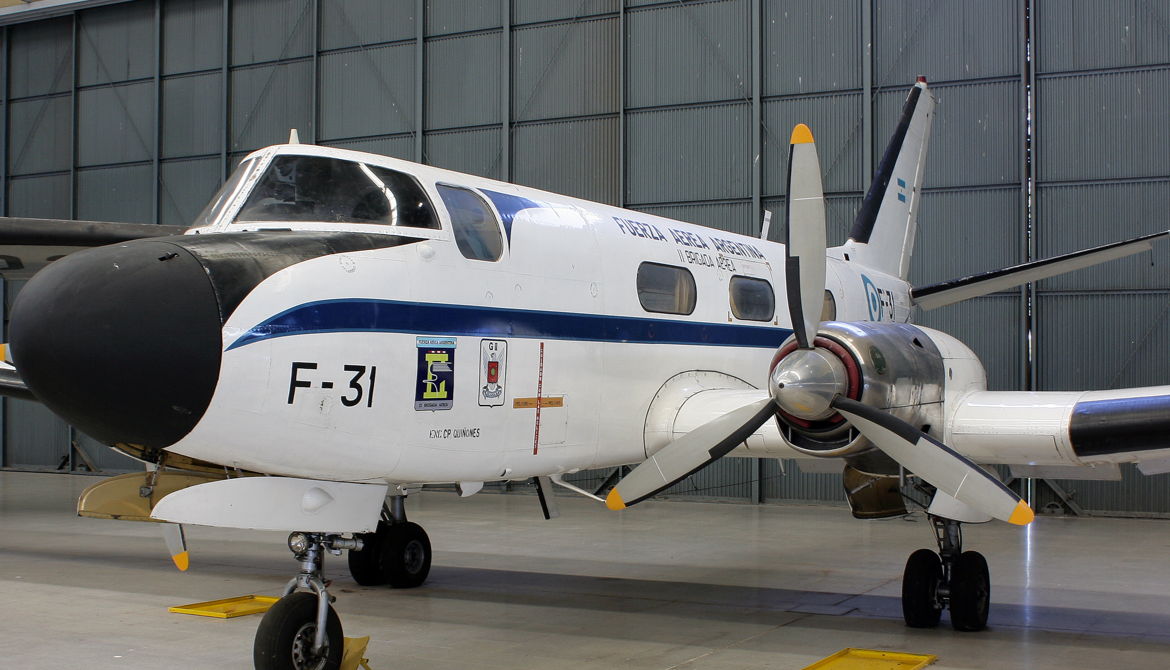
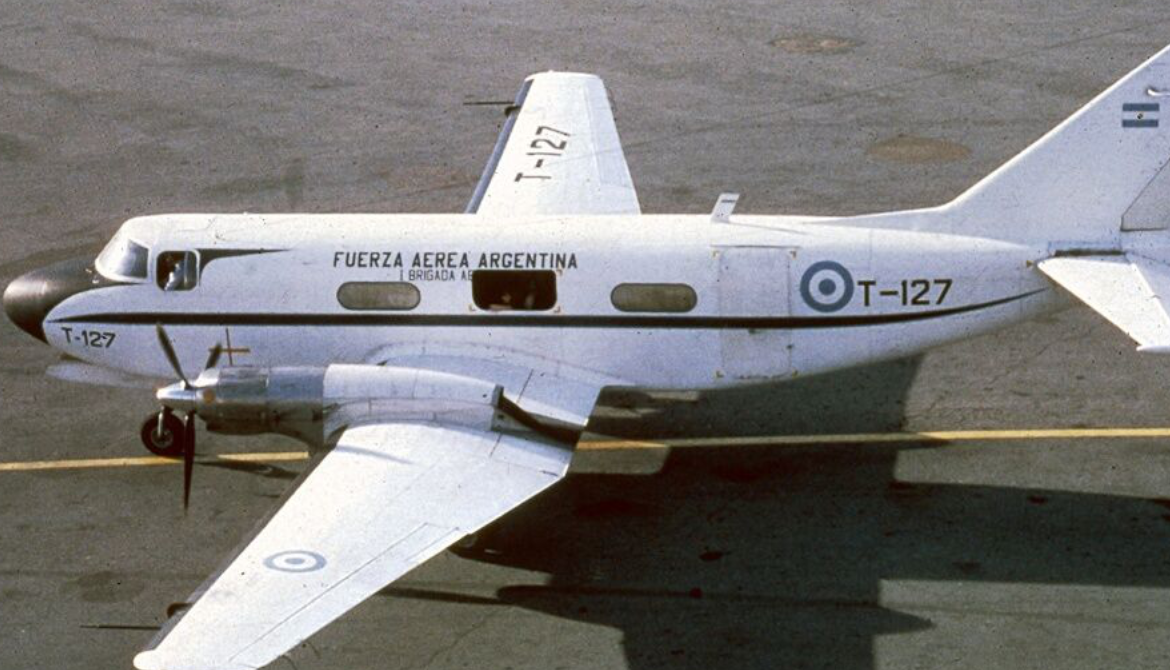


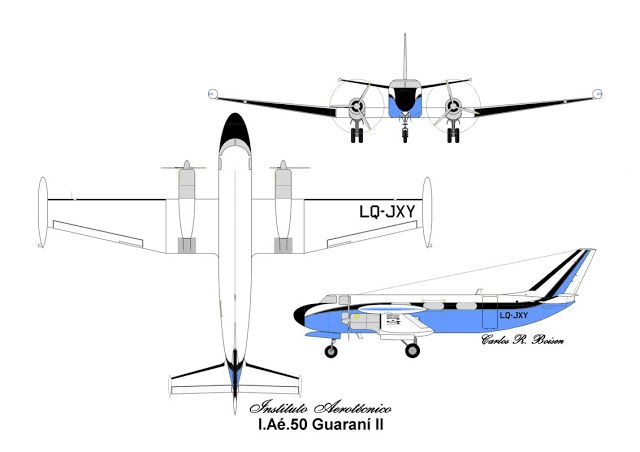
The Guarani II was developed from it and the prototype flew for the first time on 23 April 1963. It was placed in production for the Argentinian Air Force for communications, photographic (with the Military Geographic Institute) and executive transport duties,

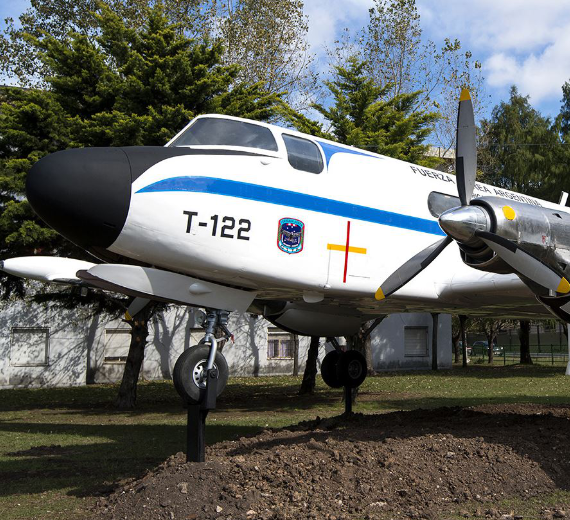
The Guarani I light transport first flew in prototype form on 6 February 1962





.svg.png)