
AIDC T-5 Brave Eagle (Chinese: 勇鷹; pinyin: Yǒngyīng) is a Taiwanese transonic advanced jet trainer
Introduction 2021

AIDS Aviation Inc.
AIDC T-5 Brave Eagle
.jpg) |
|
| A1 Prototype | |
| Role | Advanced jet trainer/ light attack |
|---|---|
| National origin | Taiwan |
| Manufacturer | Aerospace Industrial Development Corporation |
| Designer | Aerospace Industrial Development Corporation and National Chung-Shan Institute of Science and Technology |
| First flight | June 10, 2020 |
| Introduction | 2021 |
| Status | In service |
| Primary user | Republic of China Air Force |
| Produced | 2020-Present |
| Number built | 4 prototypes and 43 serials (March 2025) |
| Developed from | AIDC F-CK-1 Ching-kuo |
|
|
|---|
.
History AAIDC T-5 Brave Eagle (Chinese: 勇鷹; pinyin: Yǒngyīng)
is a Taiwanese transonic advanced jet trainer
Introduction 2021,
The Advanced Jet Trainer Program (AJT) began in the early 2000s as the Republic of China Air Force sought a replacement for its fleet of AIDC AT-3 and Northrop F-5 advanced trainers with 66 newly built aircraft. Three designs were proposed, a modernized, upgraded version of AT-3 branded as the AT-3 MAX, an evolution of the AIDC F-CK-1 Ching-Kuo combat aircraft to be called the XAT-5, or the Italian Alenia Aermacchi M-346 Master. In 2014 AIDC signed a memorandum of understanding with Alenia Aermacchi to assemble the M-346 in Taiwan. The engines of all M-346 are assembled in Taiwan by International Turbine Engine Company (ITEC), a joint partnership of Honeywell and AIDC. The MOD also evaluated the South Korean KAI T-50 Golden Eagle aircraft. In 2017 it was announced that the XAT-5 had won the tender with development and production to be undertaken by a partnership of AIDC and the National Chung-Shan Institute of Science and Technology with delivery scheduled to begin in 2026. Four prototypes are to be produced and the total program cost is projected to be TWD68.6 billion (US$2.2 billion)
Design
.jpg)
.jpg)
Production
In 2017, the United States approved the export of components for 132 Honeywell/ITEC F124 engines for the XAT/AT-5. In 2018, AIDC announced that the first prototype would be rolled out in September 2019 with flight tests to start in June 2020. In 2019 Taiwan’s Ministry of National Defense testified to the country’s legislature that the maiden flight is scheduled for June 2020, small scale production is to start in November 2021, and mass production is scheduled to commence March 2023.
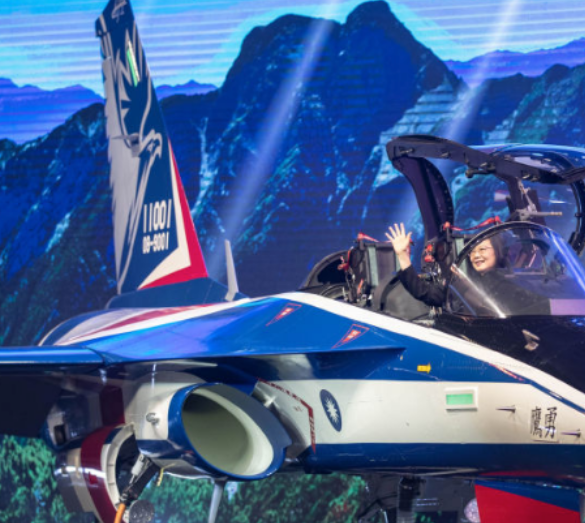
In September 2019 A1, the first of four prototypes, was rolled out by Taiwanese President Tsai Ing-wen
.jpg)
former Taiwanese President Tsai Ing-wen sits in a prototype at rollout . Wiki Link
0
KmCeiling
0
KmMAX RANGE
0
MachSea Level
0
Max Crew
Photo Gallery
AIDC T-5 Brave Eagle (Chinese: 勇鷹; pinyin: Yǒngyīng)
is a Taiwanese transonic advanced jet trainer
Introduction 2021


AIDC T-5 Brave Eagle (Chinese: 勇鷹; pinyin: Yǒngyīng)
is a Taiwanese transonic advanced jet trainer
Introduction 2021
T-5 Brace Eagle Advanced Trainer
-
A1 Prototype Role Advanced jet trainer/ light attack National origin Taiwan Manufacturer Aerospace Industrial Development Corporation Designer and First flight June 10, 2020 Introduction 2021 Status In service Primary user Republic of China Air Force Produced 2020-Present Number built 4 prototypes and 43 serials (March 2025) Developed from AIDC F-CK-1 Ching-kuo
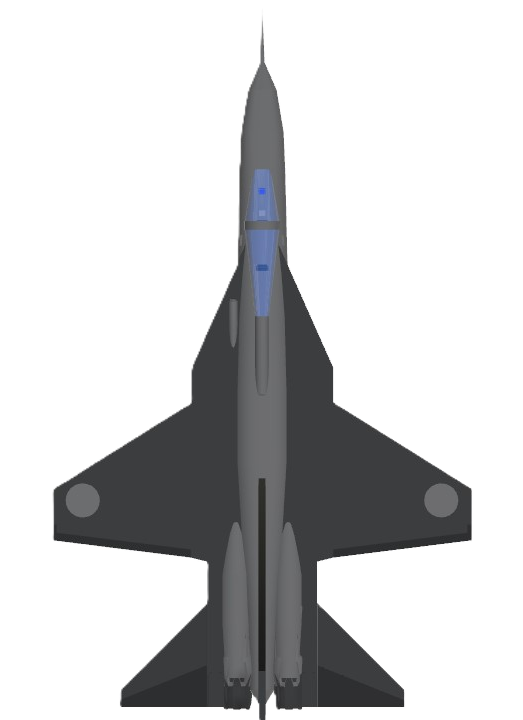
General Info
- Crew: two
- Length: 14.5 m (47.6 ft)
- Wingspan: 9.2 m (30.3 ft)
- Height: 4.39 m (14 ft 5 in)
- Empty weight: 4,500 kg (9,921 lb)
- Max takeoff weight: 7,500 kg
- Powerplant: 2 × Honeywell/ITEC F124-200TW turbofan, 27.8 kN thrust each
- Maximum speed: 1,030 km/h
- Cruise speed: 1,013 km/h
- Range: 1,350 km (839 mi, 729 nmi)
- Ferry range: 1,350 km
- Service ceiling: 13,000 m
- Rate of climb: 48 m/s
- Hardpoints: 2 , with provisions to carry combinations of:
- Missiles: Sky Sword I, AIM-9 and AGM-65
Performance
Armament
Links to Youtube & Others
Avionics and sensors NCSIST is developing an airborne AESA radar for the T-5 Brave Eagle but private Taiwanese firm Tron Future Tech has also bid their gallium nitride based AESA for the program. In 2019 it was announced that Pyras Technology would supply the radar and communications antennas for the platform.

Youtube Link
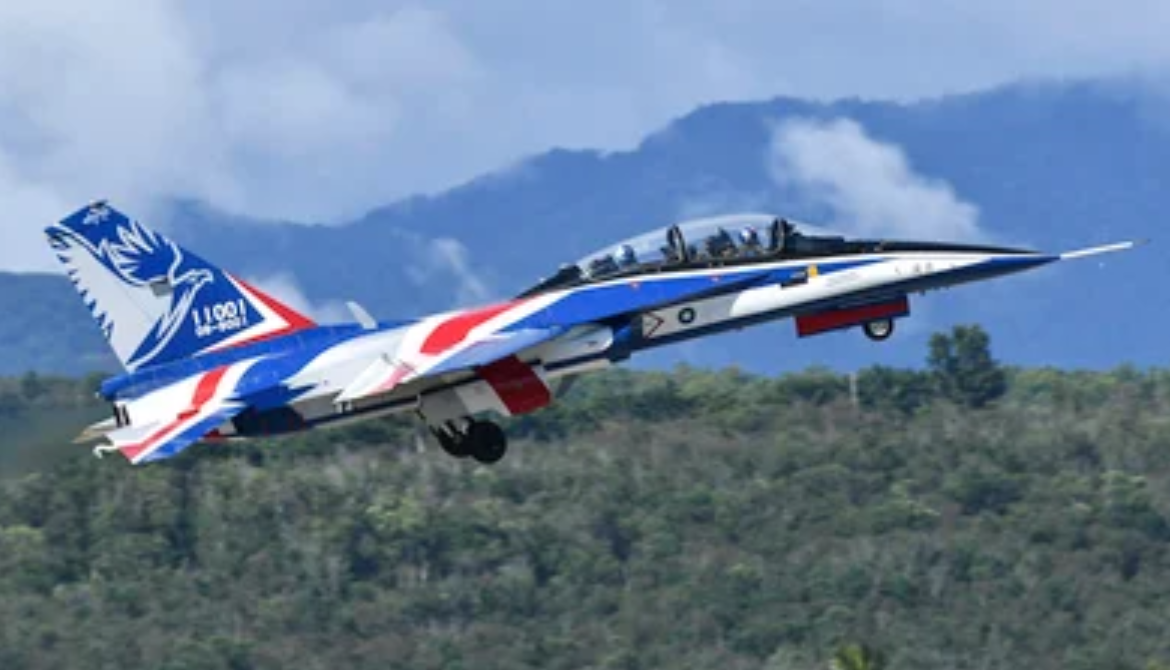
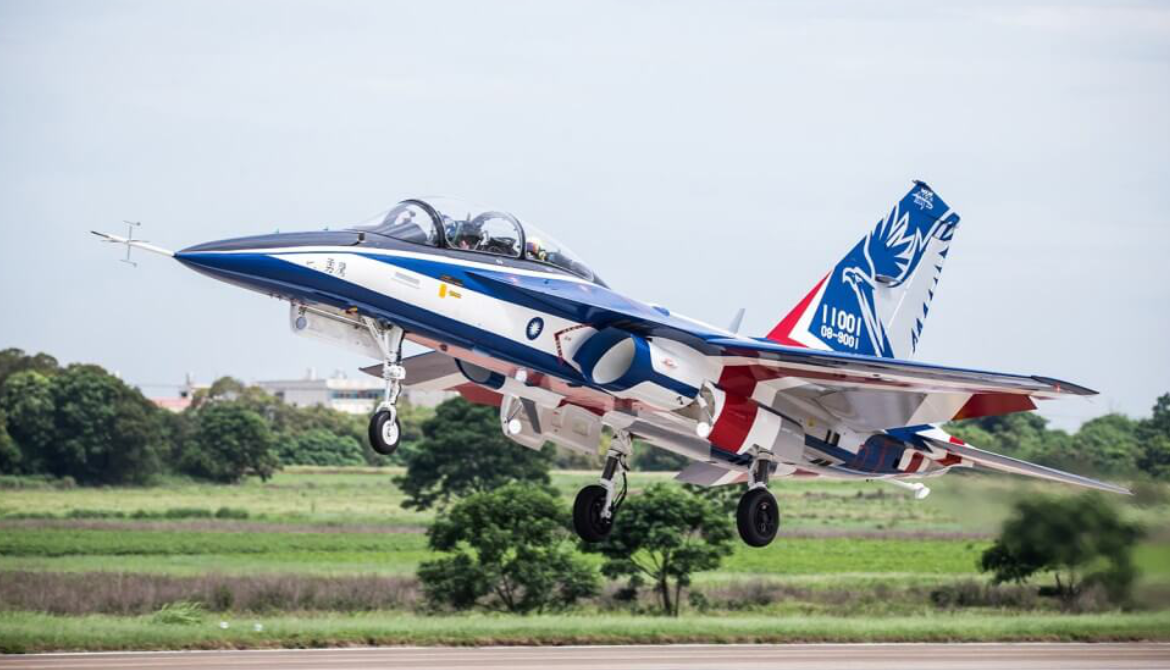
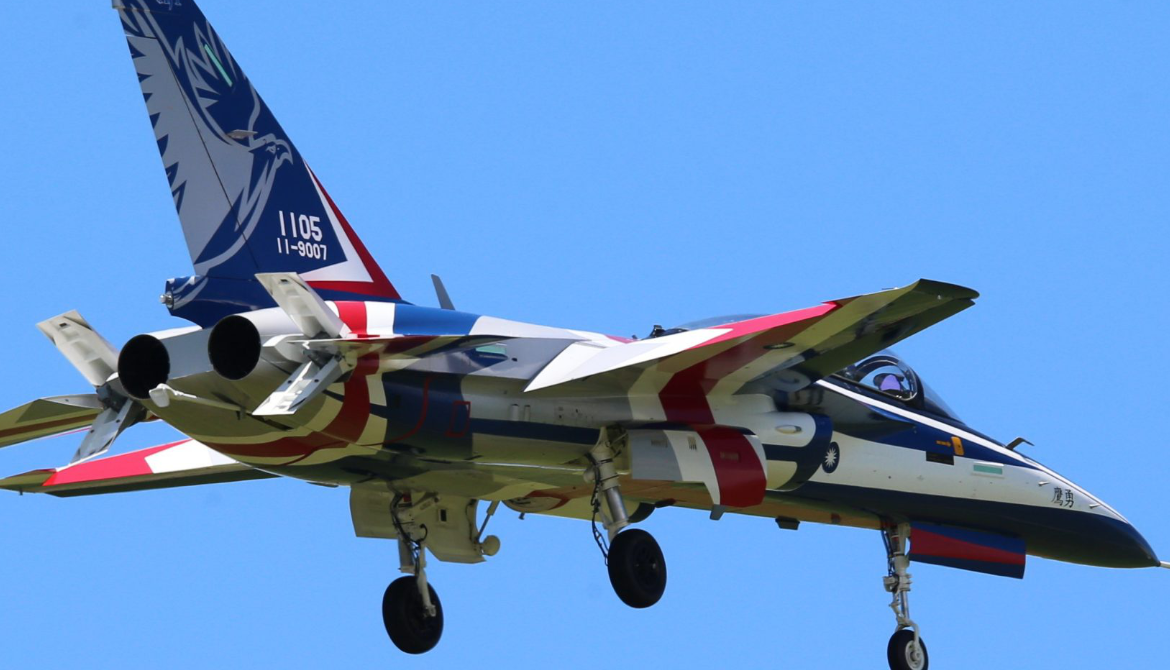
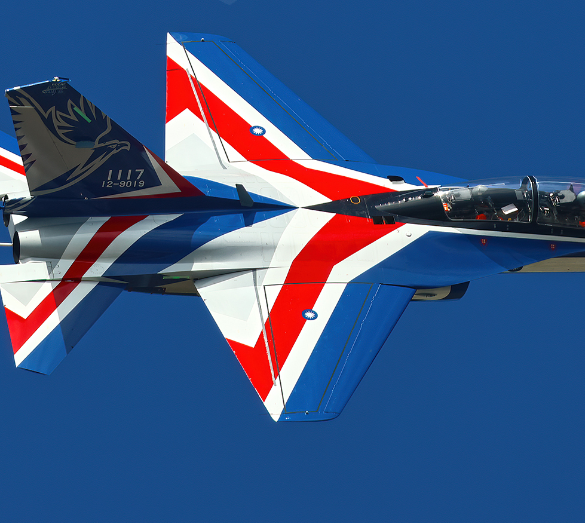
The design is based on the AIDC F-CK-1 Ching-kuo and shares the same engines, but has 80% new components including a composite body
Read more in AIDC F-CK-1 Ching-Kuo Indigenous Defense Fighter (IDF)



.png)
.svg.png)