Heading 3
Japan JASDF Wikipedia linkThe Japan Air Self-Defense Force (Japanese: 航空自衛隊, Hepburn: Kōkū Jieitai), JASDF (空自, Kūji), also referred to as the Japanese Air Force, is the air and space branch of the Japan Self-Defense Forces, responsible for the defense of Japanese airspace, other air and space operations, cyberwarfare and electronic warfare. The JASDF carries out combat air patrols around Japan, while also maintaining a network of ground and air early-warning radar systems. The branch also has an aerobatic team known as Blue Impulse and has provided air transport in UN peacekeeping missions.
Amazing Japan JASDF Self defence force.
The JASDF had an estimated 49,913 personnel as of 2018, and as of 2023 operates about 712 aircraft, approximately 321 of them being fighter aircraft.The service will be renamed in 2027 to the Japan Air and Space Self-Defense Force (航空宇宙自衛隊, Kōkū Uchū Jieitai), in recognition of the increasing importance of the space domain
JASDF "Japan"
History

Japan did not have a separate air force before and during World War II. Aviation operations were carried out by the Imperial Japanese Army Air Service and the Imperial Japanese Navy Air Service (Kōkūtai). Following defeat in World War II, the Imperial Japanese Army and Navy (including their respective Air Services) were disbanded in 1945.[]
Under the supervision of the United States occupation authorities, a pacifist Japanese government was appointed in place of the militaristic governments that administered the Empire of Japan during the war.[] The new government drafted a postwar constitution. While the primary intent of this endeavor was to place the country's political structure on a firmly democratic footing, the constitution endorsed by the United States and ratified by the Diet of Japan in 1947 also contained Article 9 which strictly prohibited Japan from having a regular military.[]
The U.S. occupation formally ended in 1952, although large American garrison remained in Japan to defend the country. The victory of the Chinese Communist Party in the Chinese Civil War and the onset of the Korean War led the Americans to reconsider what role the Japanese could be expected to play in, at the very least, defending their own home islands against growing Chinese, Soviet and North Korean power in the region. Under U.S. guidance, on 1 July 1954 the National Security Board was reorganized as the Defense Agency, and the National Security Force was reorganized afterwards as the Japan Ground Self-Defense Force
Created in 1954
|
|||||||||||||||||||||||||||||||||||||


|
|
|
|
|
|---|
Aircraft Inventory Japan AirForce JASDF
Japan Air and Space Self-Defense Force (航空宇宙自衛隊, Kōkū Uchū Jieitai)
Current fleet
| Current Aircraft | |||||||||||||||||||||||||||||||||||||||||||||||||||||||||||||||||||||||||||||||||||||||||||||||||||||||||||||||||||||||||||||||||||||||||||||||||||||||||||||||||||||||||||||||||||||||||||||||||||||||||||||||||||||||||||||
|---|---|---|---|---|---|---|---|---|---|---|---|---|---|---|---|---|---|---|---|---|---|---|---|---|---|---|---|---|---|---|---|---|---|---|---|---|---|---|---|---|---|---|---|---|---|---|---|---|---|---|---|---|---|---|---|---|---|---|---|---|---|---|---|---|---|---|---|---|---|---|---|---|---|---|---|---|---|---|---|---|---|---|---|---|---|---|---|---|---|---|---|---|---|---|---|---|---|---|---|---|---|---|---|---|---|---|---|---|---|---|---|---|---|---|---|---|---|---|---|---|---|---|---|---|---|---|---|---|---|---|---|---|---|---|---|---|---|---|---|---|---|---|---|---|---|---|---|---|---|---|---|---|---|---|---|---|---|---|---|---|---|---|---|---|---|---|---|---|---|---|---|---|---|---|---|---|---|---|---|---|---|---|---|---|---|---|---|---|---|---|---|---|---|---|---|---|---|---|---|---|---|---|---|---|---|---|---|---|---|---|---|---|---|---|---|---|---|---|---|---|---|
|
|||||||||||||||||||||||||||||||||||||||||||||||||||||||||||||||||||||||||||||||||||||||||||||||||||||||||||||||||||||||||||||||||||||||||||||||||||||||||||||||||||||||||||||||||||||||||||||||||||||||||||||||||||||||||||||
|
|
|||||
|---|---|---|---|---|---|
|
|||||||||||||||||||||||||||||||||||||||||||||||||||||||||||||||||||||||||||||||||||||||||||||||||||||||||||||||||||||||||||||||||||||||||||||||||||||||||||||||||||||||||||||||||||||||||||||||||||||||||||||||||||||||||||||||||||||||||||||||||||||||
|---|---|---|---|---|---|---|---|---|---|---|---|---|---|---|---|---|---|---|---|---|---|---|---|---|---|---|---|---|---|---|---|---|---|---|---|---|---|---|---|---|---|---|---|---|---|---|---|---|---|---|---|---|---|---|---|---|---|---|---|---|---|---|---|---|---|---|---|---|---|---|---|---|---|---|---|---|---|---|---|---|---|---|---|---|---|---|---|---|---|---|---|---|---|---|---|---|---|---|---|---|---|---|---|---|---|---|---|---|---|---|---|---|---|---|---|---|---|---|---|---|---|---|---|---|---|---|---|---|---|---|---|---|---|---|---|---|---|---|---|---|---|---|---|---|---|---|---|---|---|---|---|---|---|---|---|---|---|---|---|---|---|---|---|---|---|---|---|---|---|---|---|---|---|---|---|---|---|---|---|---|---|---|---|---|---|---|---|---|---|---|---|---|---|---|---|---|---|---|---|---|---|---|---|---|---|---|---|---|---|---|---|---|---|---|---|---|---|---|---|---|---|---|---|---|---|---|---|---|---|---|---|---|---|---|---|---|---|---|---|---|---|---|---|---|---|---|---|

Photo Gallery
Japan JASDF Self defence force.


Historical famous Airforce
Imperial Japanese Army Air Service 1912–1945
Historical AF Imperial Japan


Imperial Japanese Army Air Service
| Imperial Japanese Army Air Service | |
|---|---|
| 大日本帝國陸軍航空部隊 Dainippon Teikoku Rikugun Kōkūbutai |
|
 Rising Sun Flag Wikipedia Link |
|
| Active | 1912–1945 |
| Country |
 Empire of Japan Empire of Japan
|
| Branch |
 Imperial Japanese Army Imperial Japanese Army
|
| Type | Air force |
| Role | Aerial warfare |
| Part of | Armed Forces of the Empire of Japan |
| Engagements |
World War I
Mukden Incident Sino-Japanese War II Battles of Khalkhin Gol World War II |
| Commanders | |
| Ceremonial chief |
 Emperor of Japan Emperor of Japan
|
| Notablecommanders | Hajime Sugiyama Prince Naruhiko Higashikuni Shunroku Hata Masakazu Kawabe |
| Insignia | |
| Roundel | .svg) |
The Imperial Japanese Army Air Service (IJAAS) or Imperial Japanese Army Air Force (IJAAF; Japanese: 大日本帝國陸軍航空部隊, romanized: Dainippon Teikoku Rikugun Kōkūbutai, lit. 'Greater Japan Empire Army Air Corps') was the aviation force of the Imperial Japanese Army (IJA). Its primary mission was to provide tactical close air support for ground forces, as well as a limited air interdiction capability. The IJAAS also provided aerial reconnaissance to other branches of the IJA. While the IJAAS engaged in strategic bombing of cities such as Shanghai, Nanjing, Canton, Chongqing, Rangoon, and Mandalay, this was not the primary mission of the IJAAS, and it lacked a heavy bomber force.
It did not usually control artillery spotter/observer aircraft; artillery battalions controlled the light aircraft and balloons that operated in these roles.
The Imperial Japanese Navy Air Service was responsible for long-range bomber and attack aircraft, as well as strategic air defense. It was not until the later stages of the Pacific War that the two air arms attempted to integrate the air defense of the home islands.
-
Fighters
- Nakajima Ki-27 中島 キ27 九七式戦闘機 (Type 97 Fighter) 'Nate'
- Nakajima Ki-43 中島 キ43 一式戦闘機 隼 (Type 1 Fighter "Hayabusa") 'Oscar'
- Nakajima Ki-44 中島 キ44 二式戦闘機 鍾馗 (Type 2 Fighter "Shōki") 'Tojo'
- Kawasaki Ki-45 Kai 川崎 キ45改 二式複座戦闘機 屠龍 (Type 2 Two-seat Fighter "Toryū") 'Nick'
- Kawasaki Ki-61 川崎 キ61 三式戦闘機 飛燕 (Type 3 Fighter "Hien") 'Tony'
- Nakajima Ki-84 中島 キ84 四式戦闘機 疾風 (Type 4 Fighter "Hayate") 'Frank'
- Kawasaki Ki-100 川崎 キ100 五式戦闘機 (Type 5 Fighter)
- Mitsubishi Ki-109 三菱 キ109 試作特殊防空戦闘機 (Experimental heavy fighter interceptor)
Bombers
- Mitsubishi Ki-21 三菱 キ21 九七式重爆撃機 (Type 97 Heavy Bomber) 'Sally'
- Mitsubishi Ki-30 三菱 キ30 九七式軽爆撃機 (Type 97 Light Bomber) 'Ann'
- Kawasaki Ki-32 川崎 キ32 九八式軽爆撃機, (Type 98 Light Bomber) 'Mary'
- Kawasaki Ki-48 川崎 キ48 九九式双軽爆撃機 (Type 99 Twin-engined Light Bomber) 'Lily'
- Nakajima Ki-49 中島 キ49 一〇〇式重爆撃機 呑龍 (Type 100 Heavy Bomber "Donryū") 'Helen'
- Mitsubishi Ki-67 三菱 キ67 四式重爆撃機 飛龍 (Type 4 Heavy Bomber "Hiryū") 'Peggy'
Aircraft strength 1941 Imperial Japan Navy IJNAS
The IJNAS had over 3,089 aircraft in 1941 and 370 trainers.
- 1,830 first-line aircraft including:
- 660 fighters, including 350 Mitsubishi Zeros
- 330 carrier-based strike aircraft
- 240 land-based, twin-engined bombers
- 520 seaplanes (includes fighters and reconnaissance) and flying boats.
- 1,830 first-line aircraft including:

.
Famous Aircraft Japan JASDF Self defence force.
Japan JASDF Self defence force. amazing aircraft of the past.
Learn MoreBelgian Air Component Logo
Role of Air Self Defense Forcs, Organization, What is JASDF?, Missions, Efforts to protect Japan.
FArman Biplane
The Vickers VC10 is a mid-sized, narrow-body long-range British jet airliner.
Nakajima Hayabusa
Lorem ipsum dolor sit amet, consectetur adipiscing elit. Nullam vitae congue tortor.
Mitsubishi F2 Viper
Lorem ipsum dolor sit amet, consectetur adipiscing elit. Nullam vitae congue tortor.
NAMC YS-11EB Electronic
Lorem ipsum dolor sit amet, consectetur adipiscing elit. Nullam vitae congue tortor.
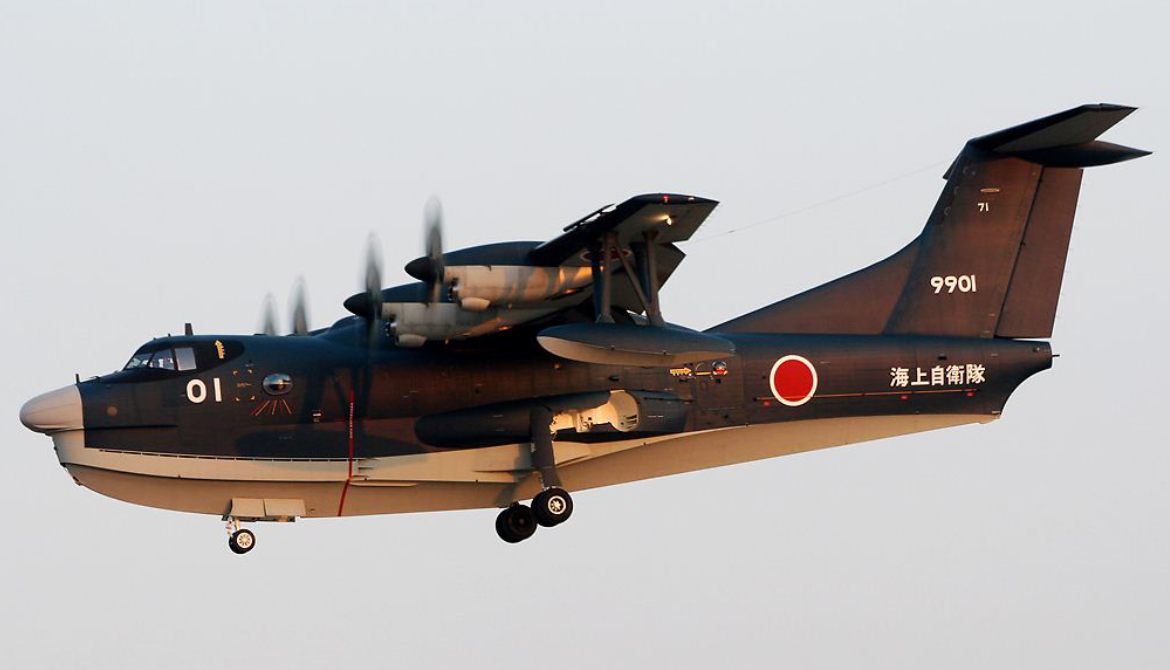
Shin Maywa US2 Flying Boat
Lorem ipsum dolor sit amet, consectetur<br> adipiscing elit. Nullam vitae congue
Nakajima Ki-43 Hayabusa (隼, "Peregrine falcon"), formal Japanese designation Army Type 1 Fighter
General characteristics
-

General information Type Fighter aircraft National origin Japan Manufacturer Nakajima Aircraft Company Primary users Imperial Japanese Army Air Service Number built 5,919 History Manufactured 1939–1945 Introduction date October 1941 First flight Early January 1939 Retired - 1945 (Japan)
- 1952 (China)


Specifications
- Crew: One
- Length: 8.92 m (29 ft 3 in)
- Wingspan: 10.84 m (35 ft 7 in)
- Height: 3.27 m (10 ft 9 in)
- Wing area: 21.4 m2 (230 sq ft)
- Empty weight: 1,910 kg (4,211 lb)
- Gross weight: 2,590 kg (5,710 lb)
- Max takeoff weight: 2,925 kg
- Powerplant: 1 × Nakajima Ha-115 14-cylinder air-cooled radial piston engine, 970 kW (1,300 hp) for take-off
-
-
- Maximum speed: 530 km/h (330 mph, 290 kn) at 4,000 m (13,000 ft)
- Cruise speed: 440 km/h
- Range: 1,760 km (1,090 mi, 950 nmi)
- Service ceiling: 11,200 m
Performance