
Hawker Siddeley Aircraft
Hawker Sea Fury Manufactured 1945–1955 First flight 1 September 1944 (Fury)
21 February 1945 (Sea Fury)
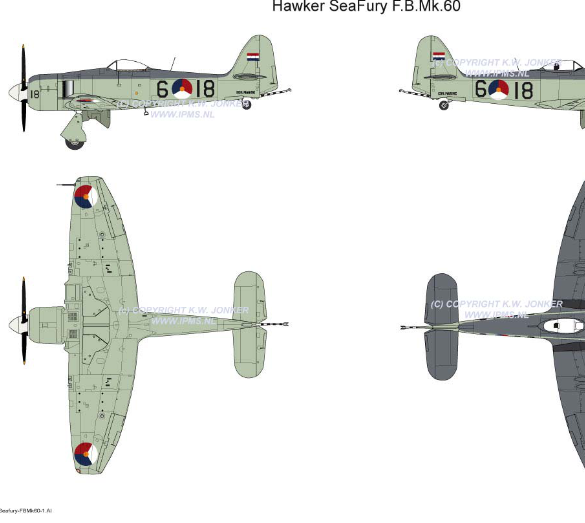

Hawker aircraft Ltd. Hawker Seafury FB.11
|
|||||||||||||||||||||||||||||
_(35902999510).jpg)
|
|
|---|
.
History Hawker Siddeley Aircraft
Hawker Sea Fury Manufactured 1945–1955
First flight 1 September 1944 (Fury) 21 February 1945 (Sea Fury)

The Hawker Sea Fury is a British fighter aircraft designed and manufactured by Hawker Aircraft. It was the last propeller-driven fighter to serve with the Royal Navy. Developed during the Second World War, the Sea Fury entered service two years after the war ended. It proved to be a popular aircraft with overseas militaries and was used during the Korean War in the early 1950s, and by the Cuban air force during the 1961 Bay of Pigs Invasion.
The development of the Sea Fury began in 1943 in response to a wartime requirement of the Royal Air Force (RAF), with the aircraft first named Fury. As the Second World War drew to a close, the RAF cancelled its order for the aircraft. The Royal Navy saw the type as a suitable carrier aircraft to replace a range of obsolescent and stop-gap aircraft being operated by the Fleet Air Arm. Development of the Sea Fury proceeded, and the type entered operational service in 1947.
The Sea Fury has many design similarities to Hawker's preceding Tempest fighter, having originated from a requirement for a "Light Tempest Fighter". The Sea Fury's wings and fuselage originated from the Tempest but were significantly modified.
Design

The Sea Fury is a navalised aircraft, capable of operating from the aircraft carriers of the Royal Navy. It was heavily based on preceding Hawker fighter aircraft, particularly the Tempest; features such as the semi-elliptical wing and fuselage were derived directly from the Tempest but featured significant refinements, including significant strengthening to withstand the stresses of carrier landings. While the Sea Fury was lighter and smaller than the Tempest, advanced aspects of the Sea Fury's design such as its Centaurus engine meant it was also considerably more powerful and faster, making it the final and fastest of Hawker's reciprocating engine aircraft.
The Sea Fury Mk X was capable of attaining a maximum speed of 460 mph and climb to a height of 20,000 feet in under five minutes. The Sea Fury was reportedly a highly aerobatic aircraft with favourable flying behaviour at all heights and speeds, although intentional spinning of the aircraft was banned during the type's military service During flight displays, the Sea Fury could demonstrate its ability to perform rapid rolls at a rate of 100 degrees per second, attributed to the spring tab equipped ailerons. For extra thrust on takeoff Jet Assisted Take-Off (JATO) could be used.

The Sea Fury was powered by the newly developed Bristol Centaurus reciprocating engine, which drove a five-bladed propeller. Many of the engine's subsystems, such as the fully automated cooling system, cockpit gauges, and fuel booster pump were electrical, powered by an engine-driven generator supplemented by two independent batteries. The hydraulic system, necessary to operate the retractable undercarriage, tail hook, and flaps, was pressurised to 1,800 psi by an engine-driven pump. If this failed, a hand pump in the cockpit could also power these systems. A pneumatic pump was driven by the engine for the brakes. Internal fuel was stored in a total of five self-sealing fuel tanks, two within the fuselage directly in front of the cockpit and three housed within the wings.
0
KmCeiling
0
KmCombat RANGE
0
KM/hAircraft Speed
0
Max Crew
Photo Gallery
Hawker Siddeley Aircraft
Hawker Sea Fury Manufactured 1945–1955 First flight
1 September 1944 (Fury) 21 February 1945 (Sea Fury)

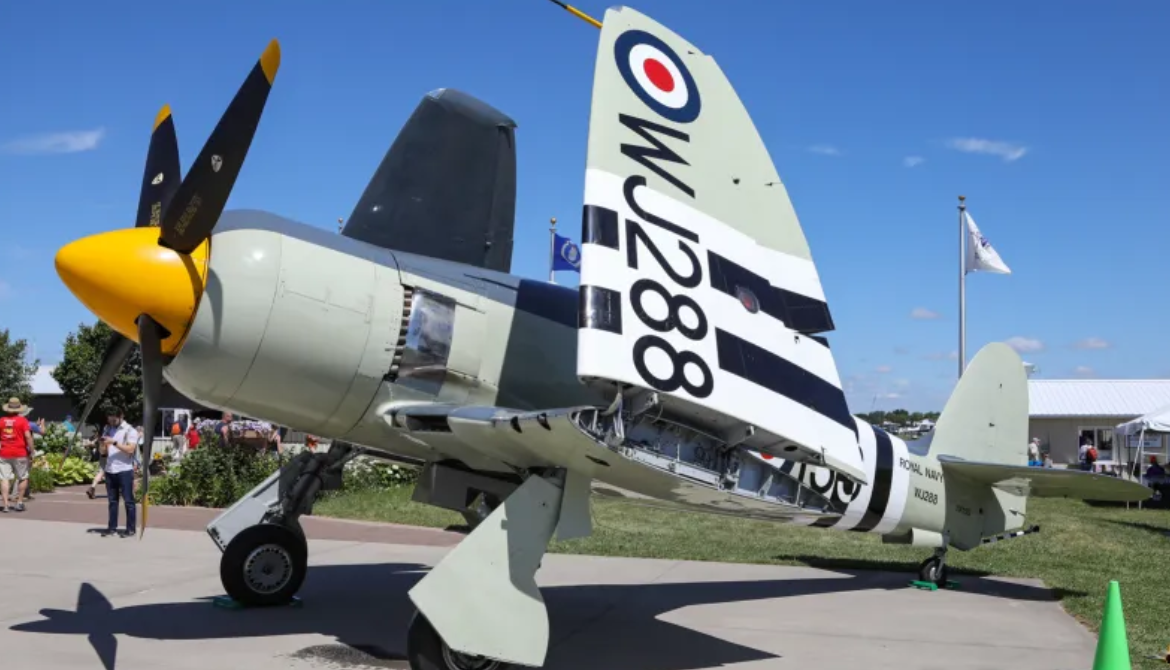
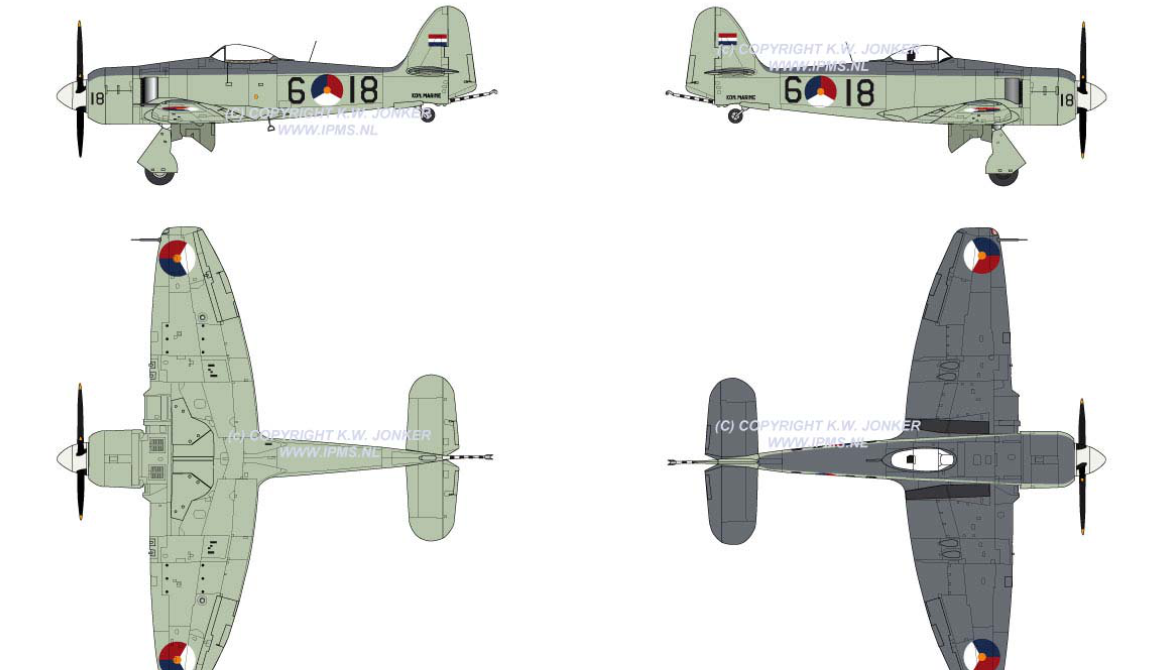
Hawker Siddeley Aircraft
Hawker Sea Fury Manufactured 1945–1955 First flight 1 September 1944 (Fury) 21 February 1945 (Sea Fury)
General Info
-
-
-
- Crew: 1
- Length: 34 ft 8 in (10.57 m)
- Wingspan: 38 ft 4.75 in (11.7031 m)
- Height: 15 ft 10.5 in (4.839 m)
- Wing area: 280 sq ft (26 m2)
-
-
Powerplant
-
-
- Empty weight: (4,191 kg)
- Gross weight: (5,602 kg)
- Max takeoff weight: (6,645 kg)
- Powerplant: 1 × Bristol Centaurus 18 18-cylinder air-cooled radial piston engine, 2,480 hp for take-off
- Propellers: 5-bladed constant-speed propeller
-
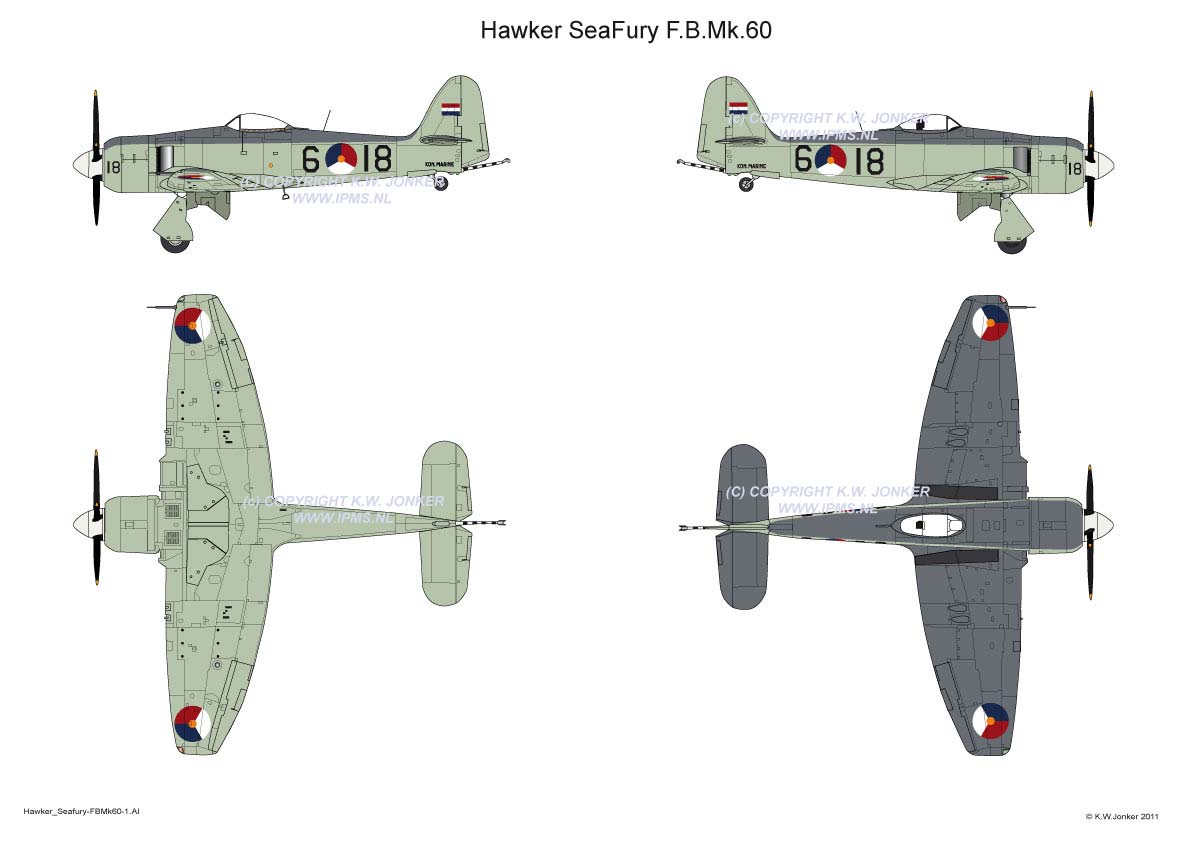
Performance
-
- Maximum speed: 460 mph (740 km/h, 400 kn) at 18,000 ft (5,500 m)
- Range: 780 mi (1,260 km, 680 nmi)
- Ferry range: 904 mi (1,455 km, 786 nmi) with two drop tanks
- Service ceiling: 35,800 ft (10,900 m)
- Rate of climb: 4,320 ft/min (21.9 m/s)
Armament
-
-
- Guns: 4 × 20 mm (0.79 in) Hispano Mk V autocannon, (145 rpg)
- Rockets: Up to 16 × 3 inch rockets
- Bombs: 2,000 lb (910 kg) of bombs
-
Links to Youtube & Others
The Hawker Siddeley HS 748 (formerly Avro HS 748) is a medium-sized turboprop airliner originally designed and initially produced by the British aircraft manufacturer Avro. It was the last aircraft to be developed by Avro prior to its absorption into Hawker Siddeley.

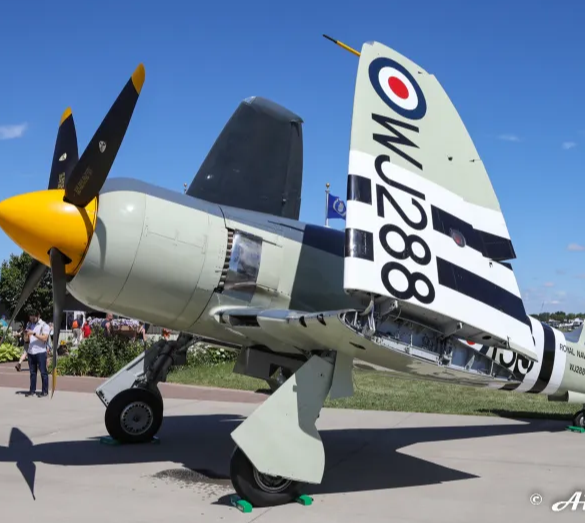
Hawker aircraft Ltd. Hawker Seafury FB.11
Another supportive feature of the 748 was a design decision to adopt straightforward systems and use proven components where realistically possible.
Youtube Link
During 1976, Eric Johnson, sales engineering manager of Hawker Siddeley Manchester, stated that the company was studying options for equipping a model of the HS 748 with turbofan engines.
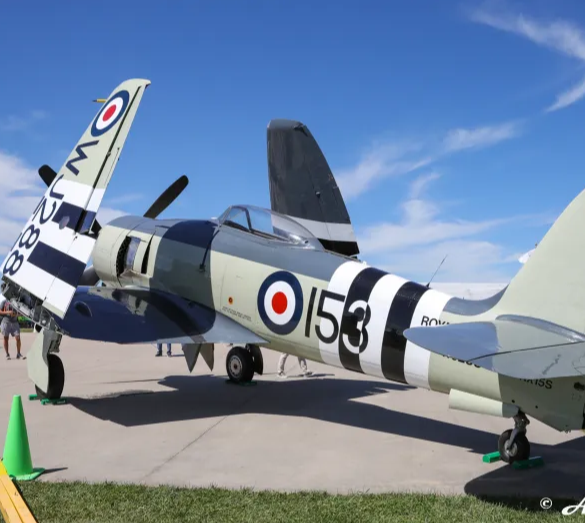
Read more in Hawker Siddeley Aircraft was a British aircraft manufacturer.


.svg.png)