
Nakajima Ki-43 Hayabusa (隼, "Peregrine falcon",
formal Japanese designation
Army Type 1 Fighter
Manufactured 1939–1945
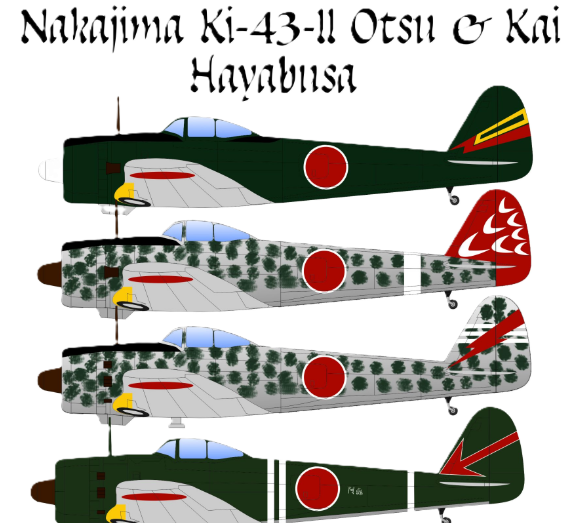

Nakajima Ki-43 Hayabusa (隼, "Peregrine falcon"),
 |
|
| General information | |
|---|---|
| Type | Fighter aircraft |
| National origin | Japan |
| Manufacturer | Nakajima Aircraft Company |
| Primary users | Imperial Japanese Army Air Service |
| Number built | 5,919 |
| History | |
| Manufactured | 1939–1945 |
| Introduction date | October 1941 |
| First flight | Early January 1939 |
| Retired |
|
|
|
|
|
|
|
|---|
.
History Nakajima Ki-43 Hayabusa (隼, "Peregrine falcon"),
formal Japanese designation Army Type 1 Fighter
Manufactured 1939–1945

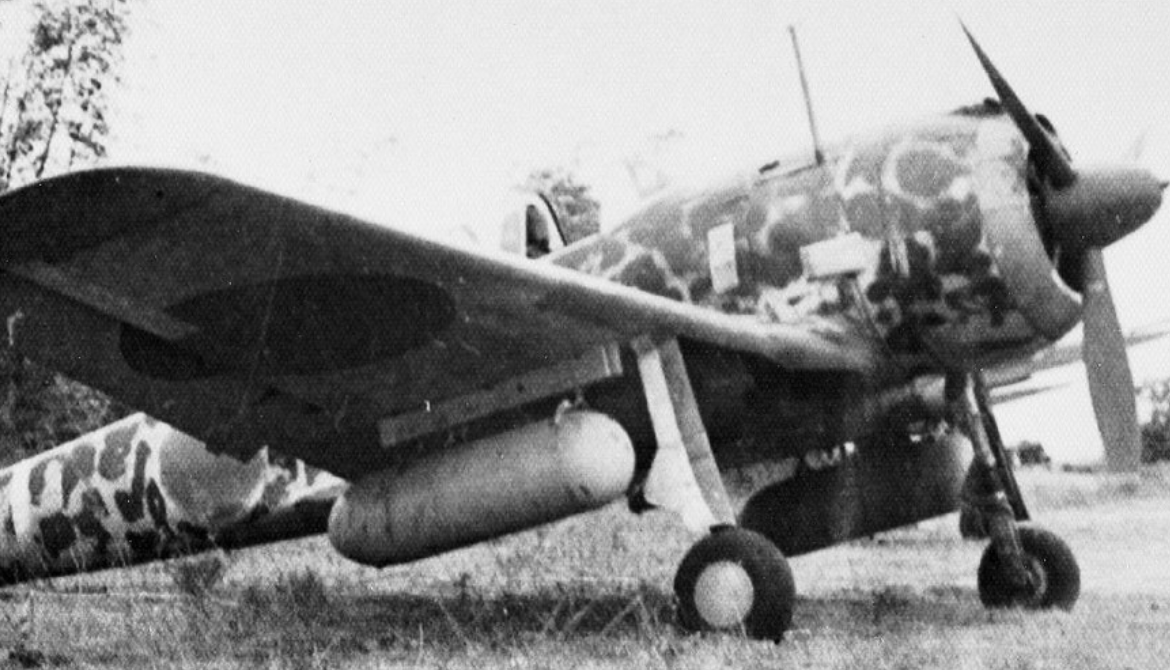
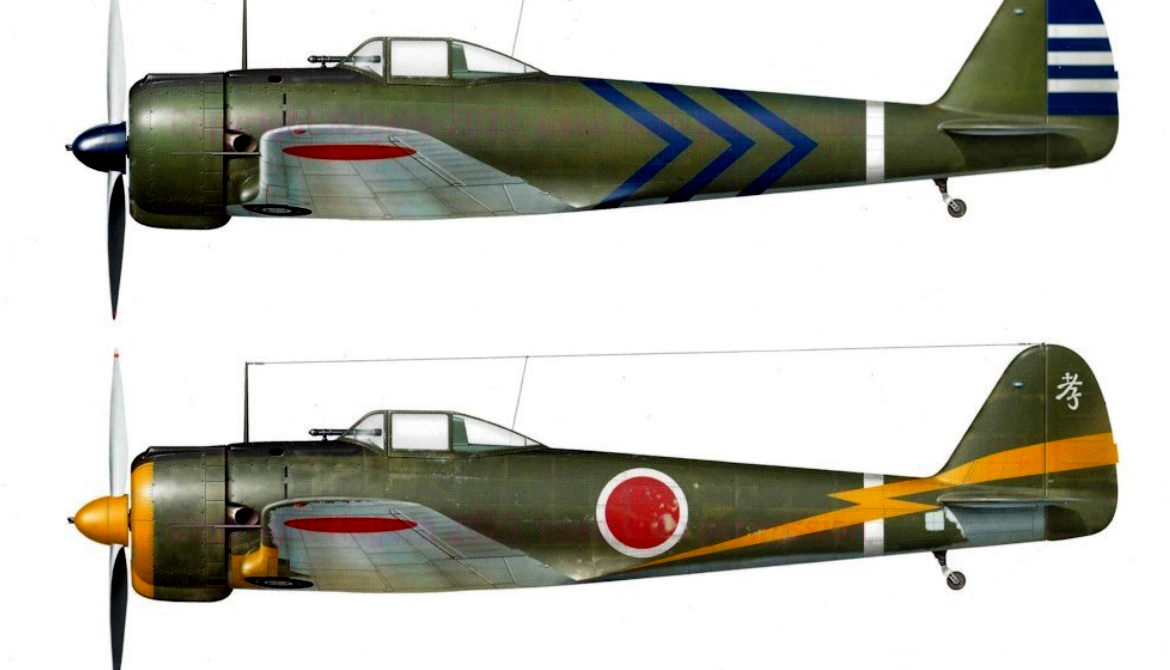
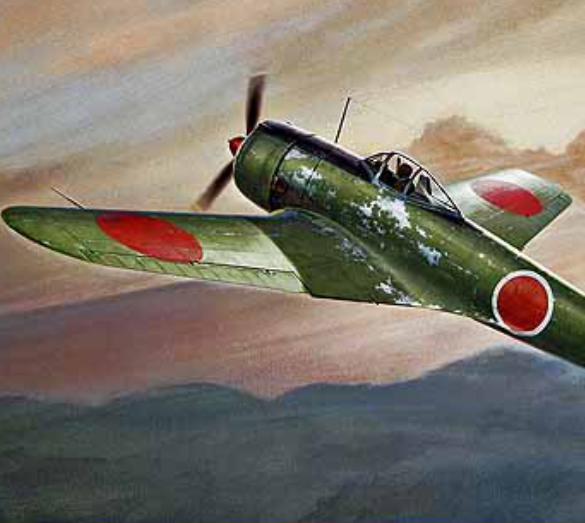
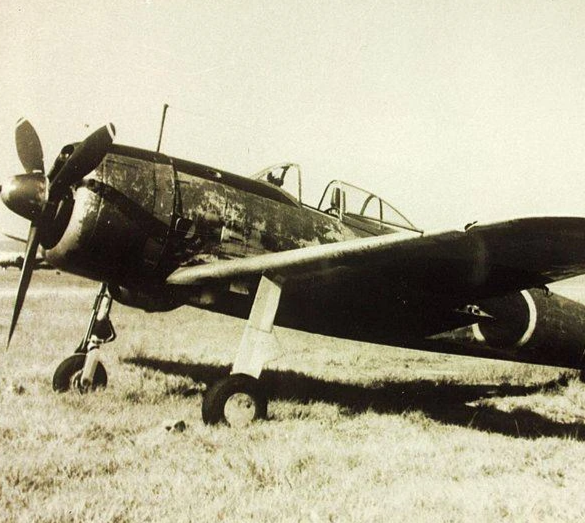
The Nakajima Ki-43 Hayabusa (隼, "Peregrine falcon"), formal Japanese designation Army Type 1 Fighter (一式戦闘機, Ichi-shiki sentōki) is a single-engine land-based tactical fighter used by the Imperial Japanese Army Air Service in World War II.
The Allied reporting name was "Oscar", but it was often called the "Army Zero" by American pilots because it bore a certain resemblance to the Mitsubishi A6M Zero, the Imperial Japanese Navy's counterpart to the Ki-43. Both aircraft had generally similar layout and lines, and also used essentially the same Nakajima Sakae radial engine, with similar round cowlings and bubble-type canopies (the Oscar's being distinctly smaller and having much less framing than the A6M). While relatively easy for a trained eye to tell apart with the "finer" lines of the Ki-43's fuselage – especially towards the tail – and more tapered wing planform; in the heat of battle, given the brief glimpses and distraction of combat, Allied aviators frequently made mistakes in enemy aircraft identification in the heat of a dogfight, reportedly having fought "Zeros" in areas where there were no Navy fighters.
-
Design and development
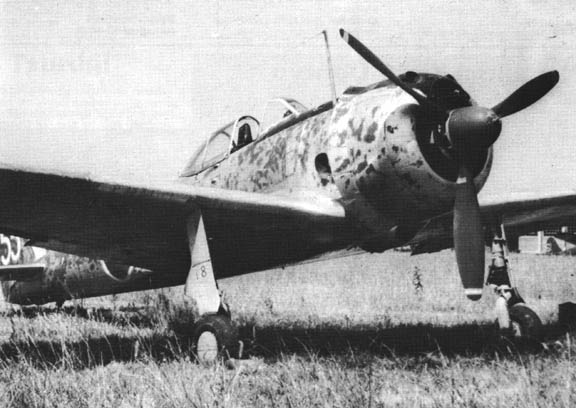
1st production model "68-1203" and 1st prototype "08-1201" (2016) The Ki-43 was designed by Hideo Itokawa, who would later become famous as a pioneer of Japanese rocketry. The Ki-43 prototype was produced in response to a December 1937 specification for an interceptor/escort fighter successor to the popular fixed-gear Nakajima Ki-27 'Nate'. The specification called for a top speed of 500 km/h (310 mph), a climb rate of 5,000 m (16,000 ft) in five minutes and a range of 800 km (500 mi). Maneuverability was to be at least as good as that of Ki-27.
When first flown in early January 1939, the Ki-43 prototype was a disappointment. Japanese test pilots complained that it was less maneuverable than the Ki-27 and not much faster. In order to solve these problems, Nakajima produced a series of progressively modified prototypes through 1939 and 1940. These changes involved a major weight saving program, a slimmer fuselage with the tail surfaces moved further aft and a new canopy. Crucially, the 11th prototype introduced the unique differential "butterfly" maneuvering Fowler flaps, which dramatically improved performance in tight turns. The 13th prototype combined all these changes, and tests of this aircraft resulted in an instruction for Nakajima to place the Ki-43 into production, the Ki-27 jigs being transferred to the Mansyu factory at Harbin in Japanese occupied Manchukuo.
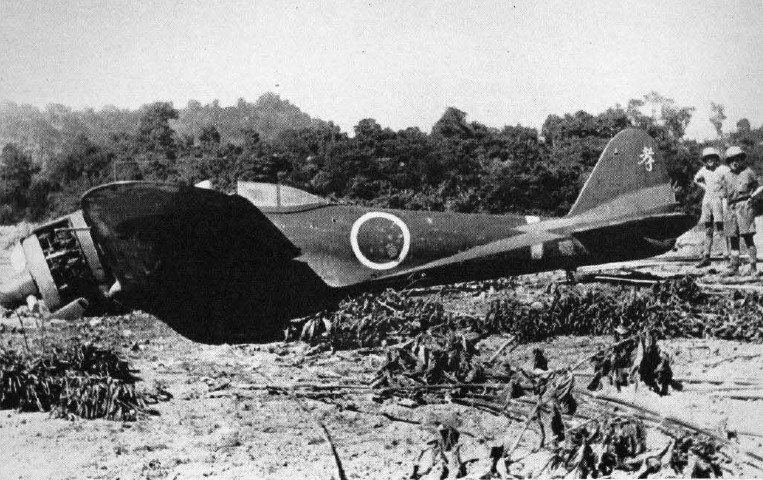
The C-2 prototype
.jpg)

0
KmCeiling
0
KmMAX RANGE
0
Km/hAircraft Speed
0
Max Crew
Photo Gallery
Nakajima Ki-43 Hayabusa (隼, "Peregrine falcon"),
formal Japanese designation Army Type 1 Fighter
Manufactured 1939–1945
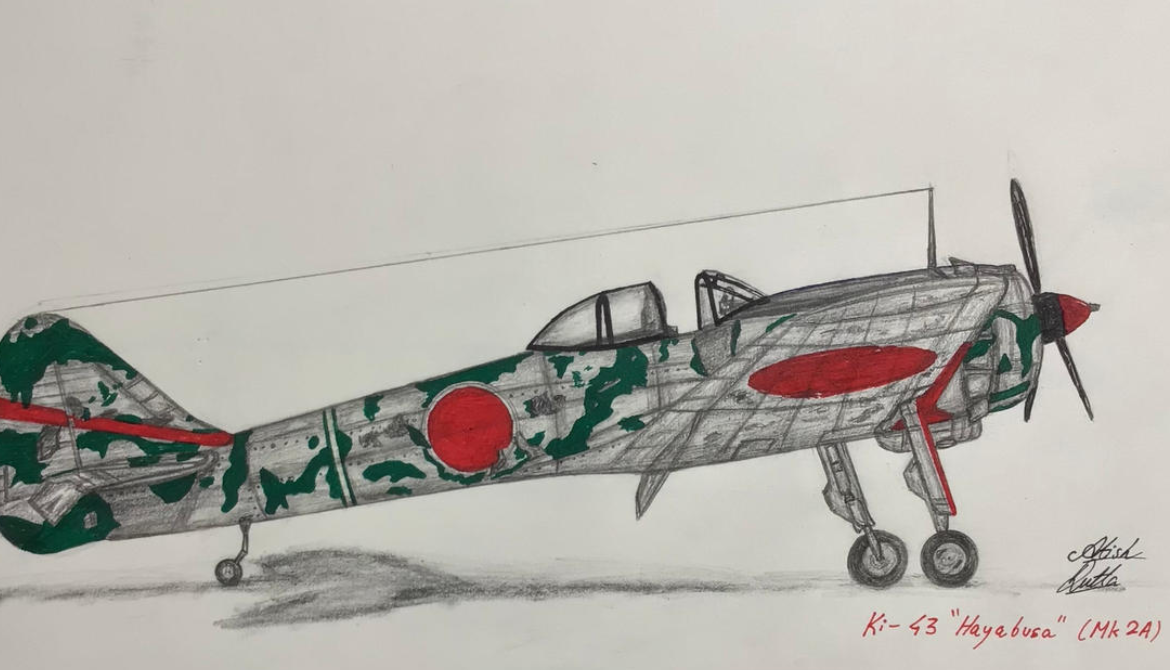
Nakajima Ki-43 Hayabusa (隼, "Peregrine falcon"), formal Japanese designation Army Type 1 Fighter Manufactured 1939–1945
General characteristics
- Crew: One
- Length: 8.92 m (29 ft 3 in)
- Wingspan: 10.84 m (35 ft 7 in)
- Height: 3.27 m (10 ft 9 in)
- Wing area: 21.4 m2 (230 sq ft)
-
Powerplant
- Empty weight: 1,910 kg (4,211 lb)
- Gross weight: 2,590 kg (5,710 lb)
- Max takeoff weight: 2,925 kg (6,449 lb)
- Fuel capacity: 550 L (120 imp gal) plus 2 × 200 L (53 US gal; 44 imp gal) drop tanks [39]
- Powerplant: 1 × Nakajima Ha-115 14-cylinder air-cooled radial piston engine, 970 kW (1,300 hp) for take-off
-
-
-
- 890 kW (1,200 hp) at 3,000 m (9,800 ft)
- 820 kW (1,100 hp) at 6,200 m (20,300 ft)
-
-

Specifications
- Maximum speed: 530 km/h at 4,000 m
- Cruise speed: 440 km/h
- Range: 1,760 km
- Ferry range: 3,200 km
- Service ceiling: 11,200 m
Links to Youtube & Others
The Ki-43 was the most widely used Army fighter, and equipped 30 sentai FR (flight regiment and 12 Dokuritsu Dai Shijugo Chutai ("Direct command fighter squadron" - independent squadrons not incorporated into sentais)[b]. The first unit equipped with the Ki 43-I was the 59th FR at Hankow Airfield, during June–August 1941 and began operational sorties over Hengyang on 29 October 1941. The second unit to re-equip with the new Aircraft was the 64th FR, from August to November 1941

Nakajima Ki-43 Hayabusa (隼, "Peregrine falcon")
After the war, some captured examples served in limited numbers in the French Air Force in Indochina against Viet Minh rebels
Youtube Link
Ki-43s abandoned in the Netherlands East Indies were taken over by the newly declared Indonesian government and put into service during the fight against Dutch forces
Read more in Kawasaki Heavy Industries
.
.png)
.png)