Fuji Heavy Industries
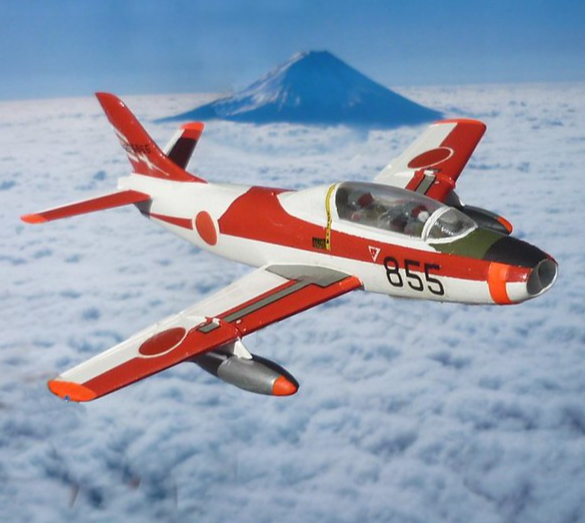
Fuji T-1 Hatsutaka
Manufactured 1962-1963
First flight January 1, 1958


General Info
Fuji Heavy Industries
Fuji Heavy Industries
Fuji T-1 Hatsutaka
|
|||||||||||||||||||
.jpg)
.
History Fuji Heavy Industries
Fuji T-1 Hatsutaka
Manufactured 1962-1963
First flight January 1, 1958
After World War II, Japanese aircraft industry was banned from research as well as the destruction of materials and equipment related to aircraft. In 1952, a partial ban on aircraft research was lifted, making it possible to develop Japan's own domestic jet aircraft. In the spring of 1954, the Defense Agency's plan to develop a training jet aircraft emerged, which later lead to the development of the T-1 training plane
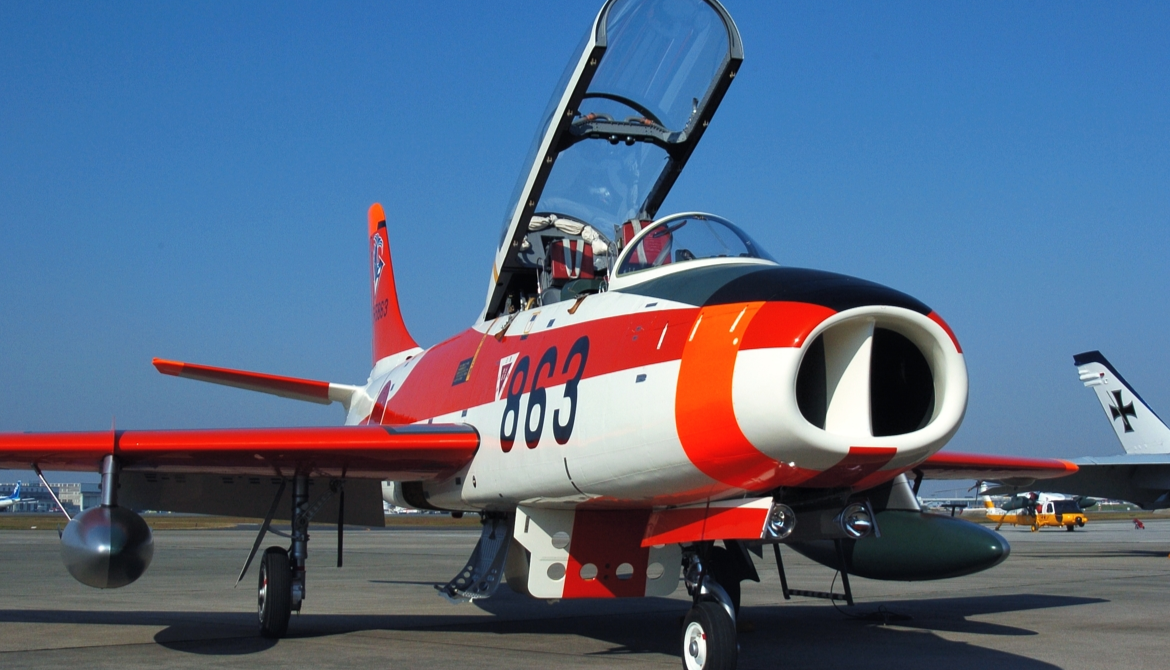
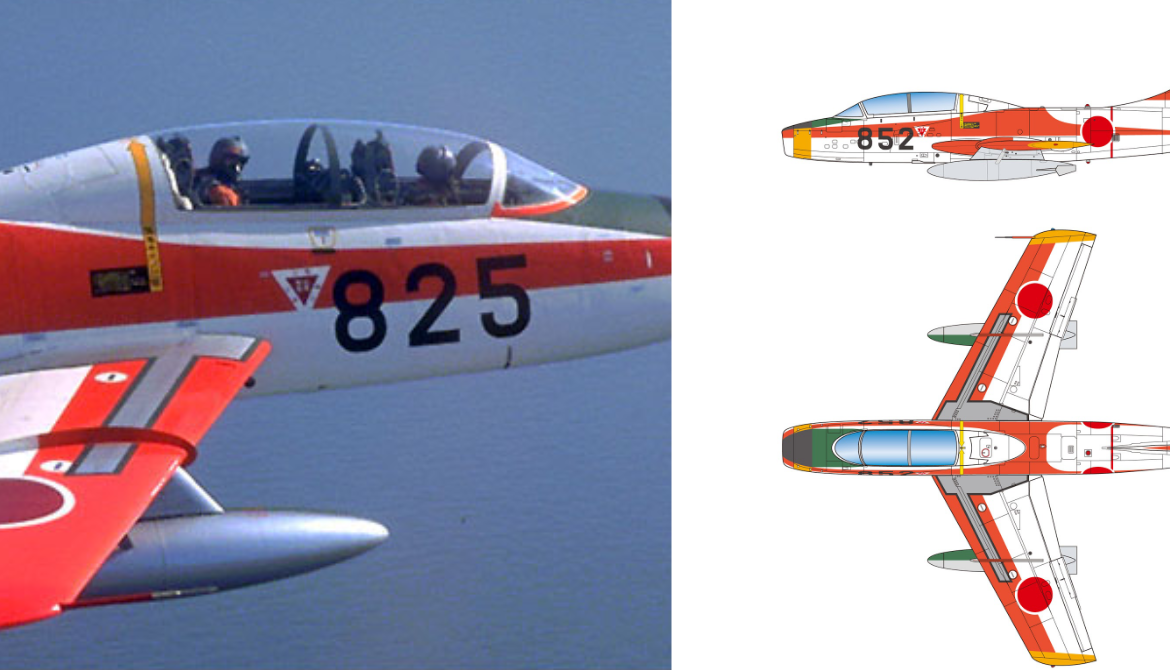
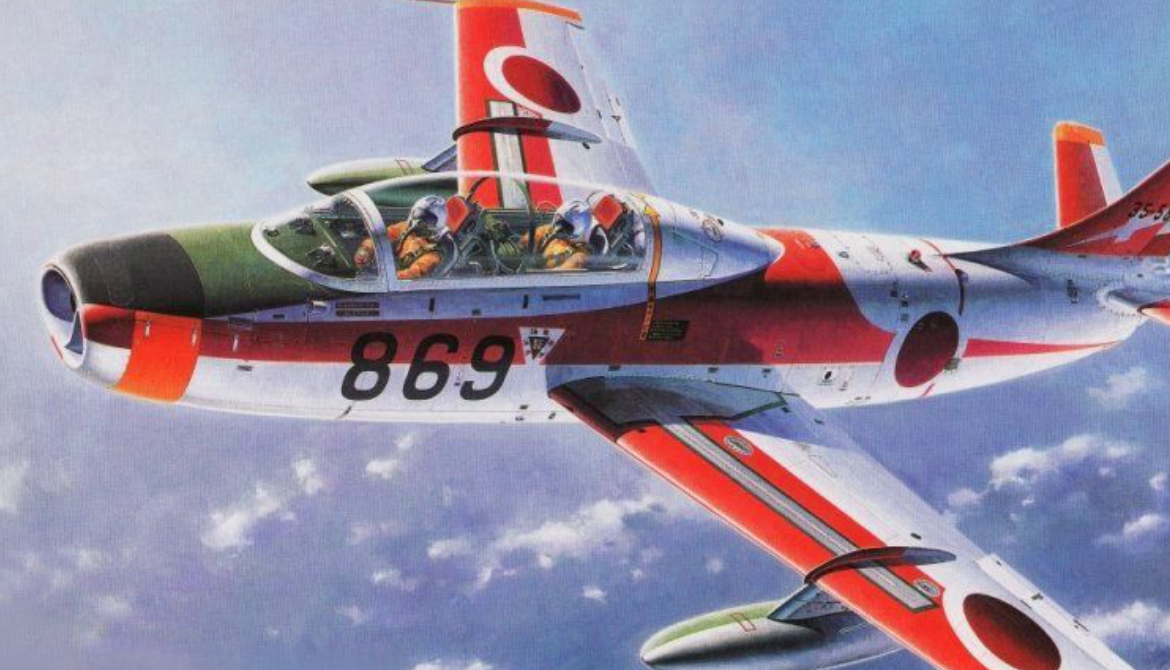
The Fuji T-1 Hatsutaka was Japan's first jet-powered trainer aircraft. Its first flight was in January 1958. A total of 66 T-1 planes were built. It was retired in March 2006.
Variants

_at_Tokorozawa_Aviation_Museum,_Saitama_prefecture,_Japan.jpg)
- T1F1
- T1F2
- Two prototypes, powered by 11,800 N (2,645 lbf) Bristol BOr.1 Orpheus engines
- T1F3
- Initial designation for the production T-1A, powered by 11,765.55 N (2,645 lbf) Bristol BOr.4 Orpheus engines.
- T-1A
- Powered by a 17.79 kN (4,000 lbf) Bristol Siddeley Orpheus Mk 805 turbojet engine. The original designation was T1F3. 46 built.
- T-1B
- Powered by an 11.77 kN (2,645 lbf) Ishikawajima-Harima J3-IHI-3 turbojet engine. 20 built.
- T-1C
- Converted to 13.72 kN (3,085 lbf) Ishikawajima-Harima J3-IHI-7 engines.
0
KmCeiling
0
KmCombat RANGE
0
Km/hAircraft Speed
0
Max Crew
Gallery
Photo Gallery
Photo Gallery
Fuji Heavy Industries
Fuji T-1 Hatsutaka
Manufactured 1962-1963
First flight January 1, 1958


Fuji Heavy Industries
Fuji T-1 Hatsutaka Manufactured 1962-1963
First flight January 1, 1958
Fuji Heavy Industries
Fuji Heavy Industries
Fuji T-1 Hatsutaka Manufactured 1962-1963
First flight January 1, 1958
1
General Info
-
-
- Crew: 2
- Length: 12.12 m (39 ft 9 in)
- Wingspan: 10.50 m (34 ft 5 in)
- Height: 4.08 m (13 ft 5 in)
- Wing area: 22.22 m2 (239.2 sq ft)
-
2
Powerplant
-
-
- Empty weight: 2,420 kg (5,335 lb)
- Gross weight: 4,150 kg (9,149 lb) clean
- Max takeoff weight: 5,000 kg (11,023 lb) (with external tanks)
- Fuel capacity: 1,400 L (308 Imp Gallons)
- Powerplant: 1 × Bristol Siddeley Orpheus Mk 805 turbojet, 18 kN (4,000 lbf) thrust
-

3
Performance
- Maximum speed: 925 km/h (575 mph, 499 kn) at 6,100 m (20,000 ft)
- Cruise speed: 620 km/h (390 mph, 330 kn) at 9,150 m (30,000 ft)
- Range: 1,300 km (810 mi, 700 nmi) (internal fuel)
- Ferry range: 1,950 km (1,210 mi, 1,050 nmi) (external tanks)
- Service ceiling: 14,400 m (47,200 ft)
4
Armament
-
- Guns: Provision for 1 × 12.7 mm Browning M53-2 machine gun in nose
- Hardpoints: 2 , with provisions to carry combinations of:
- Missiles: 2 × AIM-9 Sidewinder air-to-air missiles
- Bombs: 2 × 750 lb (340 kg) bombs
- Other: 2 × 455 L (100 Imp Gallon) drop tanks
-
-
-
Special Links Fuji Heavy Industries
Fuji T-1 Hatsutaka Manufactured 1962-1963
First flight January 1, 1958
First flight January 1, 1958
Links to Youtube & Others
The Fuji T-1 Hatsutaka was Japan's first jet-powered trainer aircraft. Its first flight was in January 1958. A total of 66 T-1 planes were built. It was retired in March 2006.

Fuji Heavy Industries
Fuji T-1 Hatsutaka
With the entry into service of its successor, the Kawasaki T-4, flight training with the T-1 was completed in December 2000.
Youtube Link
More than 200 T-1s were to be produced, but with the introduction of the Lockheed F-104J/DJ fighters,

Aircrafttotal : Aircraft
Read more in
Read more in
Fuji Heavy Industries
Fuji T-1 Hatsutaka Manufactured 1962-1963
First flight January 1, 1958
.